Marcelo Fernan Bridge stretches across the narrow strait separating Cebu and Mactan, two islands that play very different but equally vital roles in the Philippines. Cebu, the bustling urban heart of the Visayas, pulses with commerce, history, and the energy of a growing city, while Mactan, just a short distance away, offers a quieter rhythm—its shores lined with resorts, its skies filled with the arrivals and departures of the international airport. The bridge didn’t just connect two landmasses; it wove together two ways of life, making it possible to move between them in minutes rather than the hour or more it once took by ferry.
The structure itself is impossible to ignore. Rising from the water with two towering pylons, the cable-stayed design gives it a sleek, almost futuristic silhouette against the tropical sky. The main span stretches over four hundred meters, a feat of engineering that still turns heads, especially at night when the lights along the cables glow like a string of stars. It wasn’t built for beauty, though—its purpose was purely practical. By the late 1980s, the old bridge, a relic from the 1960s, had become a bottleneck, struggling under the weight of Cebu’s rapid growth. Construction began in 1997, and when the bridge opened two years later, it was more than just a new road; it was a promise of progress, a tangible sign that the country was moving forward after years of political and economic uncertainty.
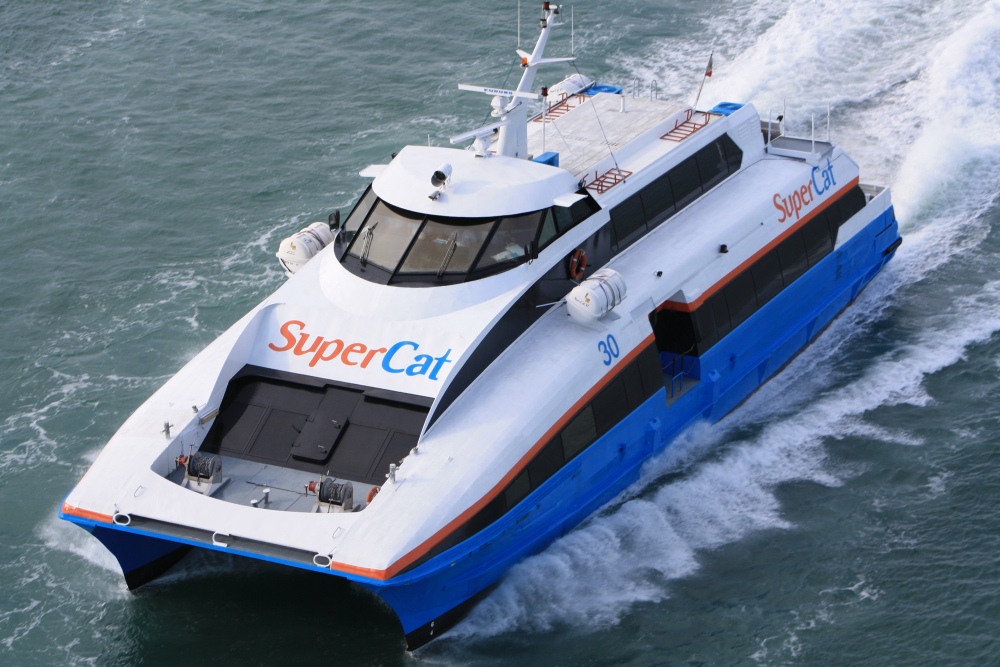
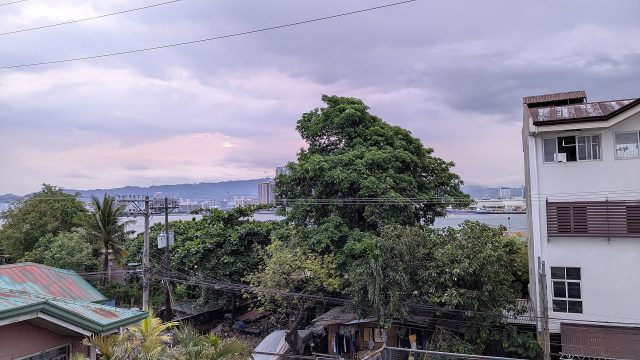
Driving across, you notice how the bridge frames the landscape. To the left, the skyline of Cebu City rises in a mix of modern high-rises and older, low-slung buildings, while to the right, Mactan’s coastline curves gently, dotted with the silhouettes of palm trees and resort roofs. On clear days, the horizon blurs into a haze of distant islands, and in the late afternoon, the water below turns gold as the sun sinks behind the mountains. It’s a view that locals have come to take for granted, though many still pause to watch the boats gliding beneath—small fishing vessels, ferries shuttling between islands, and the occasional outrigger canoe, its bamboo stabilizers cutting through the waves with effortless grace.
The bridge bears the name of Marcelo Fernan, a Cebuano who left a deep mark on the Philippines. A jurist and politician, Fernan served as Chief Justice of the Supreme Court and later as a senator, but his legacy extends beyond his legal career. He was a figure of integrity in a time when the country was still finding its footing after the Marcos era, and his name on the bridge feels like a quiet tribute to the idea that progress isn’t just about steel and concrete—it’s about the people who make it possible. There’s a certain symmetry to it, too; Fernan, who spent his life bridging divides in governance, now lends his name to a structure that bridges two worlds.
For visitors, the bridge is often just a means to an end—a quick route to the airport or the beaches of Mactan. But if you slow down, even just for a moment, it reveals itself as something more. Early mornings bring joggers and cyclists, their figures small against the vast expanse of the bridge. In the evenings, couples stroll along the pedestrian walkways, leaning against the railings to watch the lights of the city flicker to life. On weekends, families gather near the shore, letting their children chase the waves while the adults chat over snacks from nearby stalls. It’s a place where life unfolds in small, unscripted moments, the kind that don’t make it into guidebooks but somehow feel more real than anything else.
The bridge also tells a story about the Philippines in the 1990s, a time when the country was rebuilding. After decades of political turmoil and economic stagnation, there was a sense of cautious optimism, a belief that infrastructure could be the foundation for something better. The Marcelo Fernan Bridge was one of those projects—a gamble that paid off. It wasn’t just about easing traffic; it was about proving that the country could still dream big. International engineers were brought in, local workers labored for years, and when it finally opened, it wasn’t just Cebu and Mactan that were connected, but the past and the future.
Today, the bridge is so woven into daily life that most people barely notice it. Commuters curse the traffic during rush hour, delivery trucks rumble across at all hours, and fishermen on the shore below cast their lines as if the massive structure above them doesn’t exist. But every now and then, something reminds you of its presence—the way the wind howls through the cables on stormy days, or the sudden hush that falls over the water when a ship passes beneath. On holidays, fireworks explode over the strait, their reflections dancing on the surface, turning the bridge into a temporary stage for celebration. And then, just as quickly, it fades back into the background, just another part of the landscape.
If you ever find yourself in Cebu, take the time to cross it—not just once, but at different times of day. Drive over it in the early morning, when the air is still cool and the city is just waking up. Walk along the pedestrian path in the late afternoon, when the light softens and the water below shimmers. Or stand on the shore at night, watching the headlights of cars streak across the bridge like a river of stars. It’s not the kind of place that demands your attention, but if you let it, it will show you something about the Philippines that’s harder to find in the usual tourist spots—the quiet, unassuming way that progress and tradition, movement and stillness, all manage to coexist.