The Shrine of the Book holds the Dead Sea Scrolls. These fragments of parchment, found in Qumran’s caves in the mid-20th century, changed how we see early Judaism and Christianity’s beginnings. The building itself isn’t about grand displays. It’s about the scrolls—written over two thousand years ago—and the moment they were uncovered.
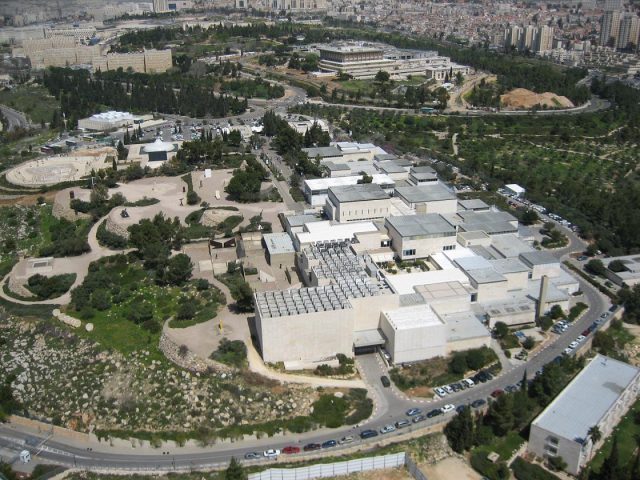
The architects, Armand Bartos and Frederick Kiesler, finished the structure in 1965. They avoided a typical museum design. Instead, they used light, shadow, and symbolism. The white dome, shaped like the lids of the jars that once stored the scrolls, rises from the ground. Below it, a sloping walkway leads into an underground hall where the air is cool and the light is soft.
The Great Isaiah Scroll lies at the center, under glass. It’s the most complete of the Dead Sea texts, with all 66 chapters of Isaiah’s book. The parchment is darkened, covered in tiny Hebrew letters. A facsimile nearby shows translations in modern Hebrew and English. But even without them, the scroll feels present. These words were written by someone long dead, yet they ask the same questions about faith and meaning that people still ask.
The architecture tells a story. The white dome stands against a black basalt wall, a reference to the dark caves of Qumran. Water trickles down the wall into a pool. The space isn’t made for crowds or quick visits. It’s made for stillness, for absorbing the weight of discovery.
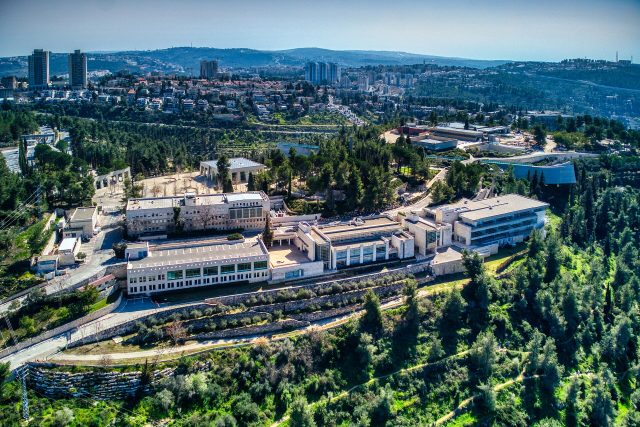
Part of the Israel Museum, the Shrine of the Book is different from the rest. The galleries elsewhere are bright and open. This space is small, quiet. The humidity is controlled. The light is filtered. Everything is done to protect the scrolls while keeping their mystery intact. Even the glass over the manuscripts blocks harmful light to preserve the parchment.
The Dead Sea Scrolls show a world from over two thousand years ago. Many were written by the Essenes, a Jewish sect living near the Dead Sea. Their texts include biblical books, rules for their community, and visions of the end times. They reveal the religious ideas that shaped Judaism and Christianity. Reading them feels like listening to a conversation from another time, one that still matters today.
History is fragile. The scrolls survived in the dry desert for centuries. Now, they’re carefully protected. Originals are only displayed for short periods before being replaced with copies. They rest in climate-controlled storage. The past isn’t just something to study—it’s something to guard.
Outside, olive trees and sculptures surround the shrine. It’s a place to sit, to look at the dome, to think about the generations since those words were written. Jerusalem is full of history—empires, battles, layers of the past. Here, history feels quieter. It’s about ideas that endure, passed down through time.
The Shrine of the Book isn’t just a museum. It connects us to the past.