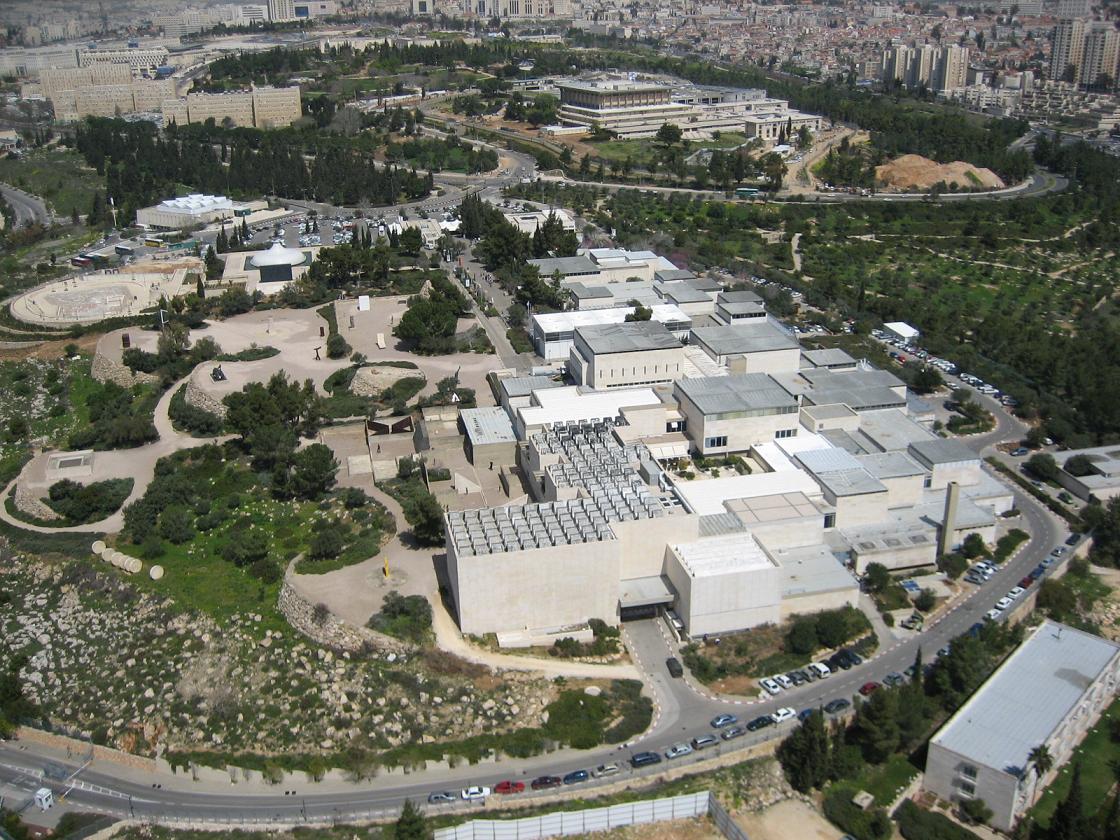
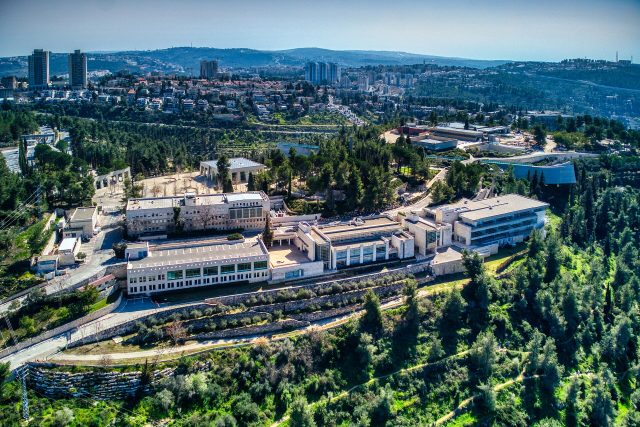
The Israel Museum in Jerusalem is one of those rare places where history doesn’t just sit behind glass—it feels alive, breathing through every exhibit. Established in 1965, it has grown into the country’s largest cultural institution, bringing together archaeology, art, and artifacts that span millennia. The museum sits on a hill in West Jerusalem, its white stone buildings blending seamlessly with the landscape. The architecture itself is worth noticing, designed in a clean, modern style that feels both timeless and unobtrusive, as if it has always been part of the city.
At the heart of the museum is the Shrine of the Book, a striking dome-shaped structure that houses the Dead Sea Scrolls, some of the oldest biblical manuscripts in existence. The building’s design is deliberate—its curved roof resembles the lid of an ancient jar, a nod to how the scrolls were once stored. Inside, the dim lighting and careful arrangement of the fragile parchments create an almost sacred atmosphere. Visitors often find themselves lingering longer than planned, drawn into the weight of words written over two thousand years ago.
The archaeological wing is a journey through time, where artifacts from prehistoric settlements to the Ottoman era tell the story of the region. Everyday objects, weapons, jewelry, and religious items are displayed alongside larger reconstructions, like the detailed model of Jerusalem during the Second Temple period. This isn’t just a miniature city—it’s a glimpse into the past, showing how Jerusalem looked in the first century CE, when the Temple of Herod still stood at its center. The model doesn’t just depict buildings; it captures the scale and significance of a city that was once the heart of religious and cultural life.
The museum’s art collection is equally impressive, featuring works by both Israeli and international artists. Paintings by Impressionists hang near contemporary pieces, while a dedicated section explores Jewish art across different eras. The 20th-century gallery is particularly compelling, where works by Marc Chagall and Pablo Picasso share space with local artists whose creations reflect the complexities of the region’s history. The museum doesn’t just display art—it shows how creativity intersects with identity, politics, and tradition.
Outside, the sculpture garden offers a quiet contrast to the indoor galleries. Works by Henry Moore, Auguste Rodin, and other sculptors are scattered across the landscape, their forms complementing the natural surroundings. The garden is designed to feel like an extension of the museum rather than a separate space, with paths winding between trees and open lawns. On warm days, it’s an ideal place to pause, away from the crowds, where the only sounds are the rustling of leaves and the occasional murmur of visitors.
What makes the Israel Museum special is its ability to feel personal. Some come for the ancient artifacts, others for the modern art, and many simply for the atmosphere—a place where history and creativity coexist without pressure. There are no rigid tours or strict itineraries; visitors can wander at their own pace, revisiting favorite pieces or sitting on a bench in the garden to reflect. The museum doesn’t demand attention; it invites curiosity.
The institution is far from static. Temporary exhibitions rotate regularly, bringing in new perspectives, while lectures and workshops keep the space dynamic. It’s a place that evolves alongside the society it serves, ensuring that even repeat visitors will always find something unfamiliar. Whether it’s a new exhibit, a detail previously overlooked, or simply a different mood, each visit offers a fresh experience.
Jerusalem is a city where countless narratives intersect, and the Israel Museum reflects that complexity. There’s no single story here, no imposed interpretation—just layers of history presented for visitors to explore. That openness is what makes the museum so compelling. It doesn’t provide answers; it encourages questions, dialogue, and personal connection. For anyone interested in the past and present of this region, it’s a place that lingers in the mind long after the visit ends.