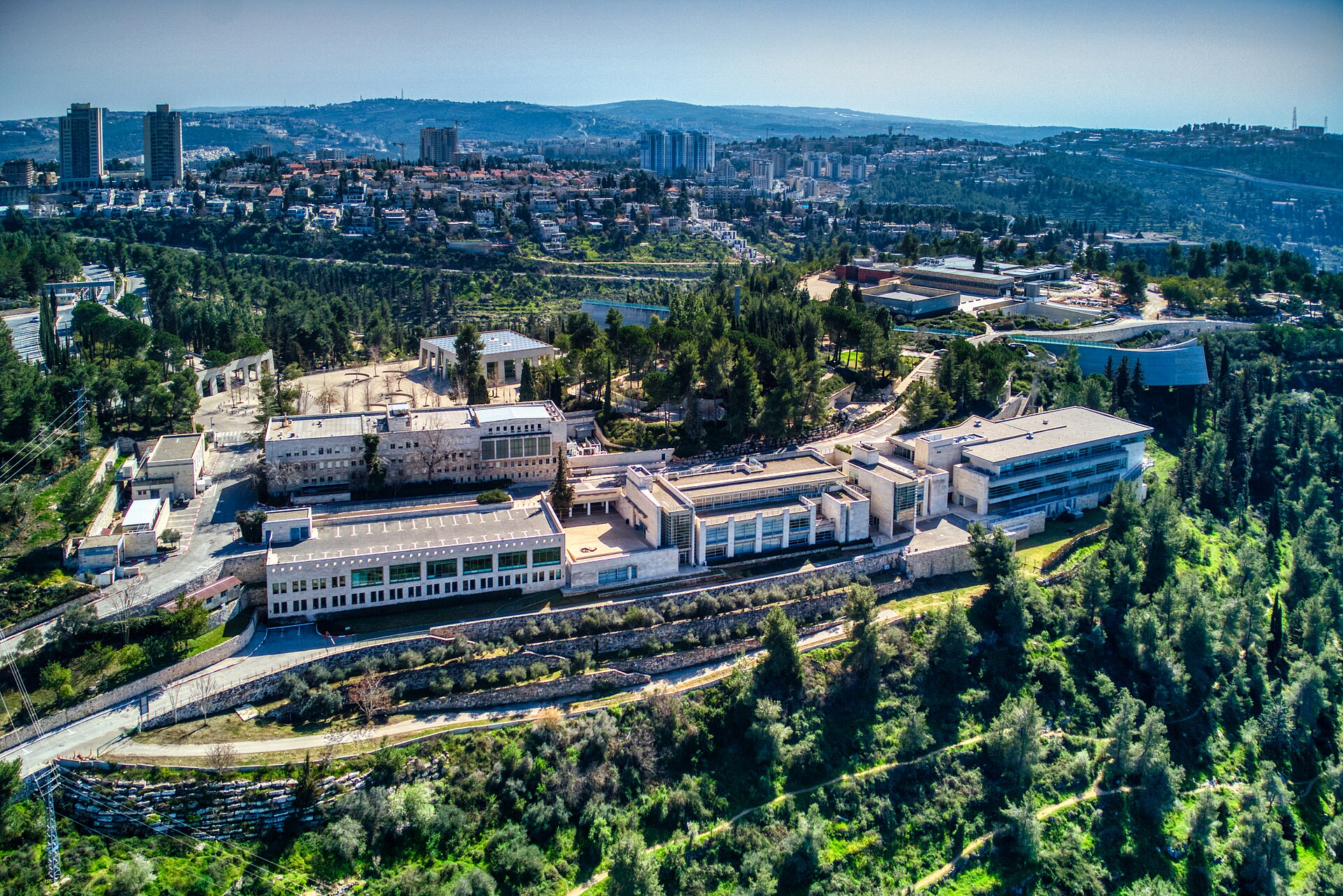
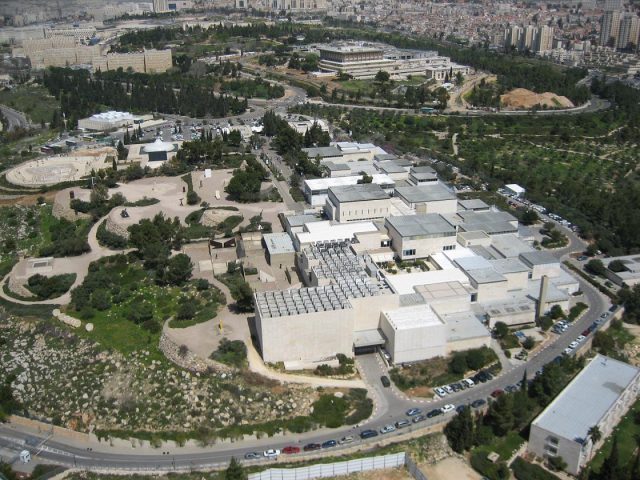
Yad Vashem sits on the western slope of Mount Herzl, a quiet corner of Jerusalem where the city’s usual bustle gives way to rolling hills and clusters of pine and olive trees. The name itself, meaning "A Memorial and a Name," hints at its purpose: to restore identity to those who were systematically erased. This isn’t just a museum about numbers or historical events—it’s a place where the individual stories of six million people are preserved, where fragments of lives are pieced together so they won’t be forgotten.
The idea for Yad Vashem took shape in the aftermath of World War II, when the full scale of the Holocaust became undeniable. Survivors and families of the victims needed a way to honor the dead that went beyond statistics. In 1953, Israel’s Knesset passed a law establishing the memorial, and over the decades, it has grown into a vast archive of personal testimonies, photographs, letters, and artifacts. The goal was never to create a sterile historical record but to ensure that each victim’s humanity remained visible.
The architecture of the main museum building is designed to guide visitors through an emotional journey. A long, triangular corridor cuts through the hillside, its narrow walls lined with exhibits that unfold like chapters of a story. The dim lighting forces you to focus on the details: a child’s shoe, a crumpled passport, a family photograph taken before the war. There’s no background noise, no distractions—just the weight of what you’re seeing. At the end of the corridor, the space opens up to a panoramic view of Jerusalem, a stark contrast to the darkness inside. It’s a deliberate choice, a reminder that life continues, even after unimaginable loss.
One of the most haunting spaces in Yad Vashem is the Children’s Memorial. Built underground, it’s a cavern of darkness illuminated only by tiny flames, each one representing a child who perished in the Holocaust. The reflections of the candles stretch endlessly in the mirrors, creating the illusion of an infinite void. A voice reads out names, ages, and birthplaces—some as young as two or three years old. The effect is overwhelming. There’s no way to process the scale of it all, only to sit with the grief of what was lost.
Beyond the main museum, the complex includes several other memorials. The Avenue of the Righteous Among the Nations honors non-Jews who risked their lives to save Jews during the war. Each tree planted along the path bears a plaque with a name and a story—some well-known, others obscure. Another memorial lists the names of Jewish communities across Europe that were wiped out, their existence reduced to engraved stone. These spaces aren’t just historical markers; they’re acts of defiance against oblivion.
Yad Vashem isn’t a place you visit lightly. There’s no gift shop selling trinkets, no café with cheerful music. The atmosphere is one of quiet reflection, even when the grounds are full. People move slowly, speaking in hushed tones, pausing often to read or listen. The surrounding gardens, with their olive trees and benches, offer a place to sit and absorb what you’ve seen. Some visitors spend hours here, returning to certain exhibits, jotting down names, or simply staring into the distance. The staff and volunteers—many of them descendants of survivors—are there not just to guide but to bear witness, to share what they know.
The memorial’s significance extends far beyond Israel. It serves as a global center for Holocaust education and research, hosting scholars, survivors, and students from around the world. School groups from different countries come here to learn about the Holocaust not through textbooks but through personal accounts and artifacts. The archives hold millions of documents, and the work of collecting testimonies continues, ensuring that new generations understand the consequences of hatred and indifference. Yad Vashem isn’t just about the past; it’s a warning about what happens when societies allow prejudice to go unchecked.
Visiting Yad Vashem is an experience that stays with you. It’s not the kind of place you leave feeling uplifted, but it’s the kind of place that makes you think differently about history, about memory, and about what it means to be human. There’s no way to prepare for the weight of it—no amount of reading or prior knowledge can soften the impact of standing in a room filled with the names of children who were murdered. But that’s the point. This isn’t a museum meant to be consumed and forgotten. It’s a place that demands something from you, that asks you to carry its lessons forward.
Jerusalem is a city layered with meaning, where every stone seems to hold a story. But Yad Vashem is different. It doesn’t offer solace or answers. Instead, it presents a challenge: to remember, to mourn, and to ensure that the past isn’t repeated. The silence here isn’t empty—it’s full of voices that refuse to be silenced. And in that silence, you realize that memory isn’t just about looking back. It’s about how we choose to live now.