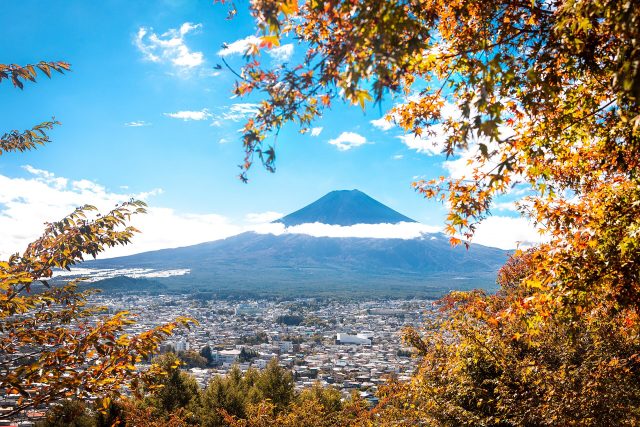
Kitaguchi Sengen Shrine sits at the northern gateway of Mount Fuji, where the mountain’s presence feels almost tangible. It’s not just a place of worship but a threshold between the ordinary world and the sacred, where the weight of history and the quiet power of nature merge. The shrine is dedicated to Konohanasakuya-hime, the Shinto deity of volcanoes and blossoming life, whose legend is inseparably tied to Fuji. In Japanese mythology, she embodies both fragility and strength—her name means "the princess who makes the trees bloom," yet she is also the guardian of a mountain that has shaped the lives and beliefs of generations. For centuries, Fuji wasn’t just a landmark but a living entity, and this shrine has been a place where people came to seek its blessing before setting foot on its slopes.
The architecture of Kitaguchi Sengen is unassuming, yet it carries a quiet dignity that feels entirely at home in its surroundings. The main hall, built in the *shoin-zukuri* style, blends seamlessly with the cedar and cypress trees that surround it. Its low, sweeping roofs, covered in layers of hinoki bark, have weathered to a deep, earthy hue over time, while the wooden pillars and wide verandas offer a sense of shelter. Inside, the space is dimly lit, with soft light filtering through the *shoji* screens, casting gentle patterns on the wooden floors. There are no grand decorations—just the altar, a few flickering candles, and the occasional rustle of paper as visitors leave their offerings. The simplicity isn’t austere; it feels deliberate, as if every element exists to remind you that this is a place of reverence, not spectacle.
The shrine’s history stretches back over a thousand years, to a time when Fuji was still a remote and mysterious force. The first records of a sacred site here date to the 8th century, when Buddhism and Shinto were still intertwined, and mountains were believed to be the dwelling places of *kami*, the spirits that animate the natural world. By the Heian period, the cult of Fuji had grown stronger, and Kitaguchi Sengen became one of the most important starting points for pilgrims embarking on the arduous climb to the summit. The journey wasn’t just physical—it was a spiritual trial, a way to purify oneself before standing in the presence of the divine. The shrine served as a final sanctuary, where travelers could pray for safe passage and leave behind the worries of the world below.
During the Edo period, when pilgrimage to Fuji became a mass phenomenon, the shrine expanded to accommodate the growing number of visitors. A small settlement sprang up around it, offering food, lodging, and supplies for those preparing to ascend. Monks performed purification rituals, and vendors sold protective charms and wooden staffs to aid climbers on their way. Even after the Meiji Restoration, when Shinto was forcibly separated from Buddhism and many temples faced persecution, Kitaguchi Sengen endured. Perhaps because Fuji’s sacred status transcended political changes—it was, and remains, a symbol that belongs to the people, not the state.
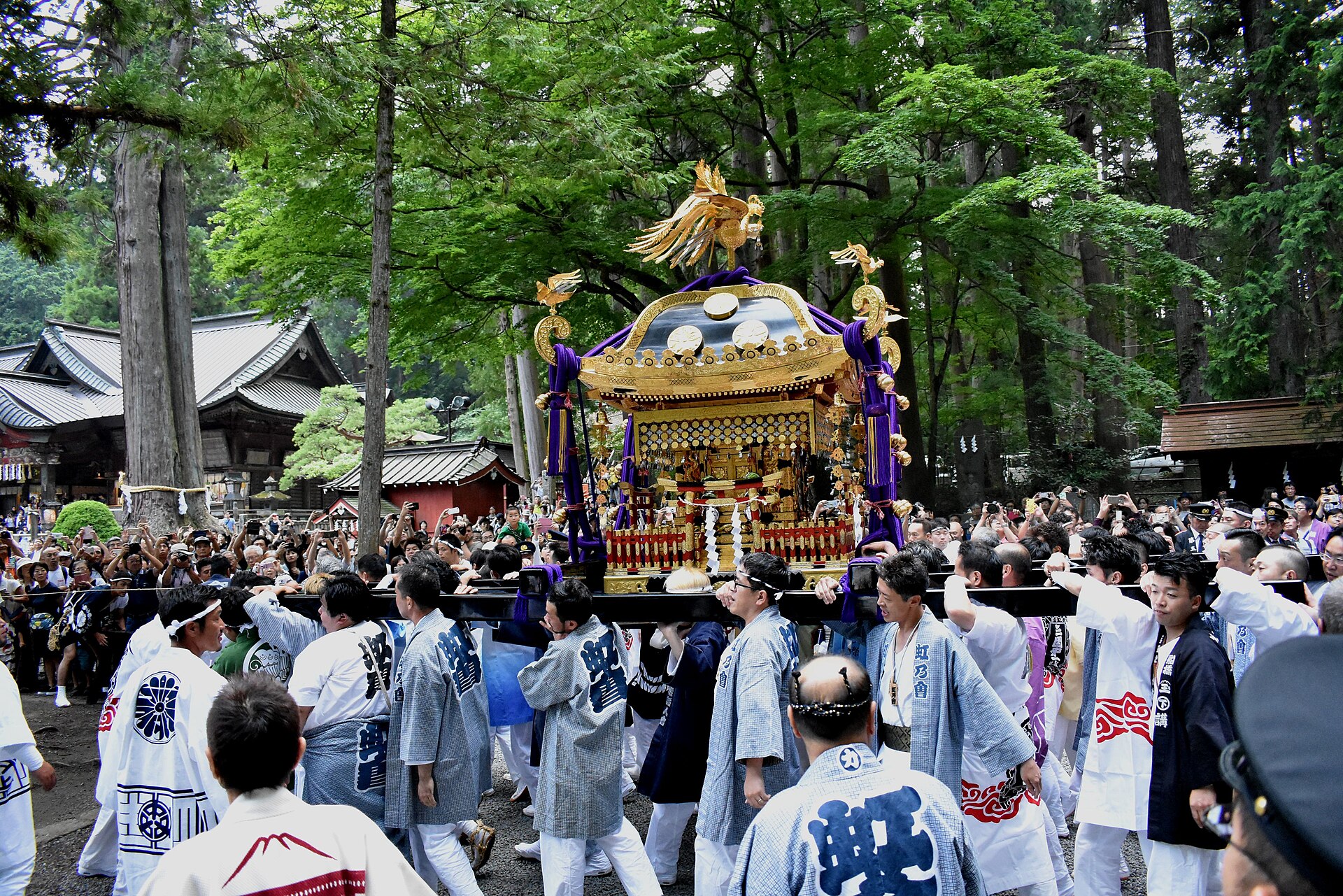
Today, the shrine is still very much alive, a place where tradition hasn’t been reduced to mere performance. In the early mornings, you might see priests conducting rituals, their voices low and rhythmic as they chant prayers. On festival days, the air fills with the sound of drums and the scent of incense as portable shrines, or *mikoshi*, are carried through the streets. The most vibrant time is during the Yoshida Fire Festival in late August, when the town of Fujiyoshida erupts in celebration. Lanterns glow along the roads, dancers in traditional costumes move to the beat of taiko drums, and the shrine becomes the heart of the festivities. For a few days, the boundary between the sacred and the everyday blurs, and even those who don’t consider themselves religious find themselves drawn into the rhythm of the event.
Beyond the shrine’s gates, the old quarter of Fujiyoshida feels like a place where time moves at a different pace. Narrow lanes wind between wooden houses with lattice windows, and the scent of grilled *mochi* drifts from small shops. Some of these buildings have stood for generations, their facades worn smooth by decades of wind and rain. Here, you can still find artisans selling handmade paper charms, or *ema*, where visitors write their wishes—some in careful kanji, others in hurried English or Korean. The tablets hang in clusters, swaying slightly in the breeze, a reminder that people from all over the world come here seeking the same thing: a moment of connection, a sense of something greater than themselves.
For many, Kitaguchi Sengen is an introduction to the rituals of Shinto, though it’s far less formal than some of Japan’s more famous shrines. There’s no strict protocol, but there is a quiet etiquette. Before approaching the altar, it’s customary to bow twice, clap twice to summon the *kami*, and bow once more. You can buy an *omamori*, a small amulet meant to offer protection, or tie a strip of cloth to a sacred rope, each knot representing a prayer. The act of writing a wish on an *ema* and hanging it among hundreds of others can feel strangely intimate—like adding your voice to a chorus that has been singing for centuries.
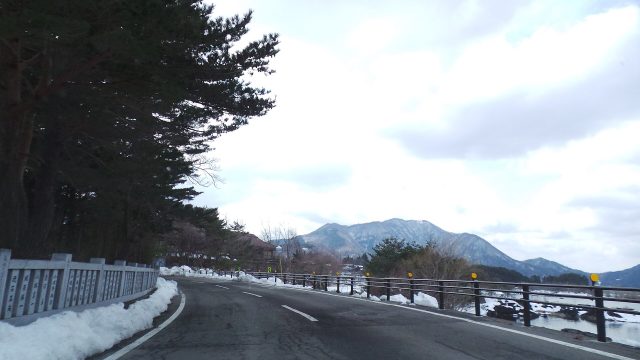
The shrine is open year-round, but the experience changes with the seasons. In late spring, when the air is cool and the mountain’s snowcap is still visible, the light has a crisp clarity that makes Fuji seem almost close enough to touch. Autumn brings a different kind of stillness, with the trees around the shrine turning shades of gold and red. Summer is the busiest time, as climbers gather before their ascent, their voices mingling with the sound of wind chimes. Winter, though, is when the shrine feels most solitary. The paths are quiet, the air is sharp, and the mountain looms in the distance, its slopes dusted with snow. It’s a time for reflection, when the absence of crowds makes the space feel even more sacred.
What lingers after a visit to Kitaguchi Sengen isn’t just the memory of a place, but the sense of having stepped into a story much larger than yourself. It’s a reminder that Fuji has always been more than a mountain—it’s a symbol, a challenge, a source of awe. The shrine doesn’t demand reverence; it simply offers a space where reverence can happen naturally. Whether you’re a pilgrim preparing for a climb, a traveler seeking a moment of quiet, or someone who simply wandered in from the street, the shrine meets you where you are. And in a country where the past and present are often tightly woven together, that might be its greatest gift.