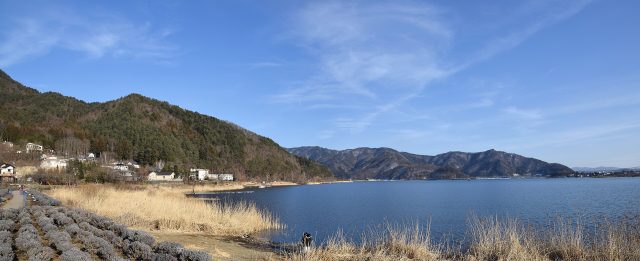
Lake Kawaguchiko is the most accessible of the five lakes that surround Mount Fuji, and perhaps the liveliest. Unlike its quieter neighbors—Motosu with its untouched stillness, or Sai and Shōji with their wild landscapes—Kawaguchiko offers something different: convenience, a well-developed infrastructure, and some of the best views of Fuji without the need for long hikes or remote detours. It’s a place where the mountain feels close enough to touch, yet still retains its grandeur.
The lake formed nearly a thousand years ago when volcanic eruptions sent rivers of lava cascading down Fuji’s slopes, damming a river and creating a natural basin. Over time, water filled the depression, turning it into the vast, reflective surface it is today. On clear days, the lake mirrors Fuji’s perfect cone so flawlessly that it’s hard to tell where the mountain ends and its reflection begins. The water is cold and clear, the shores gentle and welcoming, making it an ideal spot for leisurely walks or picnics. Many visitors arrive before dawn to watch the sunrise, when the first light spills over the horizon and paints the mountain in soft hues—a sight worth waking up early for.
A nearly twenty-kilometer walking trail circles the lake, easy enough for families with children or casual hikers. Along the way, small beaches offer places to rest, and several viewpoints provide unobstructed vistas of Fuji. The most famous of these is on the northern shore, where the mountain looms large, its slopes sweeping down to meet the water. On windy days, the lake’s surface ripples, breaking Fuji’s reflection into countless shimmering fragments—a fleeting, almost surreal effect that feels like something out of a dream.
Kawaguchiko wasn’t always a tourist destination. In the early 20th century, it was a quiet retreat favored by artists and writers drawn to its serene beauty. Japanese printmakers, in particular, immortalized the lake in ukiyo-e woodblock prints, often depicting Fuji rising above its waters. These images helped spread Kawaguchiko’s fame, turning it into one of the region’s most recognizable landmarks. Even now, despite the hotels and souvenir shops that line its shores, the lake hasn’t lost its charm. Perhaps because Fuji itself remains the undisputed star of the scene, its presence so overwhelming that everything else fades into the background.
The small towns along the lakeshore still carry traces of old Japan. Narrow streets wind past wooden houses with tiled roofs, tiny cafés serve local dishes, and shops sell handmade crafts and fresh produce. Kawaguchiko Town, the largest settlement here, feels like a place where time moves at its own pace. Visitors can try river fish caught in the lake or browse for traditional souvenirs, like lacquerware or textiles, made by local artisans. The atmosphere is unhurried, the kind that invites you to linger rather than rush.
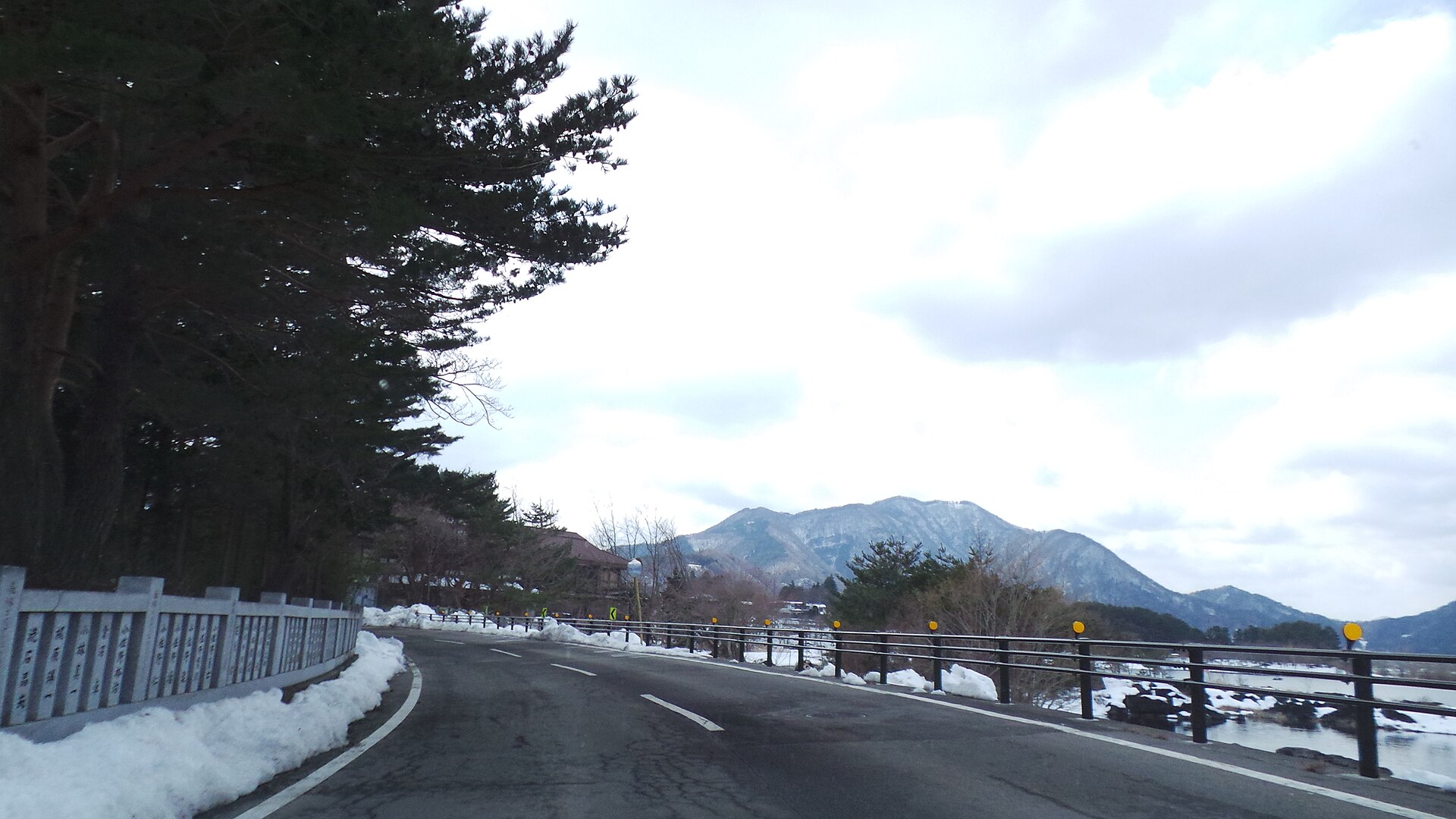
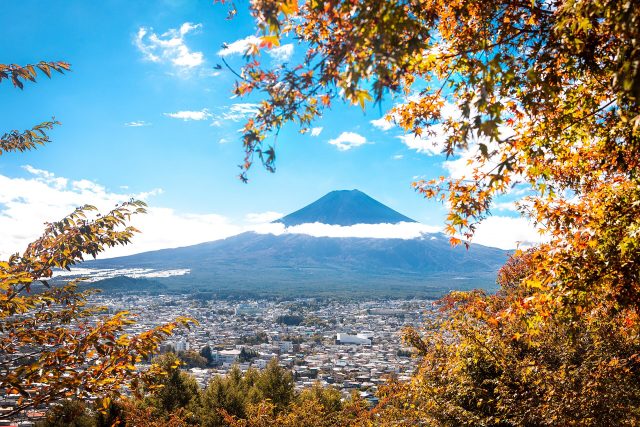
The lake changes with the seasons, each offering its own version of beauty. In spring, cherry blossoms drift across the water like pink snowflakes. Summer brings warmer weather, though the water stays cool, and boats dot the surface as people swim or paddle along the shore. Autumn turns the surrounding forests into a blaze of red and gold, while winter, if the weather cooperates, transforms Fuji into a snow-capped giant reflected in the still, frozen lake. On those rare, perfectly clear winter mornings, the silence is so deep it feels as if the world has paused.
Despite being the most visited of Fuji’s lakes, Kawaguchiko has avoided becoming a theme park. There are no flashy attractions or crowds like those in more commercialized parts of Japan. Instead, it offers a quieter kind of experience—one where you can walk for hours without seeing another soul, or sit by the water and watch the light shift across Fuji’s slopes. It’s a place where nature and human life coexist without friction, where the mountain’s presence is so constant that it becomes part of the rhythm of daily life.
If you visit, don’t just take a few photos and leave. Stay a while. Watch how the lake changes from dawn to dusk. In the early morning, when mist hovers over the water, Fuji appears ghostly, its outline soft and indistinct. By midday, the mountain stands sharp and imposing under the bright sun. As evening falls and the lights of the towns flicker to life, the reflection in the water takes on a magical quality, as if the lake is holding a second sky. Kawaguchiko isn’t just a place to see—it’s a place to feel, where the quiet beauty of Fuji seeps into you, one moment at a time.