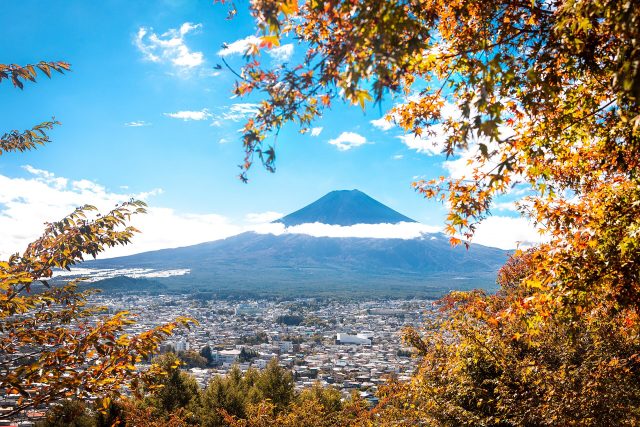
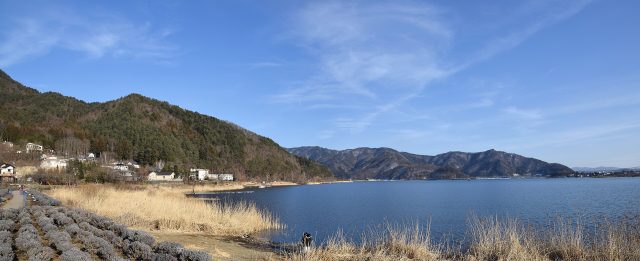
Nestled at the foot of Mount Fuji, the Volcano Museum offers more than just exhibits—it’s an invitation to understand the mountain as something far greater than a postcard image. Fuji isn’t just a landmark; it’s an active force, a presence that has shaped the land and the people around it for centuries. The museum doesn’t try to compete with the mountain’s grandeur. Instead, it quietly bridges the gap between human curiosity and the raw power of nature, letting visitors explore at their own pace.
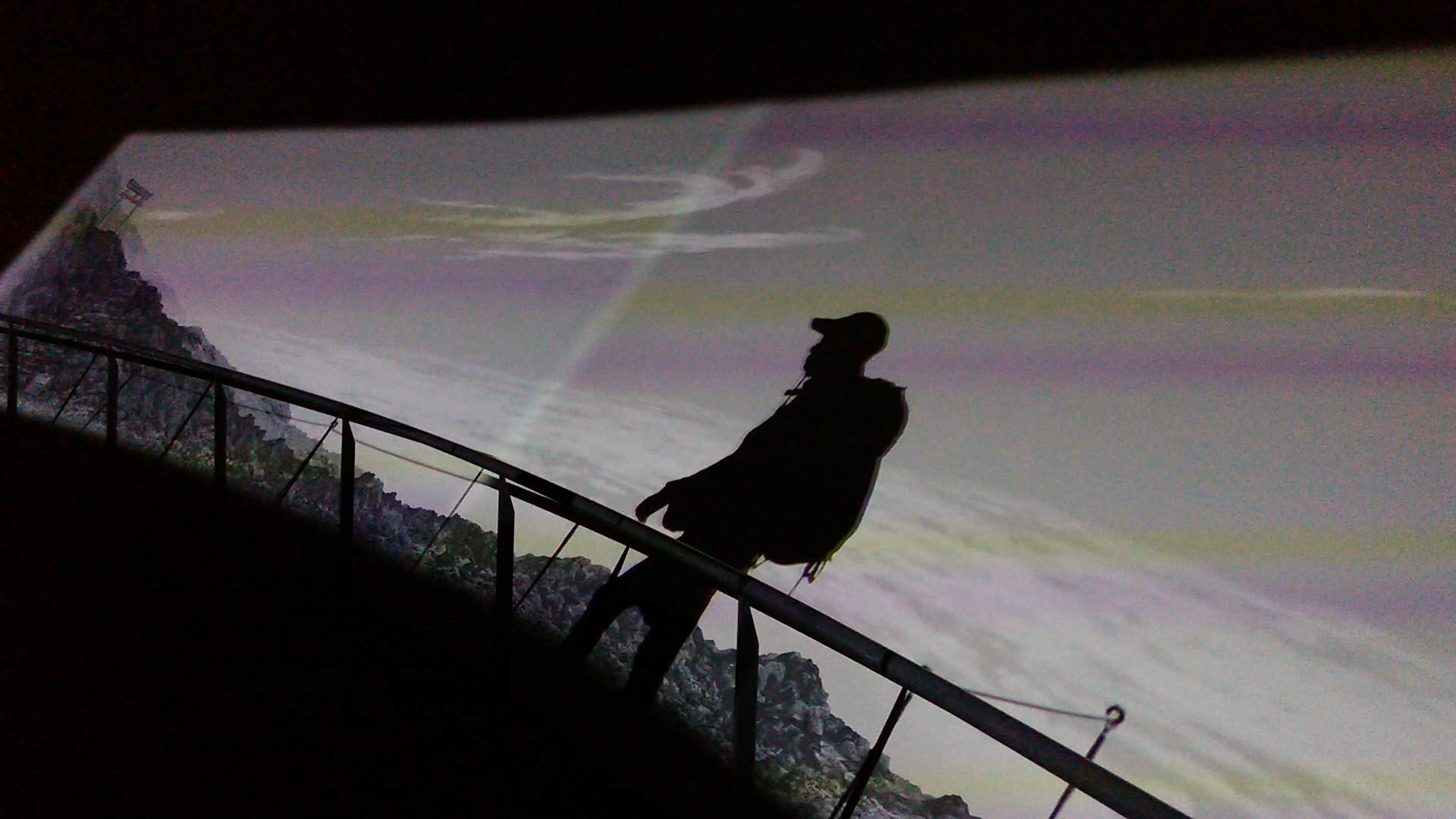
The building itself is unassuming, blending into the surrounding forests and hills rather than standing out. Inside, the space is designed to ease visitors into the world of volcanology without overwhelming them. There are no dense walls of text or dry scientific jargon. Instead, the story unfolds through interactive displays, models, and hands-on experiments. You can watch how lava cools under different conditions or feel the subtle vibrations of a simulated earthquake, small reminders of the forces that have shaped this landscape over millennia.
One of the most compelling sections focuses on the 1707 eruption, the last time Fuji awoke. Ash blanketed the region, darkening the skies as far as Edo—modern-day Tokyo—for days. The museum presents historical accounts and firsthand testimonies, showing how people at the time interpreted the event. Some saw it as divine retribution, others as an inevitable part of life beside a mountain that demanded respect. The museum doesn’t offer a single narrative but leaves room for reflection on how perceptions of Fuji have evolved over time.
The architecture reinforces this sense of harmony. Built from local materials using traditional techniques, the structure feels both timeless and modern. Large windows frame views of Fuji, while the minimalist design ensures nothing distracts from the exhibits. Even the lighting is subtle, guiding attention to the displays without overpowering them. The building doesn’t try to impress—it simply exists to tell a story.
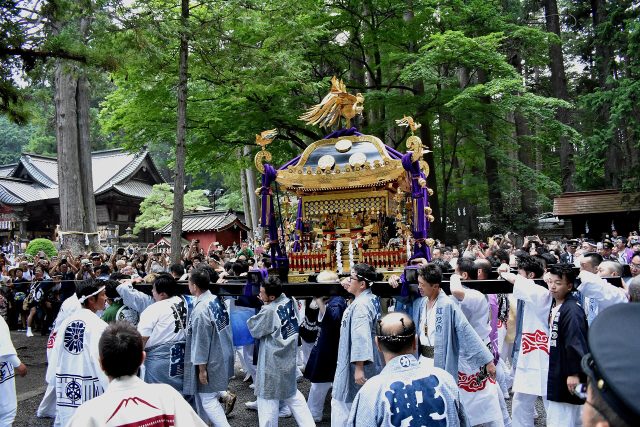
For many Japanese, Fuji is more than a mountain; it’s a sacred symbol woven into the country’s identity. The museum acknowledges this spiritual dimension without making it the focal point. It’s there in the photographs of pilgrims ascending the slopes, in the stories of Shinto shrines at the mountain’s base, and in the woodblock prints by Hokusai and other ukiyo-e masters. These artworks capture Fuji in different seasons and moods, revealing why it has inspired generations of artists and poets.
While Fuji is the museum’s heart, it doesn’t ignore the broader world of volcanology. Exhibits explore other Japanese volcanoes, like those on Kyushu, and even touch on how eruptions have influenced global climate patterns. Yet Fuji remains the central figure, visible through the windows, shaping the weather, the landscape, and the lives of those who live in its shadow. Its presence is inescapable, a constant reminder of nature’s power.
A visit here isn’t a rushed tour but a quiet conversation with history. There’s no crowd jostling for the next attraction, no pressure to move quickly. The pace is slow, allowing time to sit by a window and watch how the light changes the mountain’s appearance, or to browse the small library of books on volcanoes, both scientific and artistic. The museum doesn’t just explain—it invites contemplation, a reminder that nature operates on a scale far beyond human control.
For those who come to Fujiyoshida seeking more than just a photo opportunity, the museum adds depth to the experience. It transforms Fuji from a static image into something alive, still evolving in ways we might not notice. After visiting, a hike up the mountain or a walk through the foothills feels different—not just a tourist activity, but a chance to connect with something enduring. That’s why people return, not for facts, but for the quiet sense of being part of something much larger than themselves.