Enzū-ji is the kind of place people visit not for grand sights, but for the quiet that settles over you the moment you arrive. Perched on a hillside, surrounded by dense forest, it feels as though time moves differently here—slower, deeper, without the usual rush. The temple itself is small, but its history and atmosphere give it a presence that stands out even among Japan’s countless sacred sites.
Founded in the early 17th century, Enzū-ji is rooted in the Zen Buddhist tradition, belonging to the Sōtō school, one of Japan’s two main Zen lineages. This influence shapes everything about the temple, from its architecture to its interior. There’s no ornate decoration or excess—just simplicity, a harmony with nature, and an unspoken invitation to stillness. The main hall, modest in size, follows classic Zen design with its low-slung roof and wooden beams, their surfaces worn smooth by time into a warm, almost living patina.
The temple garden is often considered one of the most beautiful in Gifu Prefecture, though its beauty lies not in scale but in its quiet grace. Neatly raked gravel paths, carefully pruned shrubs, and a handful of stones arranged as if by nature itself create a scene of understated elegance. Designed in the karesansui style—a dry landscape garden where each element symbolizes water, mountains, or islands—it’s a place meant for contemplation. In Japan, such gardens are sometimes called "meditation in stone," and Enzū-ji’s is no exception. Sitting on the temple veranda, watching the patterns in the gravel or listening to the rustle of leaves, it’s easy to feel thoughts settling into clarity.
At the heart of the temple is the meditation hall, where monks and visitors spend hours in silence. The space is almost bare: tatami mats, a low altar, and a single scroll of calligraphy—often a short verse or phrase reminding those who see it of life’s impermanence. Occasionally, the temple holds open zazen sessions, where participants sit in stillness, facing the wall. Those who take part often say that even a short time in the hall leaves them with a sense of lightness. Not everyone comes for spiritual practice, of course—some are drawn by the architecture, others by the garden—but even casual visitors find themselves slowing down, as if the temple’s quiet seeps into their bones.
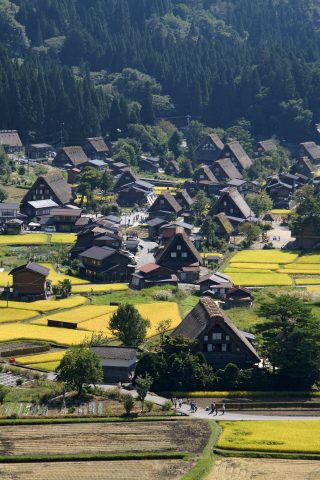
Shirakawa, the village where Enzū-ji stands, is known for its traditional gasshō-zukuri houses, their steep thatched roofs resembling hands pressed together in prayer. In winter, heavy snow blankets the landscape, and the temple takes on an even more serene appearance—white roofs, mist curling through the trees, the only sound the crunch of snow underfoot. In summer, the temple is swallowed by greenery, its wooden structures blending seamlessly with the forest. No matter the season, people come here seeking peace, and few leave disappointed.
What makes Enzū-ji special is that it isn’t a major tourist destination. There are no crowds, no souvenir stalls, no loud announcements. The road leading to the temple is narrow and winding, rarely busy with traffic. Locals treat the place with quiet respect, not reverence—it’s simply part of their lives, a spot to pray or sit in silence. Perhaps that’s why it retains its authenticity. It hasn’t become a museum piece; it’s still a living space where prayers are whispered and where anyone can find their own meaning.
If you find yourself in Shirakawa, it’s worth lingering here for an hour or so. You don’t need to understand Zen philosophy or the symbolism of the garden. Just come, sit on the veranda, and listen to the wind in the trees. Japan has many places where the past feels tangible, but Enzū-ji is one of the rare few where that past doesn’t feel distant or foreign. It’s present in every stone, every wooden beam, in the silence that wraps around you like a warm blanket. Maybe that’s why people keep returning—not as tourists, but as guests to a place where, for a little while, the world slows down.