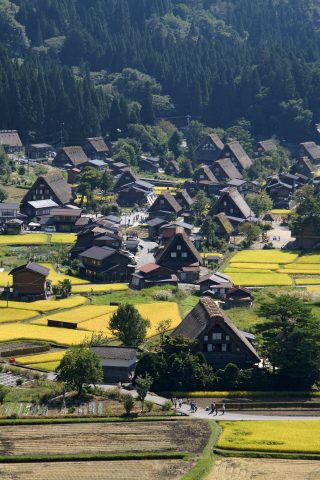
Nestled in the heart of Shirakawa-go, a village recognized by UNESCO for its exceptional cultural landscape, the Shirakawa History Museum offers a quiet portal into a way of life that has endured for centuries. This is a place where the past isn’t just remembered—it lingers in the scent of aged wood, the creak of floorboards underfoot, and the steep, thatched roofs that dominate the skyline. The village itself is a living testament to the resilience of its people, who carved out an existence in the shadow of the Japanese Alps, where winters are harsh and the land demands respect. The museum doesn’t just tell their story; it lets you step into it, if only for a moment.
The museum occupies one of the oldest *gasshō-zukuri* houses in the village, a structure that has stood for over two hundred years. These houses, with their distinctive A-frame roofs resembling hands pressed together in prayer, are more than just architectural marvels—they are a response to the environment. The steep pitch of the roof isn’t just for aesthetics; it’s a practical solution to the heavy snowfall that blankets the region each winter, allowing the snow to slide off rather than collapse the structure. Inside, the house feels like a time capsule. The massive wooden beams, fitted together without a single nail, bear the marks of generations who lived and worked beneath them. The ceilings are low, the air thick with the faint scent of smoke from long-extinguished hearths, and the narrow staircases lead to attics where silkworms were once raised by the thousands.
Life in Shirakawa-go was never easy, and the museum doesn’t shy away from that reality. The exhibits recreate the interiors of 19th-century farmhouses, where every object tells a story of hardship and ingenuity. The rough tatami mats, the clay hearths called *irori*, and the simple wooden tools used for cooking and farming are all here, arranged as they would have been in a family home. But what truly sets this place apart is its focus on the *gasshō* system—a tradition of communal labor that was essential for survival in these isolated mountain villages. Neighbors relied on one another to build homes, tend fields, and even share harvests. The museum displays the tools used in these collective efforts, along with documents and photographs that illustrate how tightly knit these communities were. It’s a reminder that in a place where nature could be unforgiving, cooperation wasn’t just a choice—it was a necessity.
One of the most fascinating aspects of the museum is its exploration of sericulture, the practice of raising silkworms, which became the economic backbone of Shirakawa-go in the 19th century. The attics of these houses, once filled with the rustling of silkworms feeding on mulberry leaves, were the heart of a thriving industry that connected this remote village to markets as far away as Kyoto and Osaka. The museum preserves this history through displays of cocoons, tools for reeling silk threads, and samples of the delicate fabrics produced here. What’s striking is how this tradition hasn’t entirely faded. Even today, a few families in the village continue to raise silkworms, though on a much smaller scale. It’s a rare glimpse into a craft that once shaped the fate of an entire region.
Beyond the practicalities of daily life, the museum also delves into the spiritual world of Shirakawa-go, where Shinto and Buddhist beliefs intertwined with older animistic traditions. The village’s festivals, some of which are still celebrated today, offer a window into this world. In spring, the *Yama-no-kami* festival honors the mountain spirits, while autumn brings harvest celebrations where the community gives thanks for the year’s bounty. The museum’s exhibits include models of local shrines, ritual objects, and photographs of these events, illustrating how deeply faith was woven into the fabric of everyday life. Here, the sacred and the mundane were never far apart.
Walking through the museum is like stepping into a different era. The air is cooler in summer, warmer in winter, and always carries the faint aroma of woodsmoke and straw. Unlike the bustling cities where modernity often overshadows tradition, Shirakawa-go moves at its own unhurried pace. The museum isn’t just a collection of artifacts; it’s an experience. You can almost hear the murmur of voices from the past—the laughter of children playing in the attic, the crackle of a fire in the hearth, the rhythmic sound of a loom weaving silk. It’s a place where history isn’t just observed; it’s felt.
For the people of Shirakawa-go, the museum is more than a tourist attraction. It’s a place where traditions are kept alive through workshops, lectures, and seasonal events. In winter, visitors might be invited to try *happo-nabé*, a hearty stew that was once a staple of the local diet during the cold months. In summer, the museum hosts exhibitions of local crafts, from handwoven baskets to *washi* paper, made using techniques passed down through generations. These events aren’t just for show; they’re a way of ensuring that the skills and knowledge of the past aren’t lost to time.
The best way to experience the museum is to pair it with a walk through the village itself. Shirakawa-go is a place where life moves slowly, where the rhythm of the seasons dictates the pace. Elderly residents sit on the verandas of their homes, watching the world go by, while children play in the narrow lanes. Tourists wander with quiet curiosity, peering into open workshops where artisans weave or craft paper. As evening falls, the thatched roofs are bathed in the soft glow of lanterns, and the village takes on a dreamlike quality. It’s easy to see why UNESCO chose to preserve this place—not just for its architecture, but for the way it embodies a way of life that has all but disappeared elsewhere.
In a world that often feels disconnected from the past, Shirakawa-go offers a rare sense of continuity. The museum isn’t just a repository of history; it’s a bridge between then and now. Here, the traditions of the *gasshō-zukuri* houses, the communal spirit of the *gasshō* system, and the craftsmanship of sericulture aren’t just relics—they’re living practices, still shaping the lives of those who call this place home. To visit is to understand that some stories aren’t meant to be confined to books or displays. They’re meant to be lived.