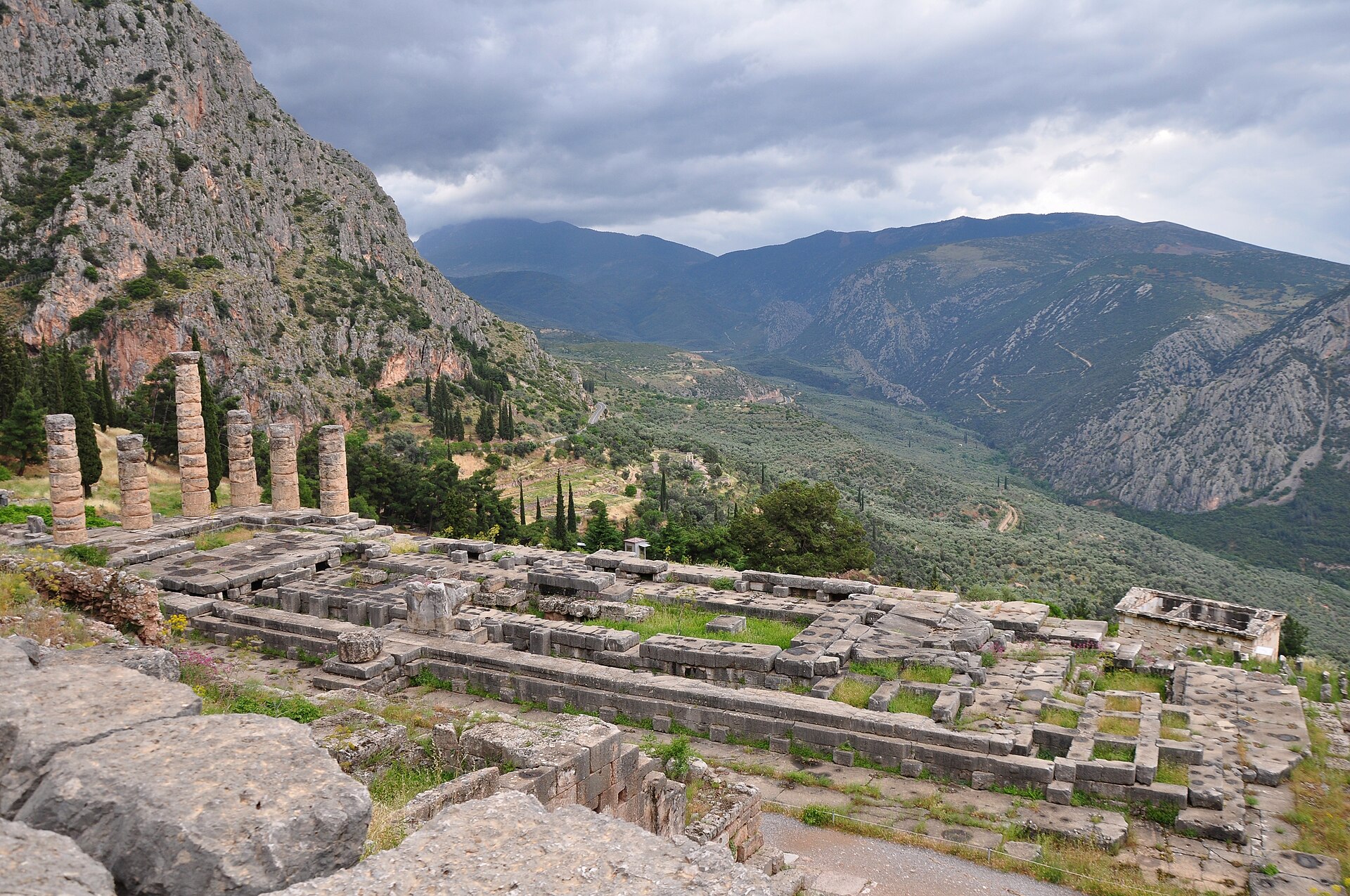
Perched on the slopes of Mount Parnassus, Delphi feels like a place where the past hasn’t just lingered—it’s still breathing. The ruins of the Temple of Apollo, once the heart of this sacred site, stand among olive groves and jagged cliffs, their weathered stones holding more than two thousand years of human longing. This wasn’t just a temple; it was the most revered oracle of the ancient world, a place where people came not only to worship but to seek answers—about love, war, fate, and the will of the gods. The Greeks believed that here, Apollo, the god of light and prophecy, spoke through the Pythia, a priestess whose cryptic words were interpreted by priests and delivered to those who traveled from across the Mediterranean, desperate for guidance.
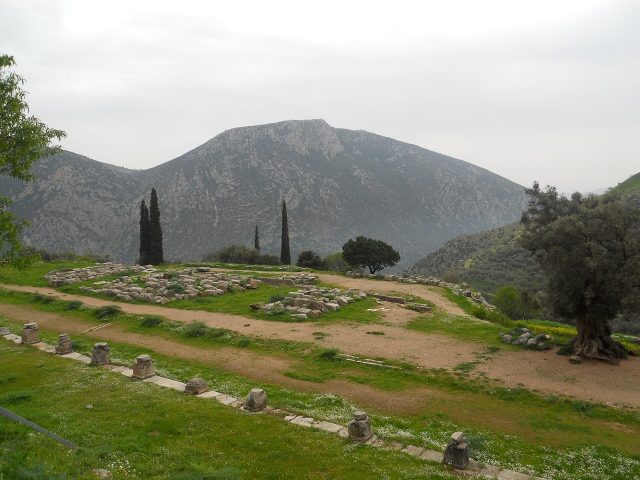
The temple itself was a masterpiece of Doric architecture, its sturdy columns and sculpted pediments designed to inspire awe. Over the centuries, it was rebuilt multiple times after fires and earthquakes, yet its purpose never wavered. The structure that stands today—little more than a foundation and a handful of columns—was the last iteration, completed in the 4th century BCE. Around it, the sanctuary sprawled across terraced slopes, a labyrinth of treasuries, monuments, and altars built by city-states eager to honor Apollo or curry his favor. Each of these structures told a story: the Athenian Treasury, restored in the early 1900s, once held offerings from a city that saw itself as the cultural heart of Greece; the Siphnian Treasury, adorned with intricate carvings, was a testament to the wealth of a small island that punched far above its weight.
The oracle’s prophecies were not given lightly. The Pythia, a local woman chosen for her purity and devotion, would enter a trance, her body wracked by convulsions as she inhaled fumes rising from a fissure beneath the temple. Ancient writers described these vapors as the breath of the earth itself, a divine intoxicant that allowed Apollo to speak through her. Modern geologists have found evidence of ethylene and other gases seeping from the bedrock, substances that could indeed induce hallucinations. The priests, standing by, would translate her disjointed utterances into verse, often crafting answers so ambiguous they could be interpreted in multiple ways. The most famous example is the story of King Croesus of Lydia, who asked the oracle whether he should wage war on Persia. The response—that a great empire would fall—seemed like a blessing, until his own kingdom crumbled beneath him.
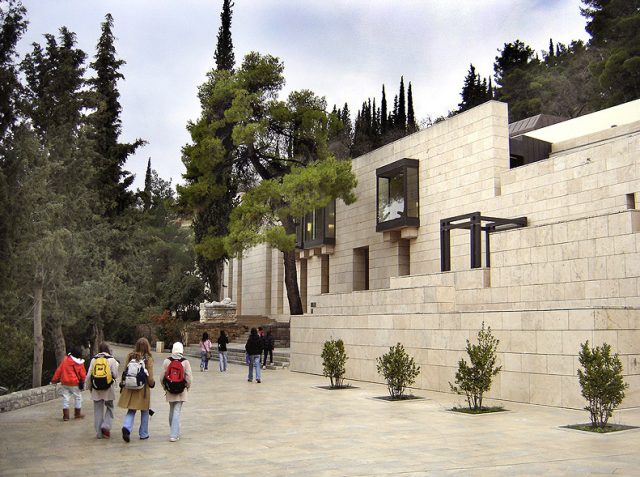
Delphi was more than a religious sanctuary; it was a political and cultural crossroads. Representatives from Greek city-states gathered here to negotiate alliances, settle disputes, and debate the issues of the day. The sanctuary’s neutrality made it an ideal meeting place, a rare patch of common ground where even bitter rivals could sit down under the watchful eye of Apollo. The Sacred Way, the processional path that led to the temple, was lined with offerings from cities and individuals—golden tripods, statues, weapons, and other treasures, some of which still survive in the site’s museum. The most striking of these is the Charioteer of Delphi, a bronze statue so lifelike it seems to capture a moment frozen in time, the driver’s gaze fixed on some distant horizon.
Beyond the temple, the archaeological site unfolds like a map of ancient Greek life. The theater, carved into the hillside, once hosted performances during the Pythian Games, a festival second only to the Olympics in prestige. The stadium, perched higher up the slope, was where athletes competed in footraces and other events, their cheering crowds echoing off the mountains. The museum nearby houses fragments of the temple’s pediments, their carved figures telling stories of gods and heroes—Apollo’s battle with the serpent Python, the gods watching over the birth of Athena. Walking through the ruins, it’s easy to imagine the site in its prime: the air thick with incense, the murmur of prayers, the clatter of sandals on stone as pilgrims made their way up the Sacred Way.
Delphi’s isolation only adds to its mystique. The journey here, whether by bus from Athens or along winding mountain roads, feels like stepping into another world. The landscape is rugged and dramatic, with the Gulf of Itea glinting in the distance and the peaks of Parnassus looming overhead. The modern village of Delphi, a cluster of whitewashed buildings at the foot of the archaeological site, is quiet and unassuming. Its tavernas serve simple, hearty food—roasted lamb, wild greens, olives from the surrounding groves, and wine from nearby vineyards. In the evenings, when the last of the day-trippers have left, the village settles into a silence broken only by the wind and the occasional bleat of a goat.
What makes Delphi extraordinary isn’t just its ruins, but the way they still seem to hum with the energy of the past. This was a place where myth and reality blurred, where the divine felt tangible, where every stone carried the weight of human hopes and fears. The oracle may have fallen silent centuries ago, but the questions people brought here—about power, destiny, and the unknown—haven’t changed. Walking among the columns of Apollo’s temple, it’s impossible not to feel the presence of those who came before, their voices carried on the wind, their stories etched into the very earth. Delphi wasn’t just a destination; it was the center of the ancient world, a place where the threads of religion, politics, and culture converged. And in some ways, it still is.