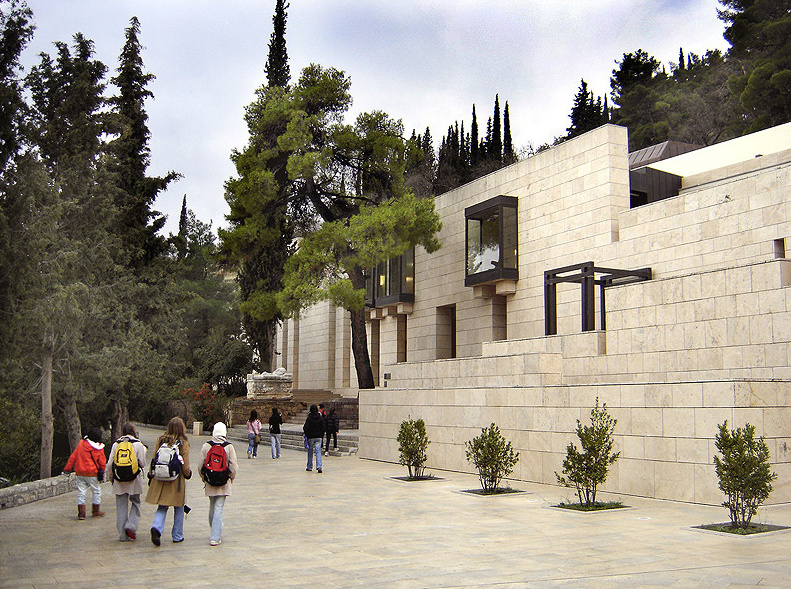
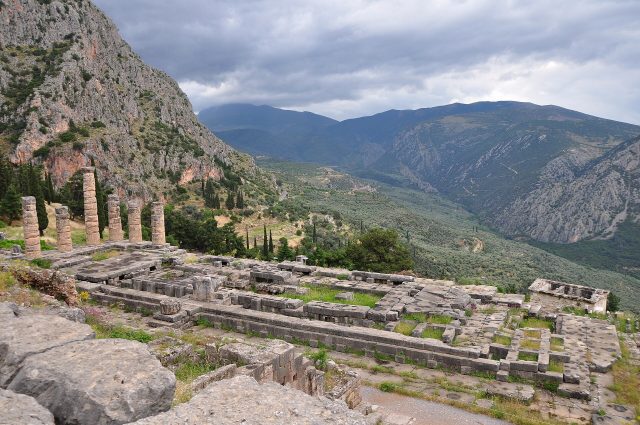
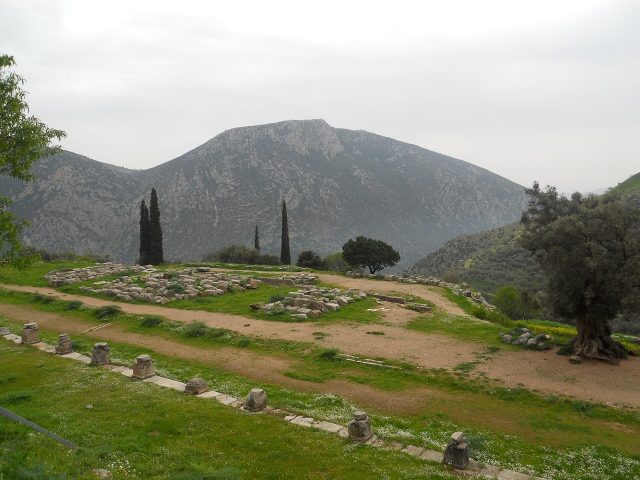
Delphi’s Archaeological Museum is one of those rare places where history doesn’t just sit behind glass—it lingers in the air, as if the past is still unfolding around you. Nestled at the foot of Mount Parnassus, within the ruins of what was once the most sacred site in the ancient Greek world, the museum occupies a space where cities and empires once sought divine guidance. It’s small in size, but its collection is vast in meaning, each artifact a fragment of a story that shaped the course of Western civilization.
Everything here was unearthed in Delphi or its immediate surroundings, giving the exhibits a rare cohesion. The museum doesn’t just display objects; it reconstructs the atmosphere of a place where oracles spoke, sacrifices burned, and disputes between city-states were settled. The halls are filled with statues dedicated to gods and heroes, fragments of temples, coins, weapons, and everyday items—remnants of the people who came here for wisdom, victory, or favor. Walking through the galleries, you sense the weight of decisions made in this very spot, where the future of entire nations once hung in the balance.
The most famous piece in the museum is the bronze Charioteer, discovered in 1896. Created in the 5th century BC, the statue captures a moment of quiet intensity just before a race. The figure’s taut muscles, focused gaze, and the delicate folds of his robe—still seeming to ripple in an unseen wind—make him feel almost alive. Originally part of a larger monument celebrating a chariot victory, the Charioteer remains one of the finest examples of classical Greek sculpture, a testament to the skill of artists who could turn bronze into something timeless.
Nearby stands the Sphinx of Naxos, a marble statue from the 6th century BC that once crowned a towering column at the sanctuary’s entrance. With the body of a lion and the face of a woman, the sphinx embodied the mystery and authority of Delphi, a place where myth and reality blurred. The museum also displays fragments of temple pediments and metopes, their carved scenes depicting battles between gods and heroes—stories that once inspired pilgrims and warriors alike. These works weren’t just decoration; they were a language, a way of communicating power, faith, and identity.
The museum holds countless inscriptions carved into stone, offering a glimpse into the daily workings of the sanctuary. There are decrees from city-states, lists of victors in the Pythian Games, and dedications to the gods. One particularly striking example is the "Proxeny Inscription," which names foreigners granted special privileges for their service to Delphi. Reading these names, you can’t help but wonder about the lives that intersected here—merchants, athletes, diplomats, all drawn to this remote mountain sanctuary for reasons that still feel urgent centuries later.
A separate hall is devoted to the treasuries—small buildings erected by Greek city-states to house their offerings to the gods. The museum displays fragments of these structures alongside the gifts they once contained: gold and silver jewelry, pottery, and votive figurines. Each treasury was a statement of a city’s wealth and piety, a way of asserting its place in the Greek world. The reconstructed Athenian Treasury, for instance, speaks to a time when Athens was at the height of its influence, its citizens eager to leave their mark in this most sacred of places.
As you move through the museum, the evolution of Greek art unfolds before you. The stiff, archaic smiles of early statues give way to the dynamic realism of the classical period, where sculptors mastered the art of capturing movement and emotion. Later works from the Hellenistic era introduce a new level of drama and expressiveness. The museum doesn’t just chronicle the history of Delphi; it traces the development of an entire artistic tradition, one that would go on to shape the visual language of the Western world.
What stays with you long after leaving is the sense of connection to something larger than yourself. Delphi was a place where people came to ask the most fundamental questions—about fate, power, and the will of the gods. Today, the sanctuary is in ruins, and the museum’s artifacts are silent, but the energy of that ancient crossroads still lingers. It’s easy to see why this place drew poets, philosophers, and generals, why it became a symbol of the search for meaning. Standing among these remnants, you understand that Delphi wasn’t just a site of pilgrimage; it was a mirror held up to humanity, reflecting our endless quest to understand the world and our place in it.