Perched on the slopes of Mount Parnassus, the Theatre of Delphi is where the past feels alive. This wasn’t just a stage—it was a sacred space where art, religion, and daily life met. Built into the hillside, the theatre stood near the Temple of Apollo, where oracles once shaped the fate of kings and commoners. Walk up its stone steps today, and you might hear echoes of ancient performances—tragedies by Aeschylus or Sophocles—where audiences sat in these seats to grapple with questions of existence.
The theatre’s design blends with the natural landscape. Carved into the rock, its semicircular shape follows the hill’s curve, with tiers of seating rising like steps. It once held around five thousand spectators. Construction took centuries, with the final form appearing by the 4th century BCE. Later, Romans made changes. What remains shows the precision of ancient stonemasons—blocks fitted so tightly no blade could slip between them.
The orchestra, a circular performance space, lies at the theatre’s heart. Here, actors and choruses once moved. A low stone parapet, worn by time, still separates it from the front row. In the center stood an altar to Dionysus, the god of wine and theatre. During festivals, tragedies and comedies unfolded, and victors earned laurel wreaths and fame.
The theatre hosted the Pythian Games, one of the four major Panhellenic festivals. Held every four years, these games included musical, theatrical, and poetic competitions. Winning here was as prestigious as triumphing in Olympia. The names of champions were etched into marble steles. Thousands gathered—priests, philosophers, merchants—to honor the gods and celebrate human creativity.
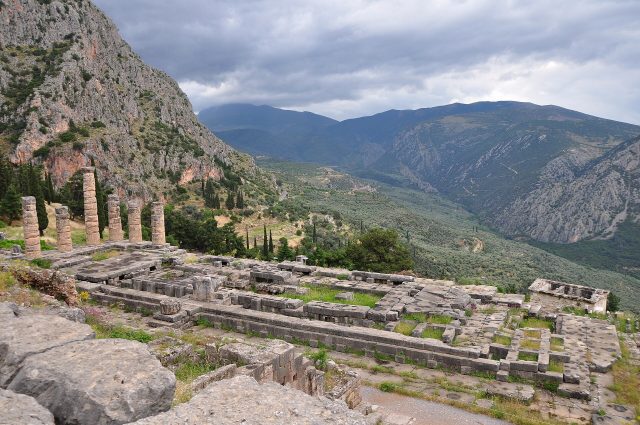
Today, the theatre wears the quiet dignity of age. Moss clings to the stones, and the past’s grandeur is visible only in fragments. Sit on a worn bench, and you can imagine the scene: actors in costumes, the music of flutes, the murmur of the crowd. On clear days, the view stretches over the valley where the Sacred Way once led pilgrims to the Temple of Apollo.
Nearby, the stadium’s ruins and city-states’ treasuries stand as silent witnesses to Delphi’s former glory.
Delphi blurs myth and reality. Legend says Apollo slew the serpent Python here and established his sanctuary. The theatre was part of this mythic landscape. Even now, the site retains a mystical aura. Delphi wasn’t just a city—it was the center of the world for the ancient Greeks, the omphalos, or navel of the earth. The theatre carries the weight of that belief.
Visiting the Theatre of Delphi isn’t about ticking off a tourist attraction. It’s about stepping into a different rhythm of time. Unlike Athens, Delphi offers solitude. Wander the ruins, reconstruct the past in your mind, or sit on the steps, listening to the wind. The questions asked by those who once filled these seats—about life, fate, and the divine—still linger.
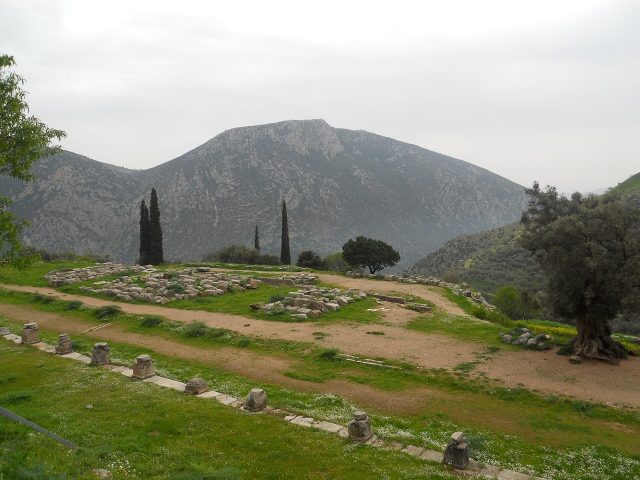
The surrounding landscape deepens its allure. Olive groves and rugged peaks feel timeless. Below, the stadium’s remains and scattered treasuries hint at Delphi’s former importance. It’s a place for reflection, where the boundaries between then and now soften. Whether you’re drawn by history, mythology, or beauty, Delphi makes the past feel present. The theatre doesn’t just preserve history—it lets you touch it.