Wad ban Naqa
Wad ban Naqa lies in the sands of northern Sudan, where the past lingers. Few tourists come here, leaving its crumbling walls and scattered columns to stand as they have for centuries. The wind rustles through acacia trees, and footsteps echo lightly—those of travelers who seek its secrets.
An hour’s drive northeast of Khartoum, on the Nile’s banks, this was once a key city in the Kingdom of Kush. Around the 3rd century BCE, it thrived as a trade hub linking Central Africa to the Mediterranean and as a religious center where rulers built temples in the Egyptian style. Its position along caravan routes brought wealth, and its ruins now reveal the Kushite people’s sophisticated urban life.
The Temple of Amun is the most striking remnant. Its weathered stones still show faint carvings of gods and rulers, softer and more fluid than Egyptian art, with motifs unique to the region. Nearby, the ruins of a royal palace suggest the power Kushite kings once held. The city’s layout—residential areas, workshops, water systems—shows careful planning.
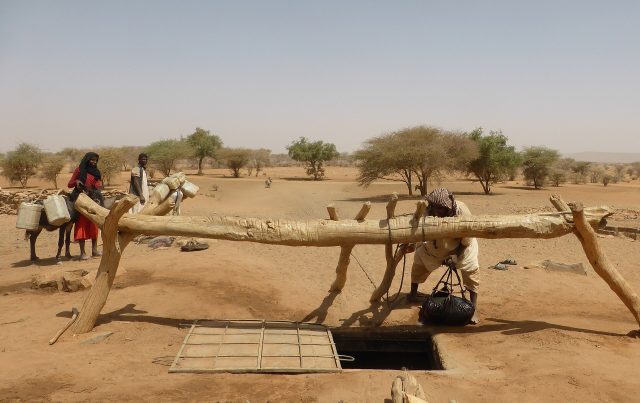
Archaeologists have found pottery, glass, and metalwork, evidence of a thriving local industry. Ancient wells, still in use today, provide fresh water to nearby villages. These wells connect past and present, a lifeline in this harsh landscape.
There is no grand restoration here. The ruins remain as they were found, slowly shifting with the desert’s whims. Sands cover and uncover parts of the site each season, while rare rains erode the mudbrick walls. The place feels suspended in time.
Visiting Wad ban Naqa is not like visiting other historical sites. There are no signs, no ticket booths, no guided tours. You’ll need a local guide, someone who knows the terrain and the stories passed down through generations. Early morning or late afternoon is best, when shadows stretch long and the desert light softens. Without crowds, you can wander freely, imagining the city alive with merchants, priests, and artisans.
The surrounding landscape holds its own stories. Small villages nearby live much as they have for centuries—farming dates and sesame, herding livestock, gathering around fires at night. For them, Wad ban Naqa is not just ruins; it’s part of their heritage. Women draw water from the same wells that sustained the city millennia ago. Children play among the stones, unaware of the history beneath them.
This isn’t a place for ticking off tourist attractions. There’s no luxury, no modern comforts—just the raw presence of history. The heat, the silence, and the vast desert demand patience. If you’re curious, you’ll see Sudan differently—not through headlines, but as it has been for thousands of years: a land of quiet resilience and deep mystery.