Naga is one of those places that feels suspended in time, a quiet witness to a civilization most of the world has forgotten. Tucked away in the vast deserts of Sudan, about an hour’s drive northeast of Khartoum, it was once part of the Kingdom of Kush—a powerful empire that thrived alongside, and at times even dominated, Ancient Egypt. Today, Naga draws those who seek solitude, history, and the rare sensation of standing where the past still lingers in the stones beneath their feet.
The city flourished in the first millennium BCE, during Kush’s golden age. Unlike Egypt’s pyramids, which have become global symbols of antiquity, Naga’s ruins remain largely unknown, though their significance is no less profound. There are no crowds here, no souvenir stalls, no guides reciting rehearsed scripts—just wind, sand, and the silent testimony of a once-great civilization. It’s a place for those who want to experience history unfiltered, without the gloss of tourist brochures or the noise of modern expectations.
At the heart of Naga stands the Temple of Apedemak, dedicated to the lion-headed warrior god revered by the Kushites. Built in the 2nd century CE, when the kingdom was already feeling the influence of the Roman Empire, the temple blends Egyptian, Greek, and local architectural traditions. Its columns, crowned with lotus-shaped capitals, and its intricate reliefs depicting pharaohs and deities, all fit together with remarkable precision. The entrance is particularly striking, adorned with carvings of Apedemak surrounded by goddesses and rulers, a visual representation of the union between power and faith.
Not far from the temple lies what’s known as the "Roman Kiosk," though its connection to Rome is tenuous at best. This small, elegant structure, with its columns and arches, was likely used for religious ceremonies or as a resting place for rulers. Its Hellenistic style is a reminder of how far the influence of the ancient Mediterranean reached, even into the heart of Africa. Though modest in size, the kiosk’s proportions and craftsmanship suggest a level of skill that still impresses visitors today.
Another highlight is the Temple of Amun, the sun god who held a central place in the Kushite pantheon. Unlike the more ornate Temple of Apedemak, this one is austere and monumental, with towering pylons and broad staircases leading to the sanctuary. Fragments of altars, columns, and faded wall paintings remain, hinting at its former grandeur. The temple wasn’t just a religious site but a symbol of the Kushite kings’ authority, who ruled from Meroë, the kingdom’s capital. What’s left of it today may be ruins, but they carry the weight of a civilization that once shaped the region’s destiny.
Beyond the temples, Naga’s landscape is dotted with the remnants of daily life—residential quarters, workshops, and cemeteries. Archaeological work here has been sporadic compared to Egypt or Mesopotamia, so much of the site remains unexplored. Yet even the visible ruins offer glimpses into the city’s past: bustling streets, markets trading in ivory, gold, and exotic goods, and homes ranging from those of the elite to ordinary citizens. It was a thriving hub, a crossroads between Africa, the Middle East, and the Mediterranean.
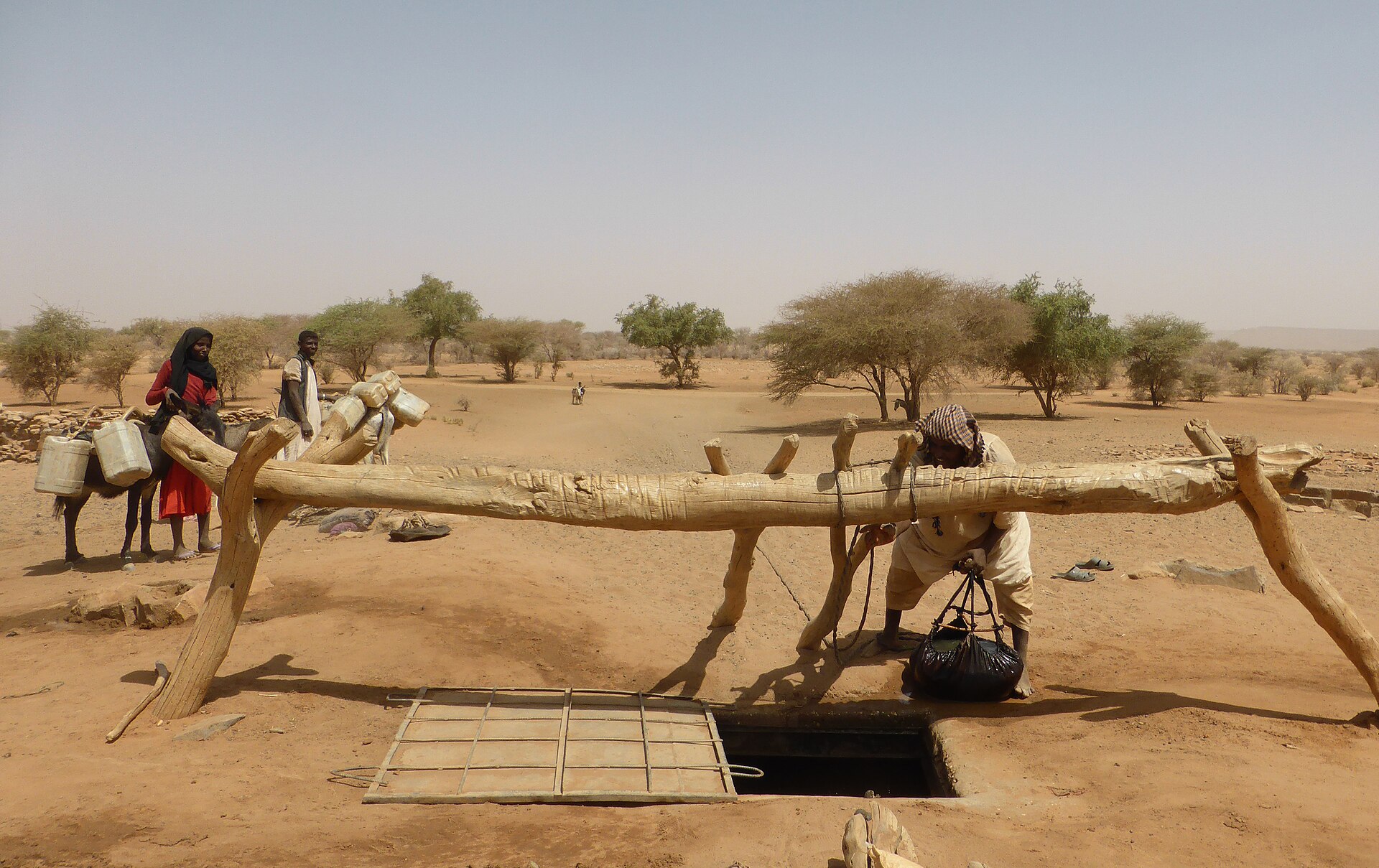
Reaching Naga isn’t easy. The journey from Khartoum takes hours along a desert road, passing through sparse settlements and endless dunes. There’s little in the way of tourist infrastructure, and that’s part of the appeal. The lack of amenities is offset by the sense of authenticity—no hotels, no restaurants, no souvenir shops, just ancient stones, wind, and the occasional cry of a desert bird. If you encounter locals along the way, they may be surprised to see visitors but are likely to be warm and welcoming, offering what little they have.
Visiting Naga isn’t like a typical sightseeing trip. There are no signs, no explanatory plaques, no audio guides to narrate the history for you. Instead, you’re left to piece together the past through your own observations and whatever knowledge you’ve gathered beforehand. That’s what makes Naga special—it doesn’t try to cater to everyone. It simply exists, preserving the memory of a long-gone era. For those willing to meet it on its own terms, it’s a revelation.
It’s worth remembering that Naga isn’t just an archaeological site; it’s a living part of Sudan’s history. The country has faced its share of upheavals, and many of its ancient treasures remain inaccessible to most. Yet places like Naga serve as a reminder of how rich and diverse the world truly is—and how vital it is to protect that heritage. Someday, there may be museums, guided tours, and better access, but for now, Naga remains one of the few places where you can touch the past without intermediaries or distractions. And perhaps that’s its greatest value.