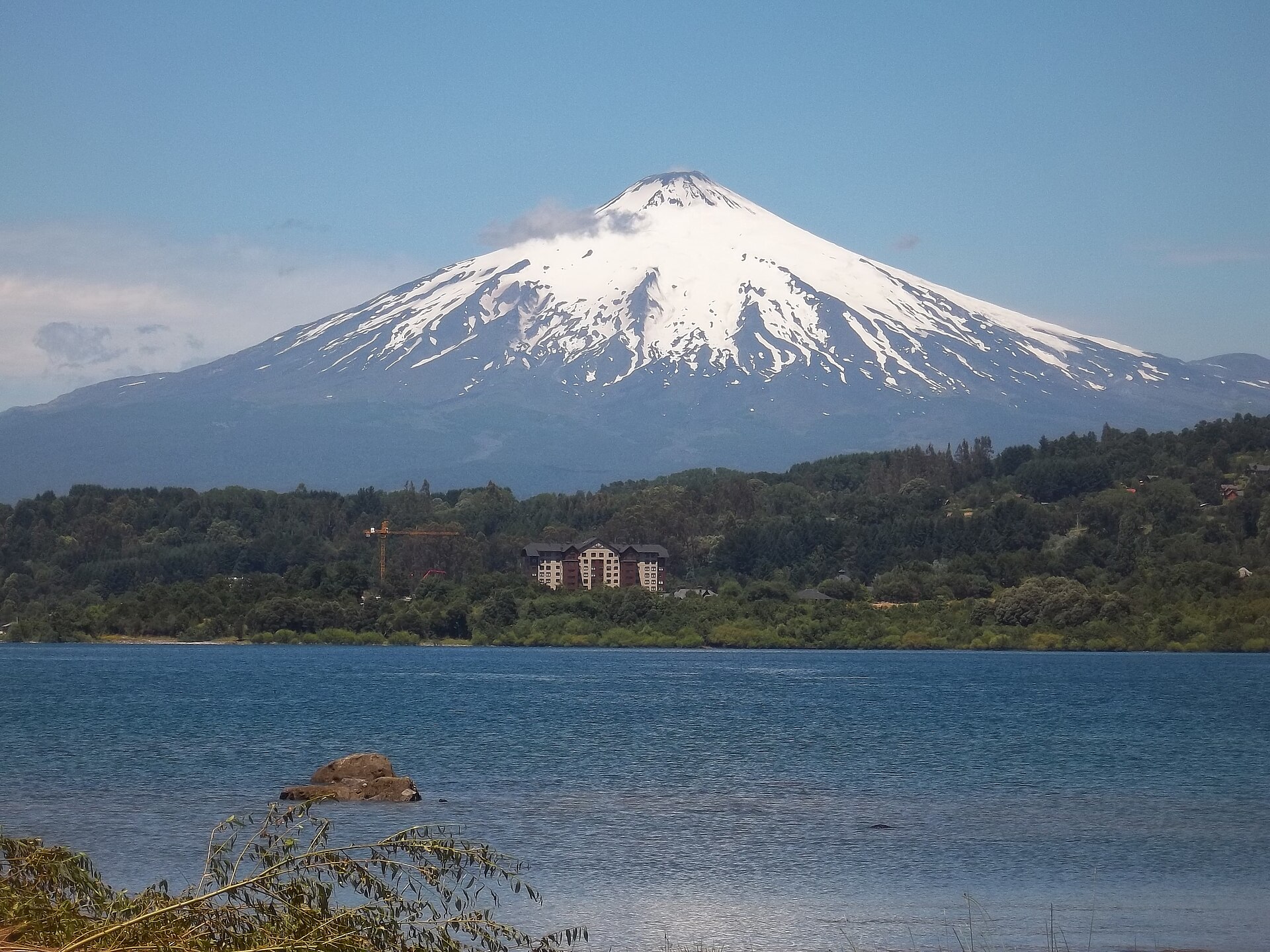
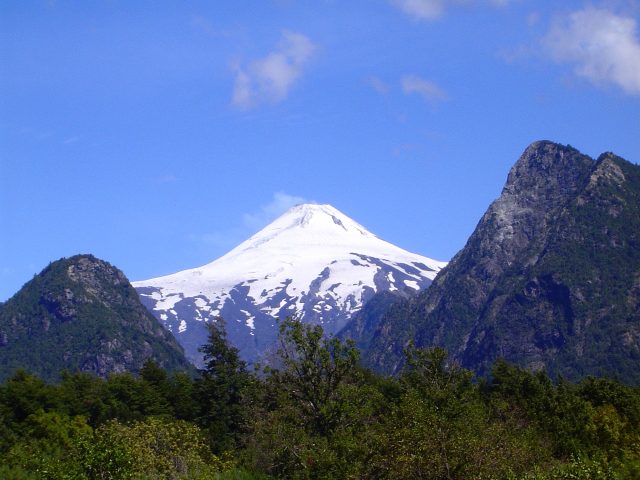
Villarrica is one of those rare places where the earth’s raw power feels almost tangible. Rising above the town of Pucón, its perfectly symmetrical cone—often dusted with snow—dominates the landscape of Chile’s Lake District, a silent but constant reminder that nature here is both breathtaking and untamed. The volcano is far from dormant; over the centuries, it has erupted dozens of times, most recently in 2015, when nearby villages were evacuated as ash clouds billowed into the sky. Yet despite its volatility, Villarrica draws visitors year after year, from seasoned mountaineers to casual hikers, all lured by the promise of adventure and the stark beauty of its slopes.
For the Mapuche people, who have lived in these lands for generations, Villarrica was never just a mountain. They called it Rukapillán, meaning House of the Spirits, and believed it was home to a powerful deity. Even today, there’s a quiet reverence in the way locals speak about the volcano, a sense that it demands respect. Guides often remind climbers not to take its moods lightly—weather can shift in an instant, and the mountain’s temperament is as unpredictable as the wind that whips across its summit. On clear days, the view from the top stretches across a patchwork of lakes and jagged peaks, but reaching that vantage point is no easy feat.
The climb usually begins before dawn, when the air is crisp and the sky still dark. The first stretch winds through fields of hardened lava, where sparse vegetation clings to the rocky ground, and fumaroles—steaming cracks in the earth—hint at the heat simmering below. Higher up, the terrain shifts to ice and snow, requiring crampons and ice axes for the final push toward the crater. Those who make it to the top are rewarded with a glimpse of something few ever see: a churning lake of lava, its surface shifting and glowing as the volcano breathes. It’s a fleeting sight, one that comes and goes with the mountain’s restless energy.
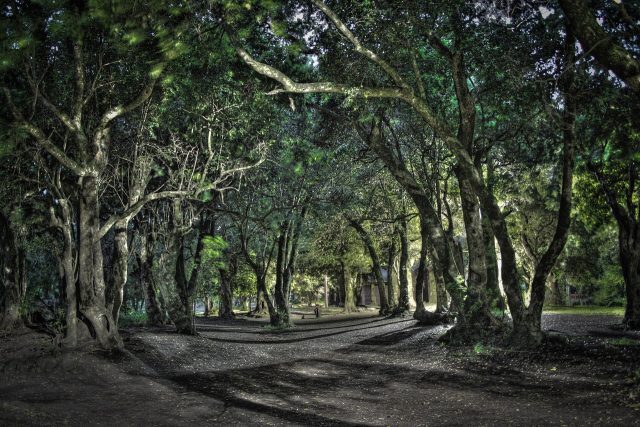
In winter, Villarrica’s slopes become a playground for skiers and snowboarders, though not in the way most might expect. There are no groomed runs or luxury lodges here, just wide-open snowfields and the kind of solitude that’s hard to find in more commercialized resorts. The descent feels wild, almost untouched, with nothing but the sound of skis cutting through fresh powder and the occasional call of a bird echoing across the valleys. Summer brings a different kind of adventure, with trails crisscrossing the lower slopes and winding through forests of southern beech. Some routes are gentle, perfect for an afternoon stroll, while others demand days of trekking, with nights spent in tents under a sky dense with stars.
Pucón itself has grown up in Villarrica’s shadow, and the volcano is woven into the fabric of daily life. Locals speak of it with familiarity, not fear—there’s no panic when tremors ripple through the ground, just a quiet awareness of what might come next. Guides who lead climbs know the mountain’s quirks, from the safest paths to the best spots to pause and take in the view. In cafés and bars, stories circulate about past eruptions, like the time lava rerouted a river or when the sky turned black with ash. It’s not just a backdrop; it’s a living part of the community.
For those who attempt the climb, Villarrica is more than a challenge—it’s a test of endurance and humility. The altitude, the weather, the sheer physical demand of the ascent all push climbers to their limits. But those who reach the summit often describe a sense of having touched something real, something beyond the polished veneer of typical tourist destinations. There are no manicured viewpoints or safety rails here, just the raw elements: rock, ice, fire, and the vast expanse of sky above.
Beyond the volcano itself, the surrounding area offers its own quiet rewards. Hot springs bubble up from the earth, their mineral-rich waters a perfect antidote to tired muscles after a long hike. Nearby Villarrica National Park protects ancient forests and elusive wildlife, like the pudú, a tiny deer that moves almost unseen through the undergrowth. Yet for all these attractions, it’s the volcano that lingers in the memory. There’s no grand spectacle designed to impress, no carefully curated experience—just the mountain, existing as it has for millennia, indifferent to the people who come to marvel at it.
What makes Villarrica special isn’t just its beauty or its danger, but the way it forces you to confront your own smallness. Standing on its slopes, you’re reminded that the earth is alive in ways we often forget, that its power is both humbling and awe-inspiring. It’s a place that doesn’t try to charm you, doesn’t offer easy comforts. Instead, it simply is, and that’s enough. For those who visit, the experience stays with them long after they’ve descended, a quiet echo of what it means to stand in the presence of something truly wild.