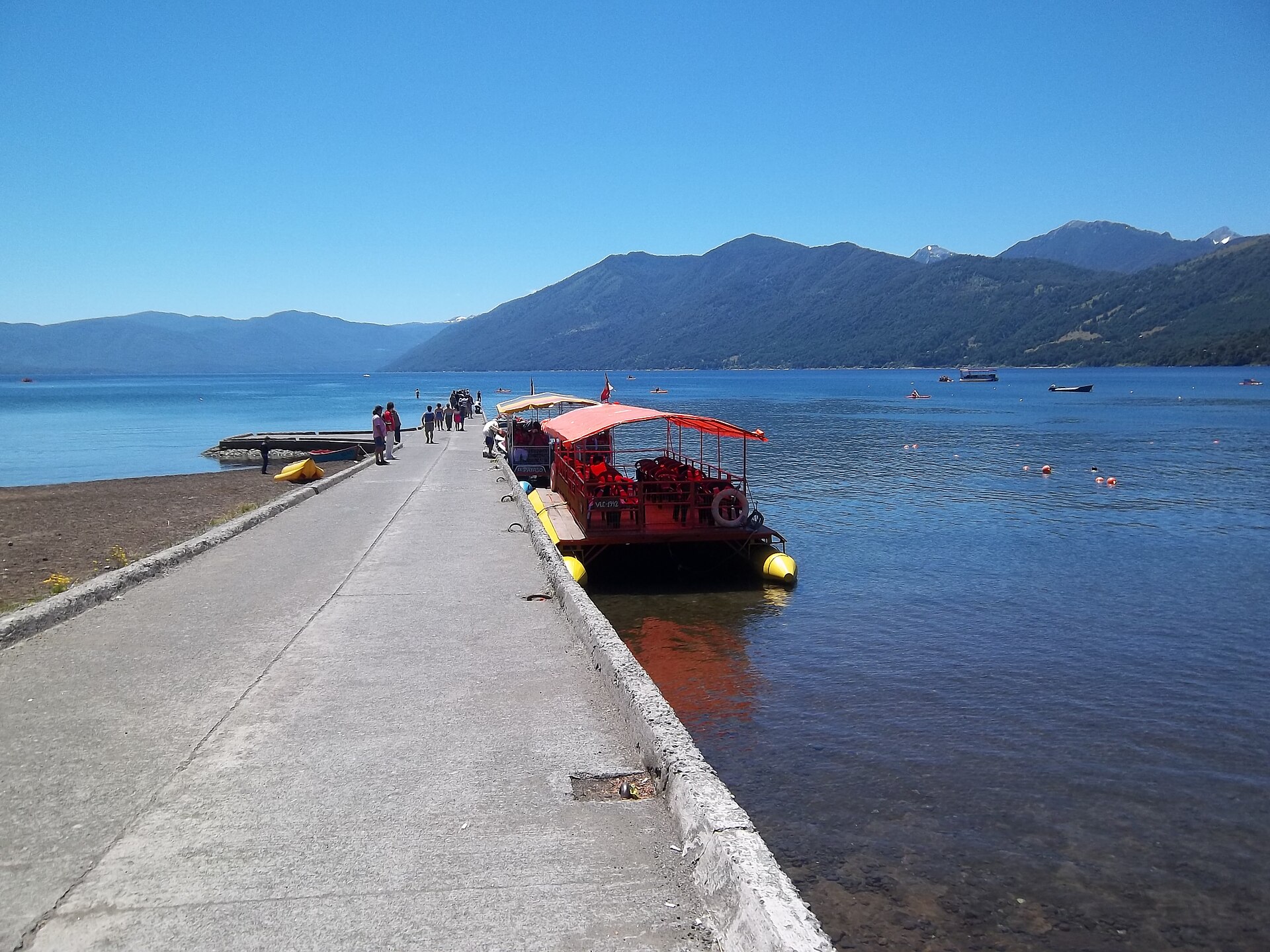
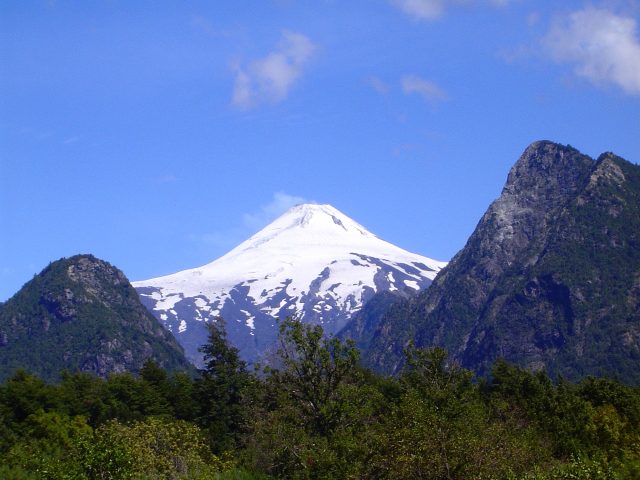
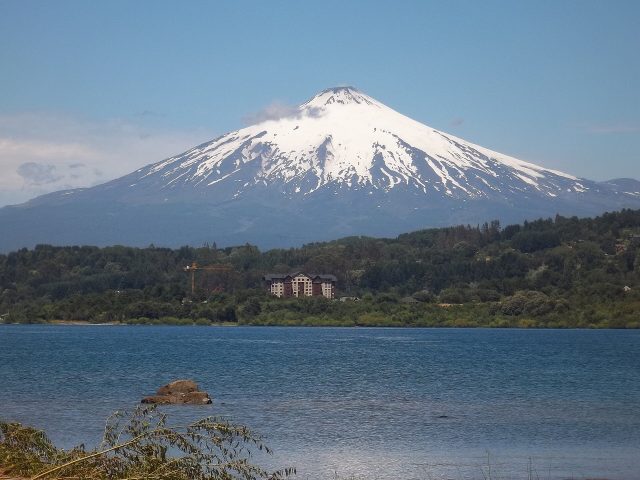
Lago Cabraloco sits quietly in the heart of Chilean Patagonia, where the air carries the scent of damp earth and pine. It’s not the kind of place you stumble upon by accident—there are no crowded resorts or well-trodden paths here. The nearest town, Pucón, is a ninety-minute drive away, but the distance feels greater, as if civilization has faded into something distant and irrelevant. The lake itself is small, stretching just five kilometers end to end, yet its shoreline twists and turns in such a way that it feels like an endless maze of hidden coves and jutting peninsulas.
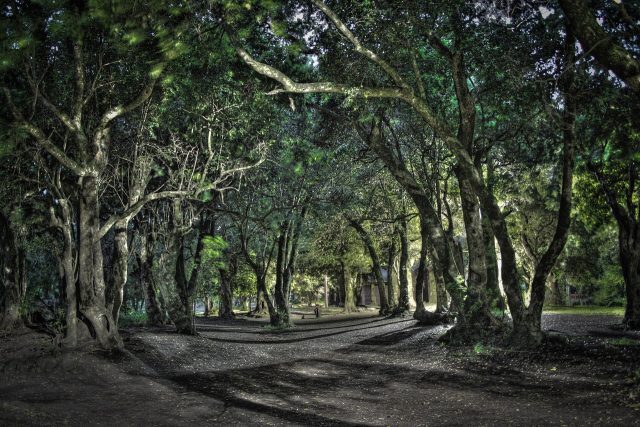
The water in Cabraloco is dark, almost black, mirroring the sky and the slopes of the surrounding hills, where ancient araucaria and southern beech trees stand tall. Locals call these lakes the eyes of Patagonia, as if they hold the secrets of the land in their depths. On clear days, the water turns transparent, giving the illusion that you could reach down and touch the bottom, though in places it plunges over a hundred meters deep. In winter, a thin layer of ice forms across the surface, while in summer, the lake warms just enough for a quick, bracing swim—though the chill never quite leaves it.
This place is deeply tied to the history of the Mapuche, the indigenous people who have lived in these lands for centuries. For them, Cabraloco was a sacred site, a place where spirits dwelled and healing could be found. They believed the water had the power to wash away illness and bad thoughts, a belief that lingers in the quiet rituals still practiced here. You might come across stone arrangements that once served as altars or lone trees wrapped in colorful ribbons, remnants of a culture that has endured despite colonization and change.
There’s no grand architecture here, no man-made structures to speak of—just the raw, untamed beauty of nature shaping the landscape. The shores shift from steep cliffs plunging into the water to gentle sandy beaches where wild reeds sway. In some spots, moss-covered rocks lean toward the lake, while in others, thick ferns and bamboo create a dense, almost impenetrable wall. On the eastern shore, the rusted remains of an old sawmill from the early 1900s stand as a quiet reminder of the brief human presence that once disrupted this solitude. Now, nature has reclaimed it, leaving only a few skeletal beams half-buried in the grass.
Cabraloco isn’t a place for those seeking comfort or entertainment. There are no hotels, no restaurants, no marked trails—just the lake, the forest, and the mountains. People come here to be alone, to fish, to paddle a kayak across the still water, or to sit by a fire as the wood crackles and pops. The fishing is excellent; trout and salmon thrive in these depths, and locals sometimes organize informal competitions, though there are no official rules. You can rent a boat in Pucón or bring your own, but the weather in Patagonia is unpredictable, and a sudden gust of wind can turn a peaceful outing into something far less serene.
Winter transforms the lake entirely. Snow blankets the shores and the treetops, turning the water a dull, metallic gray. Few venture here in the colder months—the roads become treacherous, and the cold seeps into your bones. But those who do make the journey are rewarded with absolute silence, the kind that makes you feel like the only person on earth. Occasionally, you might spot tracks in the snow—guanacos or even a puma—but the animals themselves remain elusive, slipping away before you ever catch a glimpse.
Cabraloco isn’t one of Chile’s most famous destinations, and that’s precisely why it feels so special. There are no crowds, no souvenir stands, no signs pointing the way. Just the lake, the forest, and the mountains, existing as they always have, indifferent to human presence. That’s the real magic of this place—it doesn’t try to impress or accommodate. It simply is, unchanged and unchanging. And if you find yourself here, you’ll understand that sometimes the best journeys are the ones where you don’t discover anything new, except perhaps a quieter, more patient version of yourself.