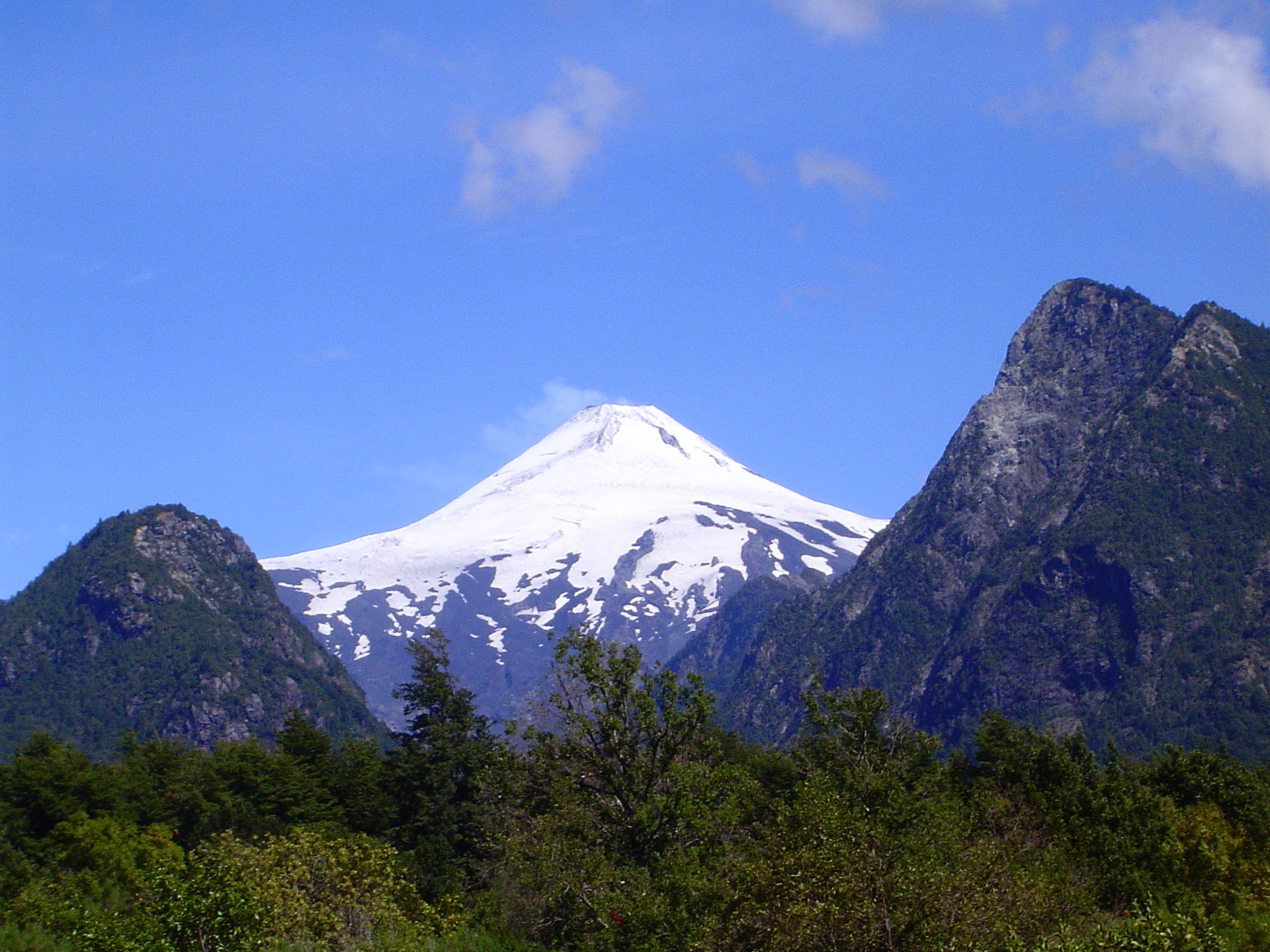
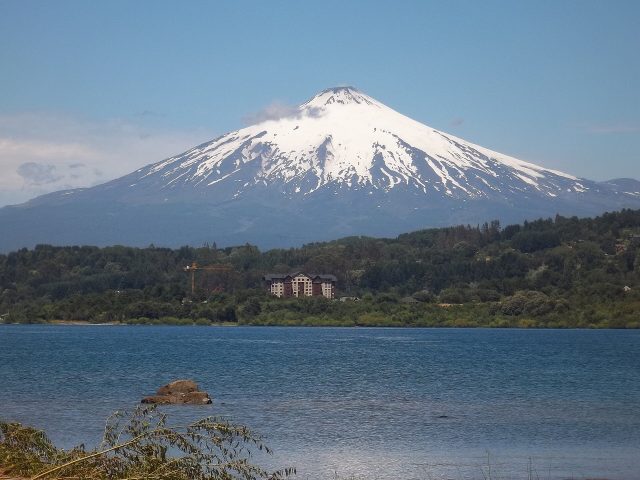
Villarrica National Park is one of Chile’s most striking natural reserves, a place where the raw beauty of the Andes meets the quiet intensity of volcanic landscapes. Stretching across the southern reaches of the country, the park feels like a world apart—thick forests hum with the scent of ancient araucaria trees, while crystal-clear lakes reflect the jagged peaks above. The air here is different, lighter somehow, as if the altitude and the sheer scale of the surroundings have a way of clearing the mind. At the heart of it all stands Villarrica Volcano, its snow-capped summit looming over the region like a silent sentinel. From the nearby town of Pucón, the volcano is visible almost everywhere, a constant reminder that this is a land shaped by forces far greater than human hands.
The park’s history is as layered as the landscapes it protects. Long before it became a protected area, these lands were home to the Mapuche people, who revered Villarrica as a sacred mountain. Their presence lingers in the names of rivers and lakes, in the stories passed down through generations. The modern park was officially established in 1945, making it one of Chile’s oldest national reserves. Over the decades, it has become a sanctuary for biodiversity, where dense forests give way to alpine meadows and volcanic slopes. The Mapuche influence remains woven into the fabric of the place, from the way locals speak of the land to the traditional crafts still practiced in the surrounding villages.
Villarrica Volcano is the park’s defining feature, and its reputation is well-earned. One of South America’s most active volcanoes, it has erupted multiple times over the past century, most recently in 2015, when ash blanketed the region and rivers of lava carved new paths down its slopes. Today, the volcano is relatively quiet, though its restless nature is never far from the surface. Steam rises from the crater in lazy plumes, and on clear nights, a faint glow sometimes flickers above the summit—a subtle hint of the molten rock churning beneath. Climbing Villarrica is not for the faint of heart. The ascent takes several hours, demanding stamina, proper gear, and an experienced guide. Those who make it to the top are rewarded with a view that stretches across Lake Villarrica and into the distant Andes, a panorama so vast it feels like standing at the edge of the world.
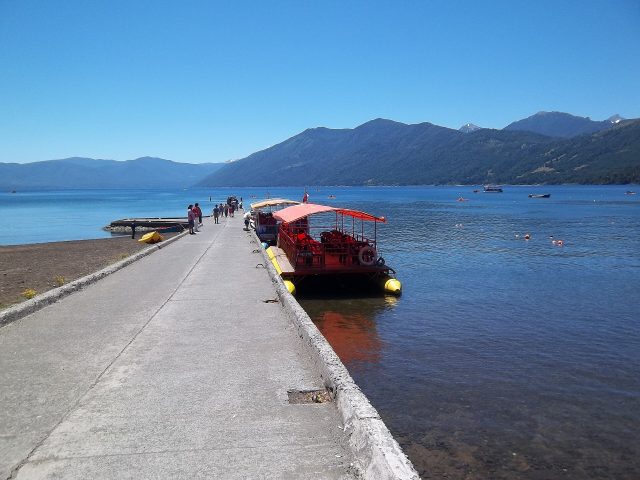
Yet the park offers far more than just the volcano. Lake Caburgua, for instance, is a hidden gem, its waters so transparent they seem to vanish into the surrounding forest. The lake is ringed by steep cliffs and dense woodland, creating an almost otherworldly atmosphere. Locals speak of a rare fish, the *pulche*, said to live only in these waters, though whether the stories are true or simply part of the lake’s mystique is hard to say. Nearby, the Oso Waterfall crashes down from a height of nearly a hundred feet, its roar echoing through the valley. On sunny days, the mist from the falls catches the light, painting rainbows in the air.
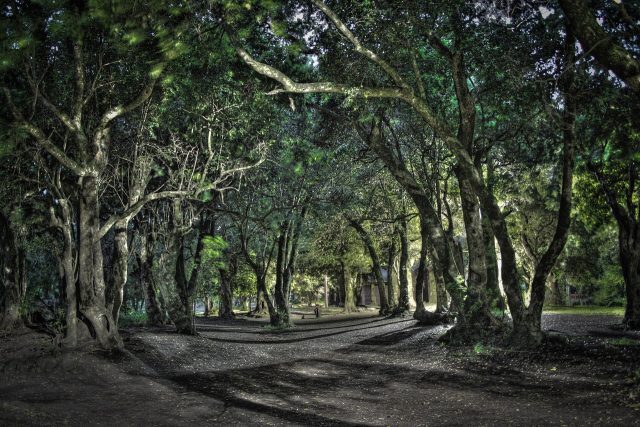
The forests of Villarrica are a world unto themselves. Towering araucaria trees, some of which have stood for centuries, dominate the landscape, their gnarled branches reaching toward the sky like something from a prehistoric era. These ancient forests are home to a surprising variety of wildlife—pumas, foxes, and even the elusive kodkod, one of the smallest wildcats in the Americas. Birdwatchers will find plenty to admire, too, from the iridescent hummingbirds darting between flowers to the Andean condors soaring high above the peaks. The park changes dramatically with the seasons. In winter, snow blankets the ground, turning the slopes of Villarrica into a playground for skiers and snowboarders. The resort here is one of Chile’s most popular, drawing everyone from beginners to seasoned athletes. Come summer, the forests come alive with hikers, mountain bikers, and those simply looking to lose themselves in the quiet rhythm of the wilderness.
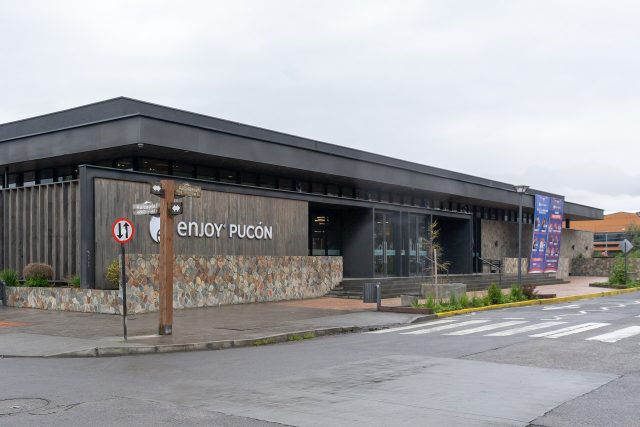
Pucón, the small town that serves as the gateway to the park, has a charm all its own. It’s not a place of grand hotels or bustling nightlife, but rather a quiet, unassuming town where life moves at the pace of the surrounding nature. Low-slung buildings line the streets, their wooden facades blending into the landscape. Cafés and small shops sell handmade wool textiles and carved wooden souvenirs, while the scent of freshly brewed coffee drifts from open doors. The town’s mood shifts with the seasons—lively in summer when tourists fill the streets, quieter in winter when the focus turns to the mountains. Locals are used to visitors and are always ready with a recommendation, whether it’s the best trail for a day hike or the coziest spot to watch the sunset over the volcano.
What makes Villarrica National Park special is its refusal to soften its edges. There are no manicured paths or artificial attractions here, just the raw, unfiltered beauty of the natural world. Whether you’re standing at the summit of the volcano, wading into the icy waters of a mountain lake, or simply sitting by a fire in the forest, the park has a way of making you feel small in the best possible sense. It doesn’t cater to expectations; it simply exists, vast and unyielding, offering itself to those willing to meet it on its own terms. For travelers who come to Chile not for beaches or resorts but for something real, Villarrica delivers. It’s a place where the earth still feels alive, where every step is a reminder of how little we control and how much there is left to discover.