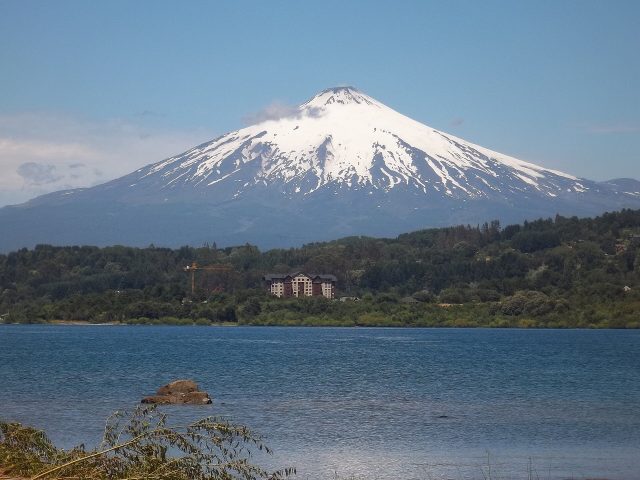
Pucón’s casino is the kind of place that quietly reminds you how a holiday can shift from peaceful to playful. Tucked into the heart of this lakeside resort town, it blends into the landscape where the Andes meet Lake Villarrica, the stillness of the mountains contrasting with the murmur of conversation inside. Pucón itself is a place of contrasts—daytime belongs to hikers, hot springs, and volcano climbs, but when evening falls, many find their way here, drawn by the promise of cards and roulette.
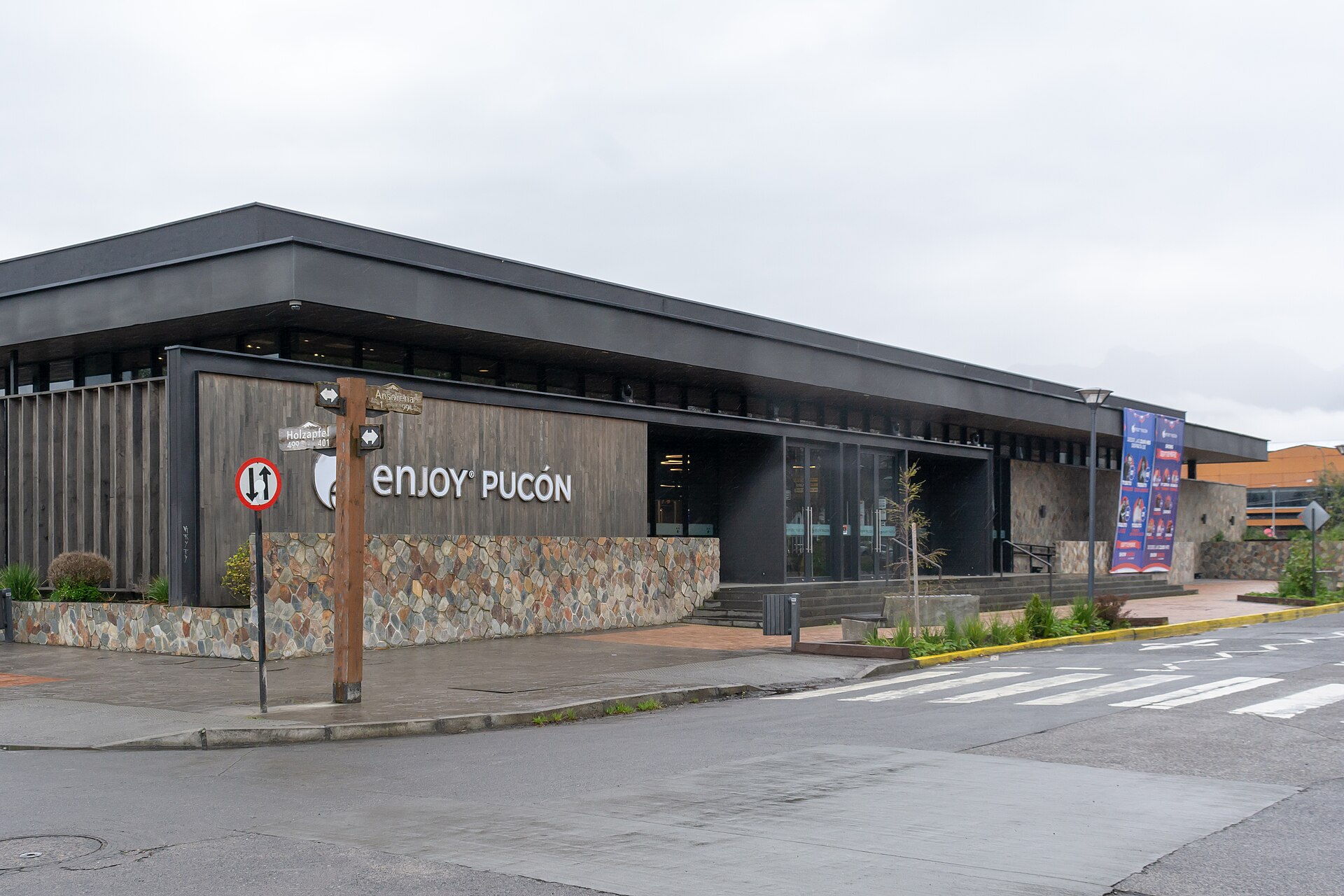
The building doesn’t look like a traditional casino. There’s no gilded opulence or marble grandeur, just a warm, lodge-like structure with wooden beams and large windows framing the surrounding scenery. The architecture is understated, almost modest, designed to feel welcoming rather than imposing. Inside, the space is open and bright, with enough room to move comfortably even on busy nights. It’s the kind of place where you can linger without feeling crowded, whether you’re playing or just watching.
The casino’s history is tied to Pucón’s evolution as a tourist destination. In the mid-20th century, the town was little more than a quiet outpost, its economy built on farming and logging. But as travelers began to discover the region’s natural beauty—volcanoes, lakes, and thermal springs—local leaders saw an opportunity. The casino wasn’t just a business venture; it was part of a strategy to turn Pucón into a year-round destination. Today, it remains one of the few legal gambling spots in Chile, a quiet but persistent draw for those looking for something beyond outdoor adventures.
There’s none of the high-stakes tension you might expect from Las Vegas or Monte Carlo. People come here less for the chance of a big win and more for the experience itself. The crowd is a mix of locals and visitors—Chileans, Argentinians, Europeans—many of whom stop by after a day spent hiking or soaking in hot springs. The games are standard—roulette, blackjack, poker, slot machines—but the atmosphere is what sets it apart. It’s relaxed, almost casual, without the pretension or pressure you might find elsewhere.
The casino stays open late, fitting into Pucón’s rhythm. Evenings here don’t wind down; they simply change pace. After sunset, visitors return from their adventures, have dinner at one of the town’s restaurants, and some eventually drift here to pass the time before bed. There’s no dress code, no expectation of formality—you can walk in wearing jeans and a sweater, and no one will bat an eye. The bar serves Chilean wine and local beer, a way to unwind after a round of play.
What’s less obvious is the casino’s role in the town’s infrastructure. A portion of its revenue goes back into the community, supporting tourism development, local businesses, and even charitable projects. It’s not something that’s heavily promoted, but it’s not a secret either. Many residents see the casino as more than just a place to gamble; it’s a small but steady part of the local economy.
For first-time visitors, the casino can be a surprise. It doesn’t demand attention like the town’s main attractions, and that’s part of its charm. There are no crowds snapping photos, no guides recounting its history. Just a quiet evening, soft lighting, and the chance to lose track of time for a while. Some leave with winnings, others with nothing, but most walk away feeling like they’ve experienced something unhurried and real.
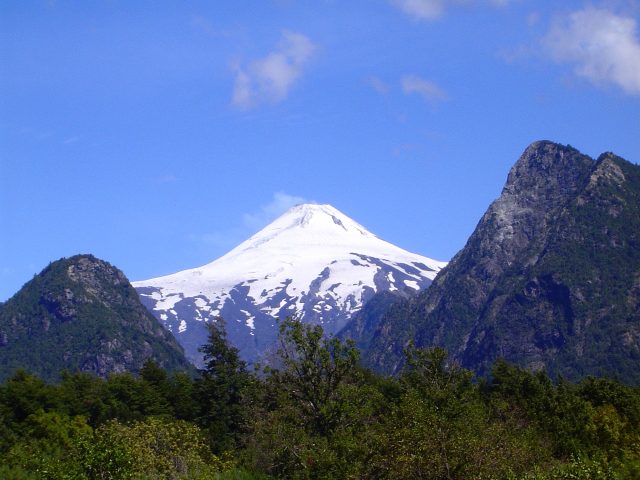
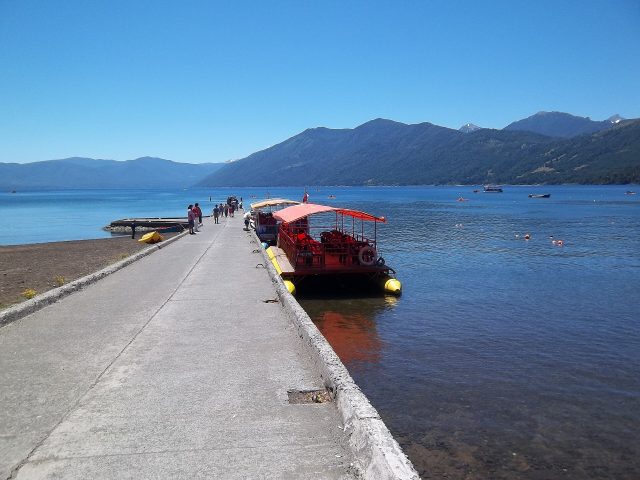
Of course, the casino is just one piece of Pucón’s story. The town has its own rhythm, and the gambling hall is only a small part of it. Mornings bring hikes to waterfalls, climbs up Villarrica Volcano, and soaks in thermal pools. But when the sun dips behind the mountains and Lake Caburgua darkens, those who stay in town often find themselves back here. There’s something almost inevitable about it—the casino isn’t just a place to gamble, but another way to settle into the pace of this corner of Chile.