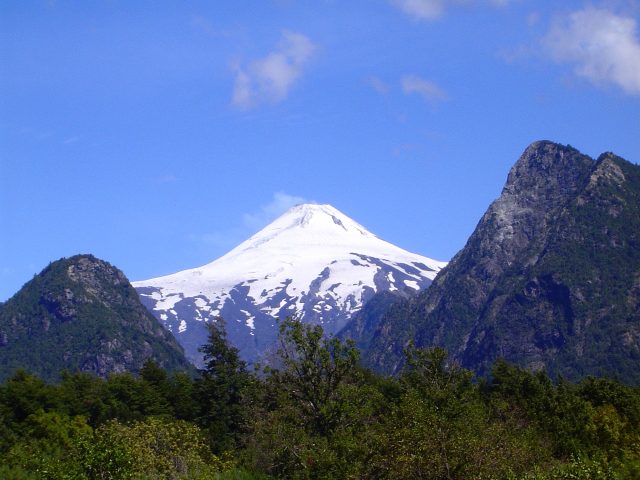
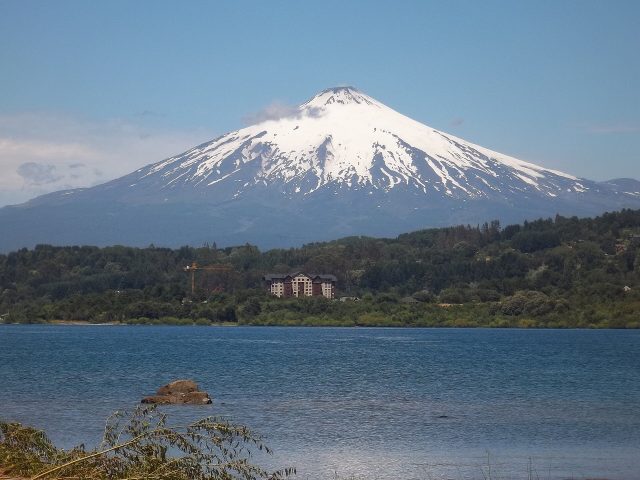
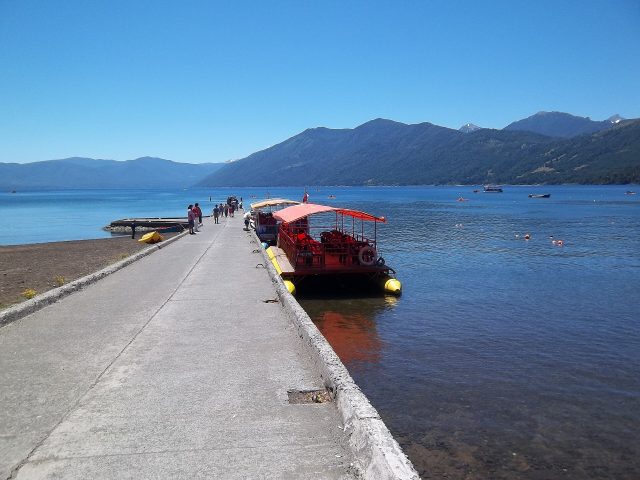
Pucón sits quietly at the edge of Chile’s Lake Villarrica, a town that feels more like a gateway than a destination. It’s the kind of place where the air carries the scent of pine and damp earth, where the horizon is dominated not by skyscrapers but by the snow-capped silhouette of Villarrica Volcano. The town’s namesake beach stretches along the lakeshore, a stretch of dark sand that tells the story of the land’s volcanic past. Unlike the crowded coastal resorts further north, this isn’t a place for sunbathers packed shoulder to shoulder. Here, the lake is the main attraction, its waters shifting from deep blue to silver depending on the light, its surface sometimes calm, sometimes rippled by the wind that sweeps down from the Andes.
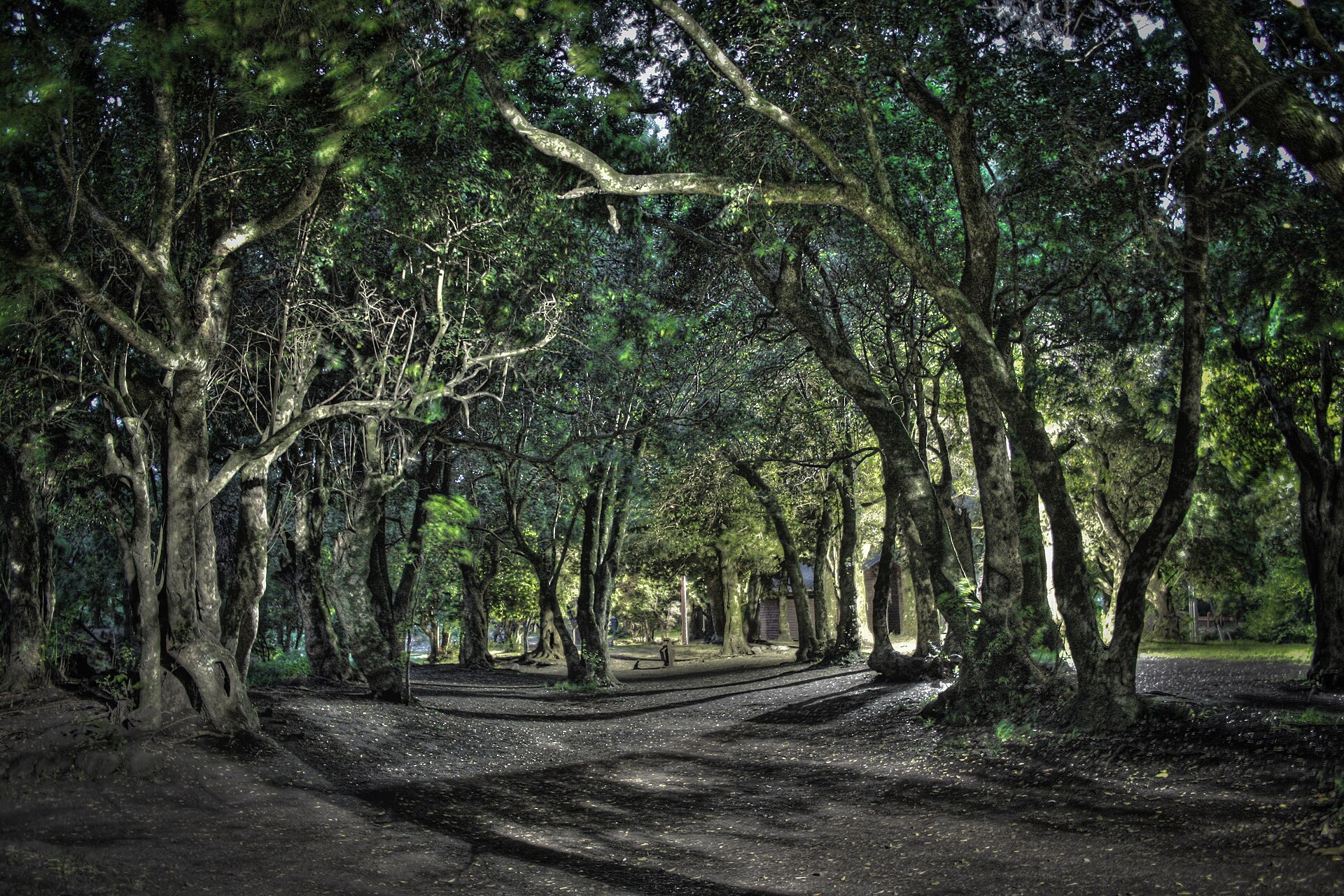
The sand itself is unusual—almost black, fine but gritty underfoot, a reminder of the eruptions that shaped this landscape long ago. On hot days, it absorbs the sun’s heat so thoroughly that walking barefoot becomes a challenge, but in the early morning or late afternoon, it’s cool and pleasant. The beach starts near the town’s waterfront, where a few cafés and small shops cater to visitors, then gradually gives way to wilder stretches where the only sounds are the rustle of reeds and the occasional call of a bird. Locals often come here with picnic baskets and grills, setting up under the shade of eucalyptus trees while children play near the water’s edge. Even on weekends, the beach never feels overrun, just comfortably lived-in.
Lake Villarrica is more than just a scenic backdrop—it’s the heart of the town’s rhythm. In summer, the water is alive with activity: kayaks glide across the surface, wakeboarders cut through the waves, and parasails lift off from the shore, offering a bird’s-eye view of the volcano. The lake is cold, fed by mountain streams, but on a warm day, it’s refreshing rather than shocking. Those who prefer to stay dry can stretch out on the sand, watching the play of light on the water or reading under the dappled shade of the trees. When winter arrives, the lake grows quieter, its surface occasionally dusted with frost, and the beach empties, leaving only the wind and the distant rumble of the volcano.
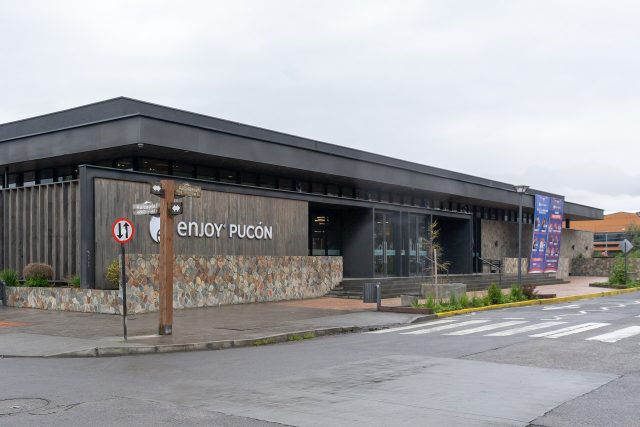
The history of Pucón is woven into this landscape. Long before the town existed, the Mapuche people lived here, revering the volcano and the lake as sacred. They called Villarrica *Rucapillán*, the House of the Spirit, a name that still carries weight in the way locals speak about the mountain. When settlers arrived, they built a town that blended into the surroundings rather than imposing on them. Today, Pucón is a hub for travelers, but it hasn’t lost its unassuming character. The buildings are low and made of wood or stone, designed to withstand earthquakes and blend into the forest. There are no high-rises, no neon signs—just a quiet acknowledgment that the real attraction lies outside, in the land itself.
For many, the beach is just the beginning. From here, trails lead to waterfalls hidden in the forest, to hot springs where the water steams against the cool mountain air, and to national parks where the wilderness feels untouched. Villarrica Volcano looms over everything, its slopes a mix of snow and volcanic rock even in summer. Climbing to the summit is a serious undertaking, requiring stamina and a guide, but the reward is a view that stretches across lakes and valleys to the distant peaks of the Andes. Those who prefer a gentler experience can take the chairlift partway up the mountain or hike one of the easier trails near the base, where the air smells of wildflowers and damp earth.
Evenings at the beach have a magic of their own. As the sun dips behind the mountains, the sky turns shades of pink and gold, and the volcano’s reflection in the lake seems to glow from within. Sometimes, groups of friends gather around small fires, cooking meat over the flames and passing around bottles of local wine. The laughter carries across the water, mingling with the sound of waves lapping against the shore. It’s the kind of place where time feels slower, where the hours stretch out without urgency. Maybe that’s why people keep coming back—not for the amenities, but for the sense of being part of something larger than themselves.
There are no luxury resorts here, no beachfront bars with DJs or infinity pools. That’s not what Pucón is about. Instead, visitors find small guesthouses run by families who know the area inside out, or cabins tucked into the woods where the only sounds are the wind in the trees and the distant call of a loon. The food is simple but good—fresh trout from the lake, grilled over open flames, or hearty stews made with local ingredients. In the mornings, cafés serve strong coffee and pastries, and in the evenings, the smell of woodsmoke and roasting meat fills the air. It’s the kind of place where you don’t need an itinerary; you can just wander, letting the landscape guide you.
This isn’t a destination for those seeking nightlife or glamour. Pucón moves to the rhythm of the natural world—waking with the sun, slowing down in the afternoon heat, settling into quiet as the light fades. It’s a place where the days feel longer, where the boundaries between town and wilderness blur. For travelers who’ve grown tired of crowded beaches and overdeveloped resorts, it offers something rare: a chance to step into a landscape that feels both ancient and alive, where the volcano’s presence is a constant reminder of the earth’s power, and the lake’s stillness invites reflection. It’s not the Chile of postcards, but the Chile that lingers in memory long after the trip is over.