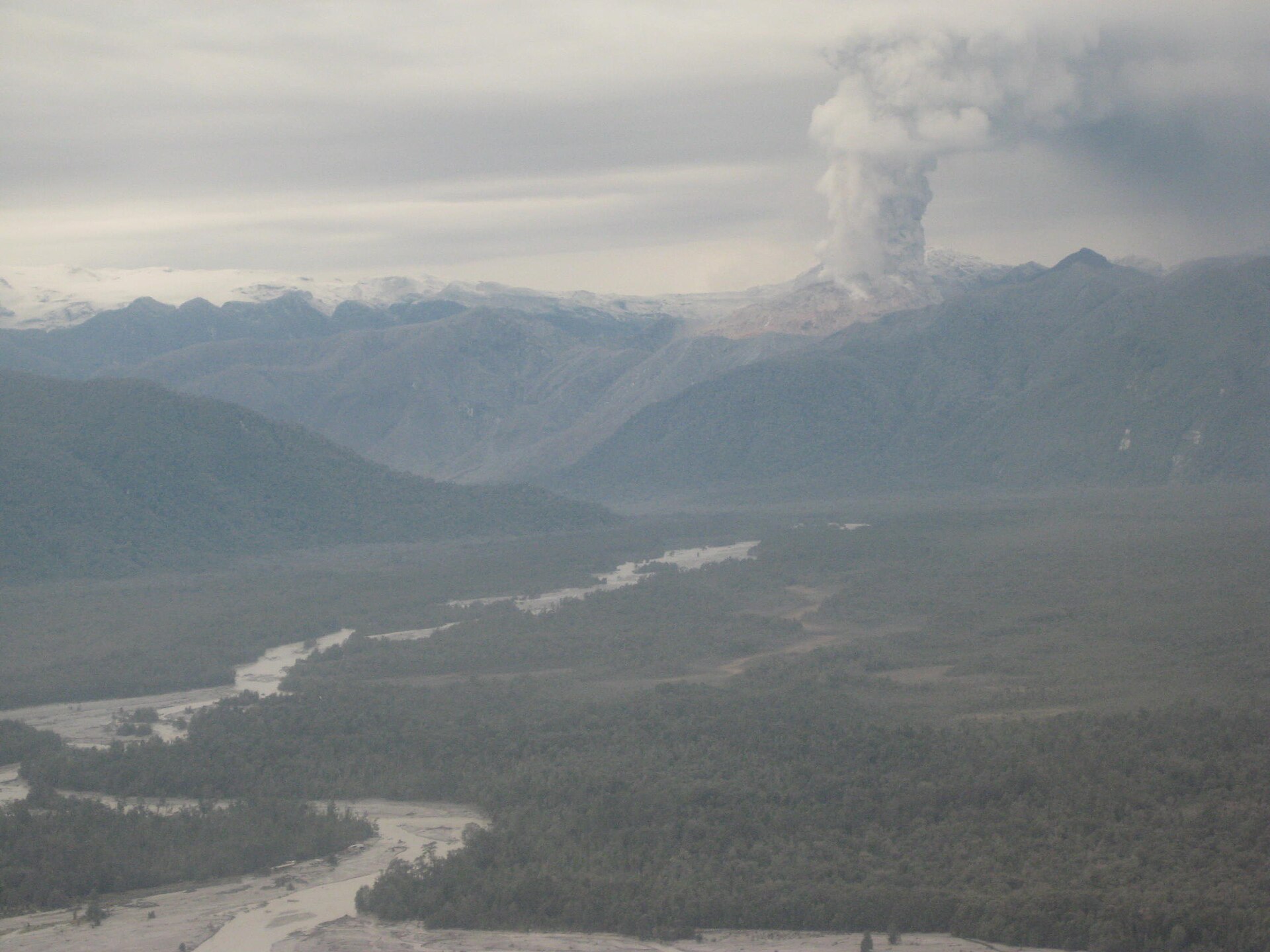
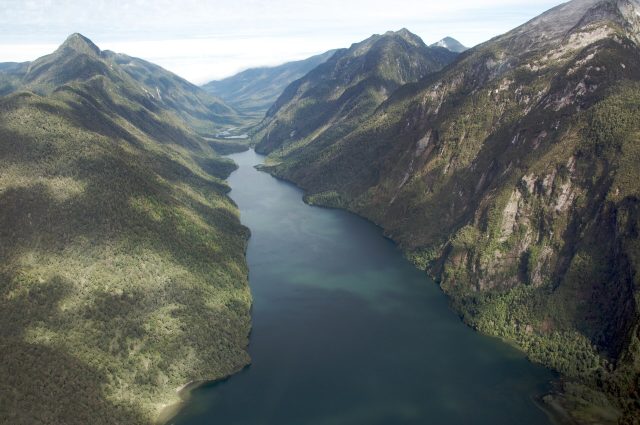
In southern Chile, Chaitén Volcano stands where time seems to pause. Near the town of the same name, it rises from Patagonia’s dense forests and rugged mountains. The air carries the scent of damp earth and pine, while the wind and distant birds break the silence. For decades, it was dormant—until May 2008, when it erupted without warning, altering the landscape and the lives of those nearby.
The volcano was once overlooked. Its slopes were thick with forests, its summit often hidden in clouds. Then the ground trembled. Small earthquakes led to a violent explosion, sending ash skyward. Within days, the town of Chaitén was buried under volcanic debris, rivers changed course, and roads vanished beneath floodwaters. A quiet settlement of fishermen and loggers became unrecognizable overnight.
The 2008 eruption was one of Chile’s most destructive in modern history. Ash spread for hundreds of kilometers, reaching Argentina and disrupting air travel. Residents were evacuated, and many never returned. The government deemed the area too dangerous. Today, Chaitén exists between past and present—a ghost town where nature reclaims what was lost. The volcano has returned to dormancy, but its slopes bear the scars: barren stretches of ash and hardened lava. Vegetation returns in patches, but the land remains raw.
For scientists, Chaitén is a rare case. Its eruption offered a chance to study rhyolitic volcanoes, which are uncommon and poorly understood. Researchers collect rock samples, analyze ash deposits, and study how such events unfold. The volcano is an open-air laboratory, revealing the forces that shape the planet. Data gathered here may help predict future eruptions elsewhere.
Visitors to Chaitén find a landscape like no other. The road winds through desolate stretches where skeletal trees push through ash, and rivers carve new paths. Local guides tell stories of the town before the eruption—how people tried to save what they could, how some returned despite evacuation orders. The volcano itself is unassuming, its summit often shrouded in mist. There are no crowds, no tourist traps, just the wind, the mountains, and the weight of recent history.
This isn’t a place for those seeking postcard-perfect scenery. Chaitén forces you to confront nature’s unpredictability. Patagonia is known for glaciers and turquoise lakes, but here, it reveals a different side—where landscapes are constantly remade. The volcano reminds us that beauty and destruction often go hand in hand. It hasn’t become a typical tourist attraction, and it may never will. But for those drawn to places where the earth feels alive in ways both awe-inspiring and unsettling, Chaitén offers something unforgettable: a glimpse of the raw forces that shape this part of the world—and will continue long after we’re gone.