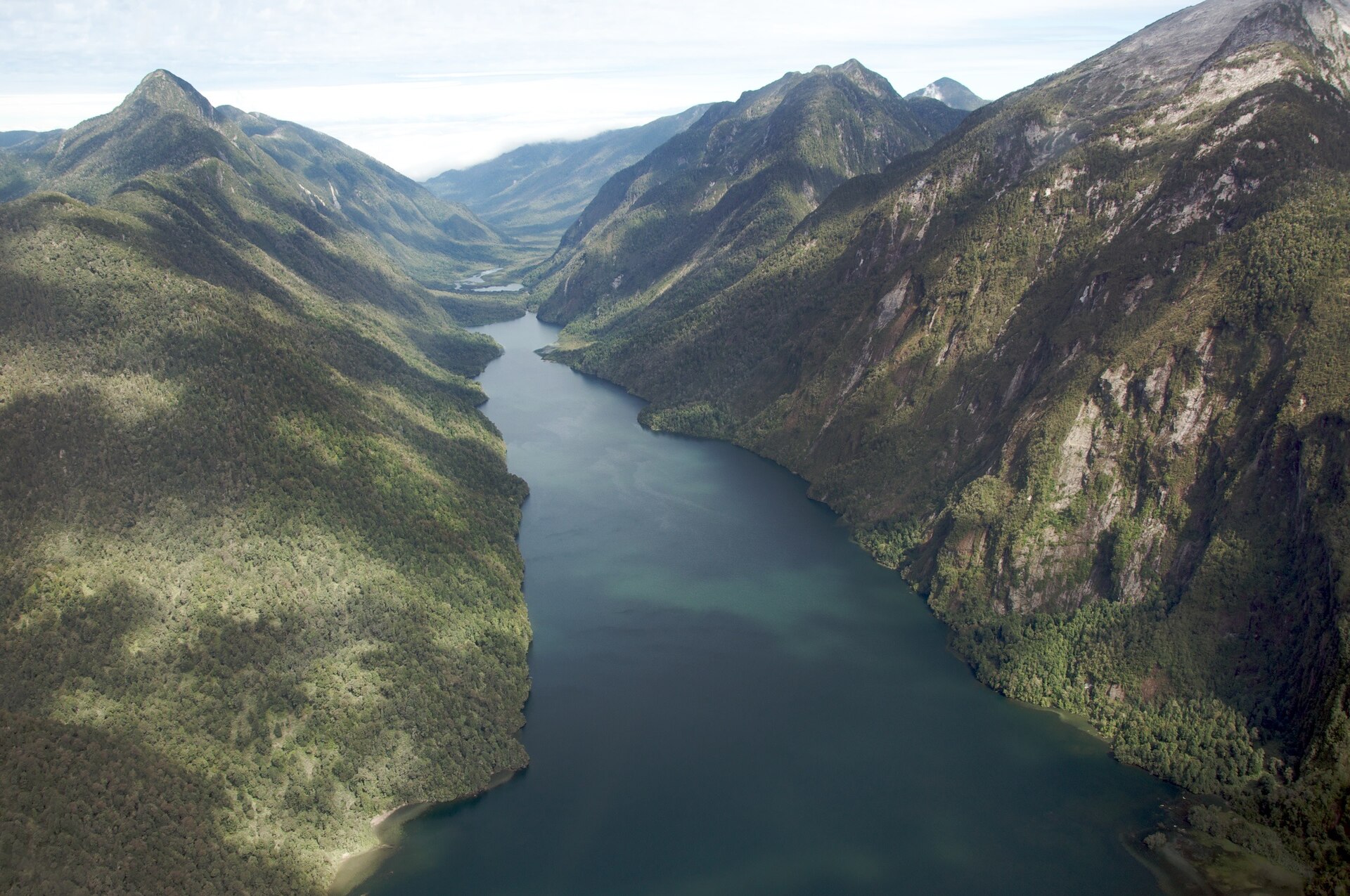
Pumalín is one of those rare places where nature still sets the rules, and humans are merely visitors. Tucked away in southern Chile, not far from the small town of Chaitén, this vast park spans thousands of hectares of untouched forests, volcanic valleys, and rivers so clear they seem to flow straight from the sky. It wasn’t created to draw crowds or offer luxury—just the opposite. Here, the land feels untouched by time, where every rustling leaf, every rushing stream, and even the air itself carries the quiet weight of something ancient and untamed.
The story of Pumalín began in the 1990s, when American entrepreneur Douglas Tompkins, the founder of The North Face and Esprit, purchased the first parcels of land. His vision wasn’t to build resorts or turn the wilderness into a playground. Instead, he wanted to protect it—from logging, from development, from the slow creep of human interference. Over the years, the project grew, and by the early 2000s, Pumalín had become one of the largest private nature reserves in the world. In 2018, the Chilean government took over its management, designating it a national park, but the spirit of the place remained unchanged. This is a landscape where nature comes first, not profit.
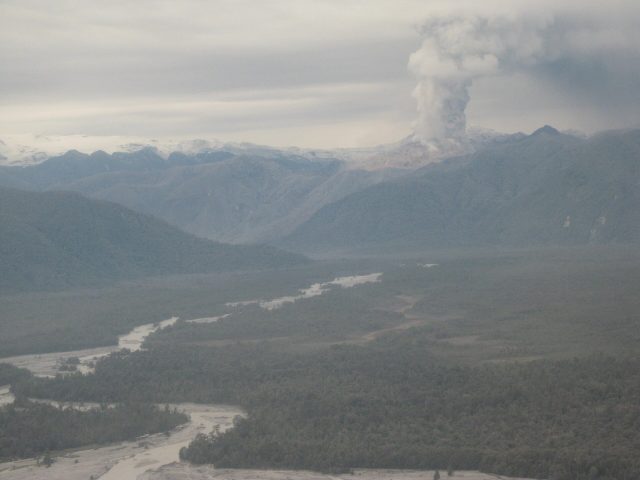
The terrain here is as varied as it is dramatic. Dense Valdivian rainforests, home to towering *coihue* and *lenga* trees, give way to open meadows where guanacos graze. The Chaitén Volcano, which erupted unexpectedly in 2008, still bears the scars of that event—its slopes blanketed in ash, a stark reminder of how fragile the balance between man and nature can be. Rivers cascade down from the Andes, feeding waterfalls and lakes that mirror the sky. The air is crisp, the silence broken only by the wind and the distant call of birds.
The trails in Pumalín aren’t just paths—they’re invitations to step into a world that moves at its own pace. One of the most famous leads to the Ventisquero waterfall, where water plunges from a great height, sending up a mist that hangs in the air. Another takes hikers to the Michinmahuida Glacier, one of the most accessible in the region. The walks here aren’t strenuous, but they’re not easy either. The ground can be slick, the weather unpredictable. Yet those who venture out are rewarded with sights few people ever see—places where the hand of man feels distant, almost forgotten.
The park’s flora and fauna are as unique as the landscape itself. Some of the trees here are centuries old, their gnarled roots gripping the earth like ancient fingers. Rare plants thrive in the damp underbrush, while in the higher elevations, hardy shrubs cling to rocky outcrops. Wildlife is elusive but present. Pumas, the park’s namesake, roam the forests, though sightings are rare. More common are foxes, deer, and the occasional condor soaring overhead. The rivers teem with trout and salmon, drawing anglers who come not just for the catch, but for the chance to stand in a place where the water runs wild and free.
There’s a quiet tension in Pumalín—a sense of peace mixed with the awareness that nature is still in charge. The silence is profound, broken only by the rush of water or the cry of a bird. Yet there’s also an unspoken understanding that this is not a place to be conquered, but one to be respected. The park has no grand lodges or tourist hubs, just a handful of simple campsites and guesthouses where visitors can spend the night. It’s a place for those willing to trade comfort for the chance to experience something real.
Unlike many national parks, Pumalín doesn’t offer neatly packaged experiences. There are no guided tours with set itineraries, no visitor centers with glossy brochures. Instead, the park invites you to wander, to choose your own path. Some come for a day, following a trail into the heart of the forest. Others stay for weeks, exploring the farthest corners of the reserve. The only rule is to remember that you’re a guest here, not an owner.
For many, Pumalín represents a different kind of conservation—one that doesn’t fence off nature or turn it into a spectacle. There are no signs warning you to stay on the path, no barriers keeping you at a distance. But there’s an unspoken agreement: take only photographs, leave only footprints. That’s why the park attracts those who seek more than just a view. In a world where so many wild places are disappearing, Pumalín remains a reminder of what it means to step back and let nature be.