The Würzburg Residence is one of Europe’s most extraordinary examples of Baroque architecture, standing at the heart of the historic Franconian city of Würzburg. Commissioned in the early 18th century by Prince-Bishop Johann Philipp Franz von Schönborn, it was conceived not merely as a palace but as a grand statement of power and prestige. The vision was brought to life by architects Johann Lukas von Hildebrandt and Balthasar Neumann, who created a masterpiece blending opulence, architectural harmony, and groundbreaking engineering.
The building’s façade is a striking display of grandeur and refinement. Its central section is adorned with columns, statues, and intricate stucco work, each detail reflecting the ambition and taste of its patrons. Inside, the Residence unfolds in a series of lavish halls, ceremonial staircases, and private chambers, each designed to dazzle the eye. The most remarkable feature is Neumann’s grand staircase, an engineering marvel of its time. Its vast vaulted ceiling appears to float without support, a testament to the innovative techniques that set it apart from anything built before.
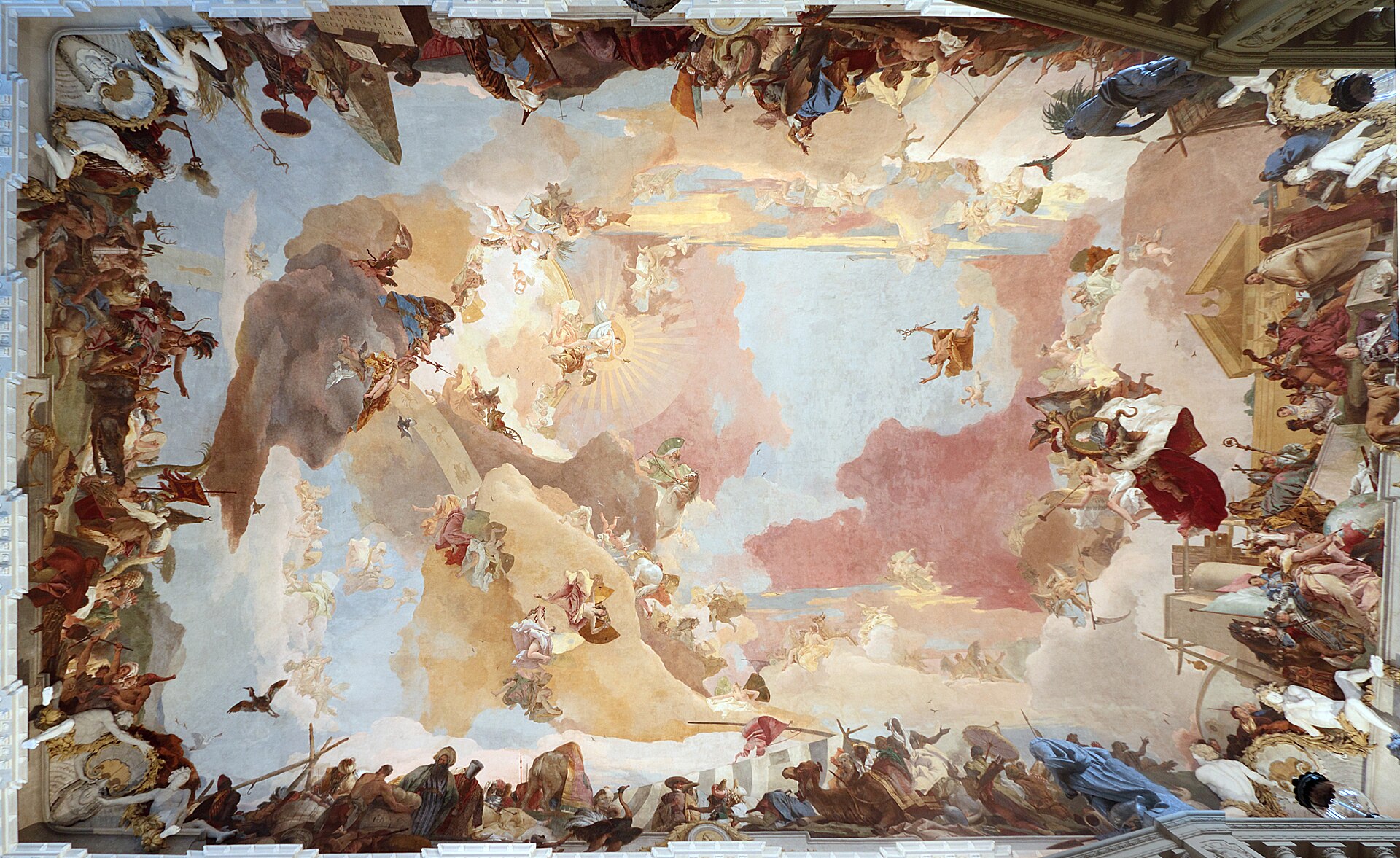
The interiors are a celebration of art, with walls and ceilings covered in frescoes by some of the era’s greatest masters. Among them, Giovanni Battista Tiepolo stands out, his work considered a pinnacle of 18th-century monumental painting. The ceiling of the Imperial Hall depicts an allegory of the four known continents, a composition that still captivates with its mastery of light, movement, and spatial illusion. Every room carries its own theme and mood—from the restrained elegance of the White Hall to the enchanting play of reflections in the Mirror Cabinet, where light and glass create an almost magical atmosphere.
For centuries, the Würzburg Residence was more than a princely home; it was the political and cultural heart of Franconia. Here, rulers received dignitaries, hosted lavish banquets, and conducted diplomacy. The palace endured occupation during the Napoleonic Wars and suffered severe damage in World War II, when Allied bombing left much of it in ruins. Yet through decades of meticulous restoration, the Residence was painstakingly returned to its former glory, allowing visitors today to experience its splendor firsthand.
The surrounding gardens offer another layer of beauty, designed in the formal Baroque style with manicured lawns, fountains, and sculptures. In summer, the grounds are a peaceful retreat, while winter transforms them into a serene, almost fairy-tale landscape. The harmony between architecture and nature here is seamless, reinforcing the Residence’s role as a place where art and environment exist in perfect balance.
Today, the Würzburg Residence remains a living cultural space. It hosts classical concerts, exhibitions, and academic conferences, drawing visitors from around the world. Stepping inside is like entering another era, where the ideals of Baroque art and power come to life. Each room, each detail, tells a story of the people who shaped this place—how they lived, what they valued, and how they sought to leave their mark on history.
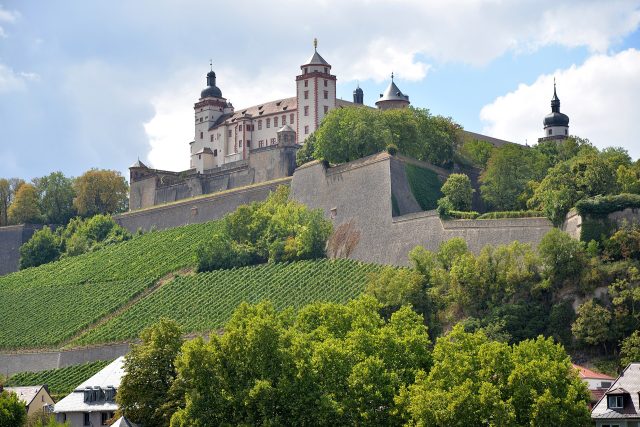
Würzburg itself is a city where medieval charm meets Baroque grandeur, and where the legacy of Franconian winemaking adds another layer to its appeal. Yet the Residence stands apart as its crowning jewel, a destination worth traveling for. It is more than a monument; it is a testament to human creativity and ambition, a place where beauty endures across centuries. Time has not diminished its allure—if anything, it has only deepened the sense of wonder it inspires.