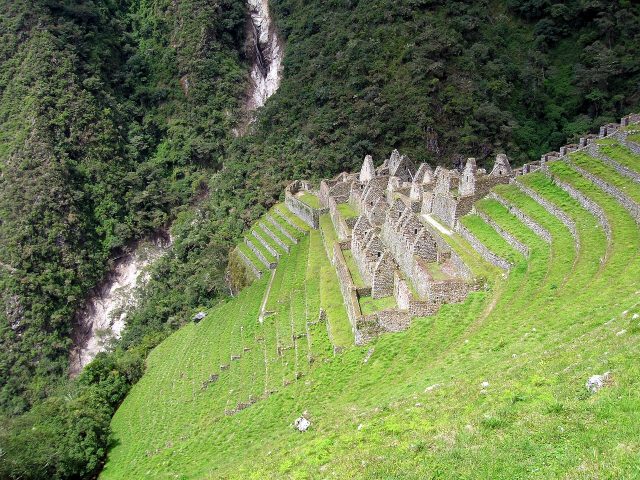
Vitcos is one of those rare places in the Andes where you come not for crowds or comfort, but for silence, history, and the strange sense that time has somehow paused here. Tucked away in Peru’s green valleys, these ruins were once the last stronghold of the Inca resistance against Spanish conquest. Today, little remains beyond stone walls, terraces, and foundations, yet even in this state, Vitcos holds the memory of the dramatic events of the 16th century, when the Inca Empire crumbled under the pressure of the conquistadors.
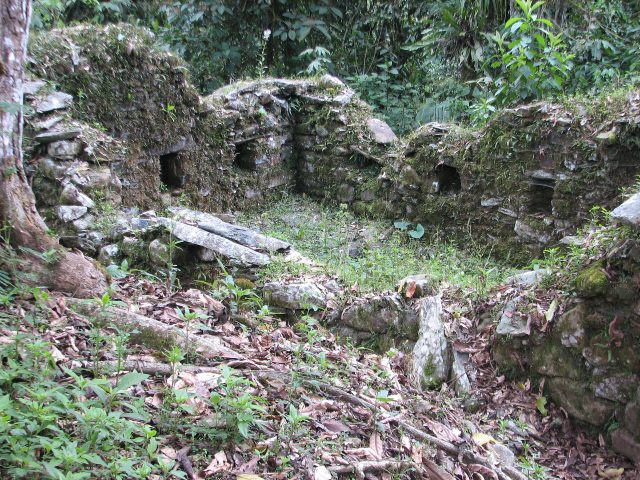
The city was founded in the late 15th century during the reign of Inca Tupac Yupanqui, but its true significance came later, when it became a refuge for Manco Inca Yupanqui—the last ruler to attempt restoring Inca independence. After the fall of Cusco, Manco Inca retreated into the jungle, establishing Vitcos as a temporary capital. From here, he led a guerrilla war against the Spanish until 1544, when he was betrayed and killed by his own allies. With his death, the city lost its purpose, and nature slowly reclaimed it.
Perched at nearly 2,900 meters above sea level, Vitcos is surrounded by dense forests and mountain slopes. Reaching it isn’t easy—first, you travel to the small town of Lucaymarca, then continue on foot or by mule along winding trails through the hills. But this remoteness is what makes Vitcos special. There are no souvenir stalls, tour guides with megaphones, or crowds of tourists. Just the wind rustling through the grass and the occasional cry of a bird breaking the silence.
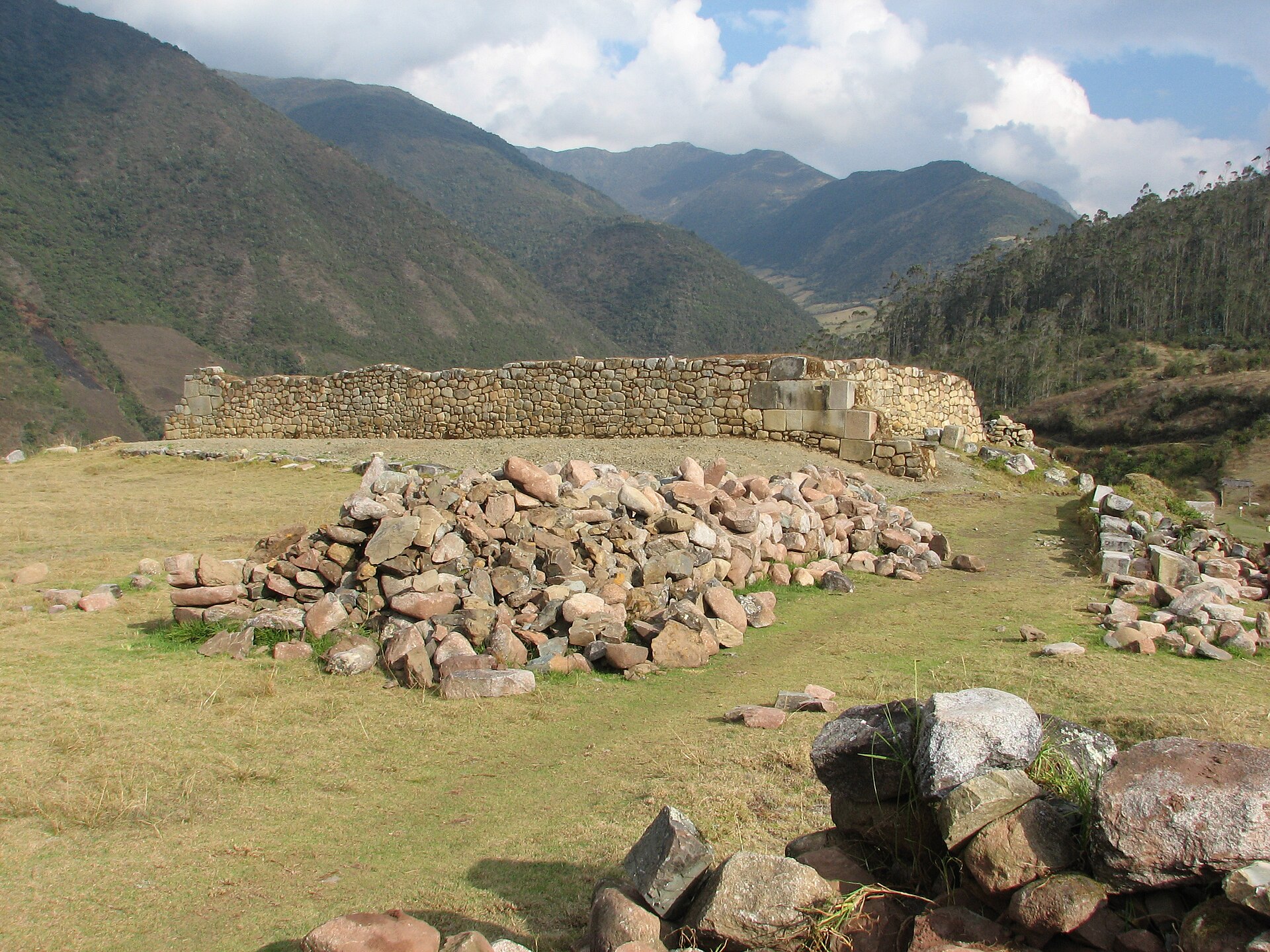
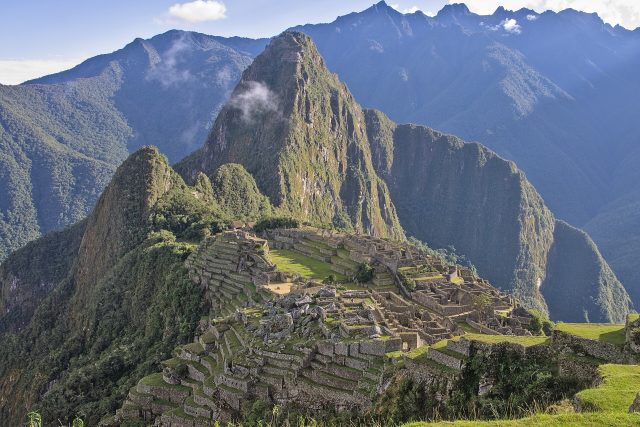
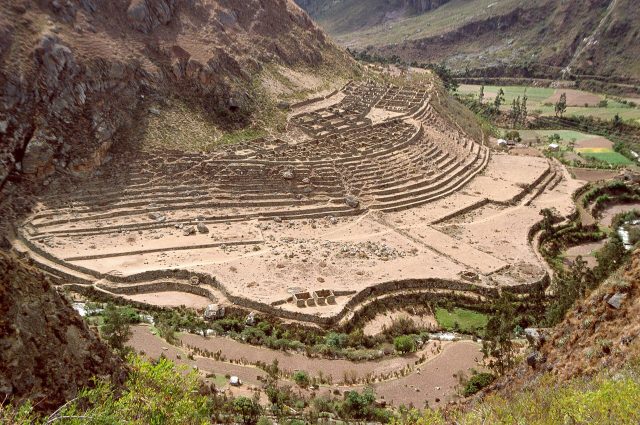
The architecture of Vitcos reflects the urgency of its construction. Unlike the precise stonework of Machu Picchu or Sacsayhuaman, the walls here are rougher, built in haste under the pressures of war. The ruins include residential quarters, storehouses, temples, and what may have been Manco Inca’s palace. The most striking feature is the Ushnu, a ceremonial platform offering sweeping views of the valley. It’s believed this was where rituals were performed and critical decisions made during the resistance.
Local legends still speak of treasures hidden by Manco Inca before his final retreat into the jungle—golden statues and jewels buried somewhere in the surrounding hills. No one has ever found them, and perhaps they never existed, but the stories add to the mystery of the place. Even without buried riches, Vitcos is compelling in its own right, a silent witness to the final days of an empire.
Unlike many archaeological sites, Vitcos remains largely untouched. There are no restorations, fences, or tourist infrastructure. It’s a place for those willing to put in the effort to see history in its raw, unpolished form. No signs, no informational plaques—just stones, grass, and sky. This lack of intervention is what makes Vitcos feel so authentic.
Visiting Vitcos isn’t just a sightseeing trip; it’s more like stepping into the past. Standing among these ancient walls, it’s easy to imagine the bustle of life here—warriors preparing for battle, priests conducting rituals, Manco Inca receiving envoys. Now, the place is empty, but the echoes of that time still linger in the air. That’s why Vitcos draws those who seek more than just landmarks; it offers a real connection to history.
If you decide to come here, be prepared for a challenging journey. The roads are rough, the weather unpredictable, and infrastructure nearly nonexistent. But those who make the effort are rewarded with something rare—a sense of having visited a place where few modern travelers ever set foot. In a world that often feels mapped and explored, Vitcos reminds us that there are still corners where the past hasn’t been smoothed over for tourists, where history remains untamed.