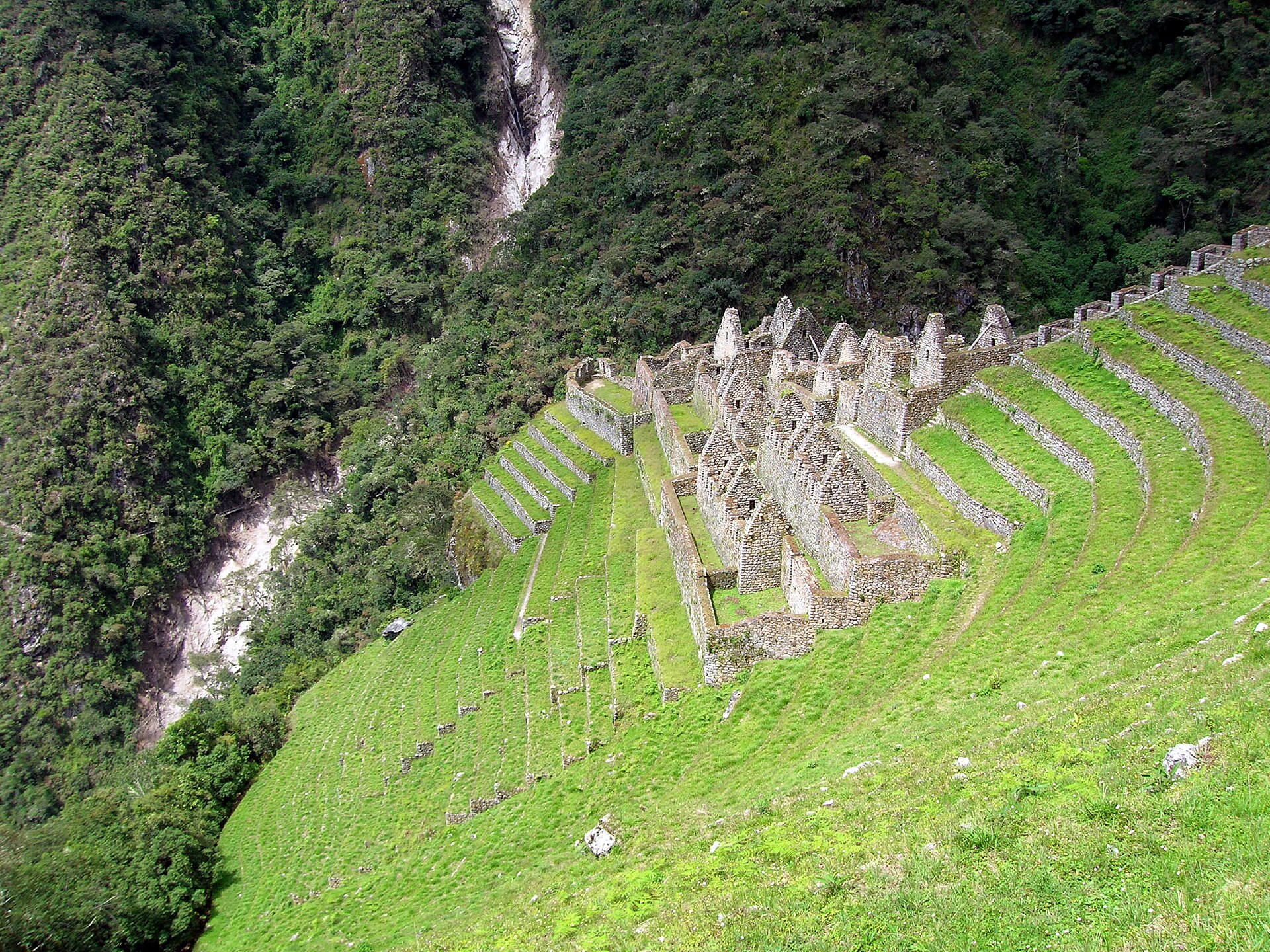
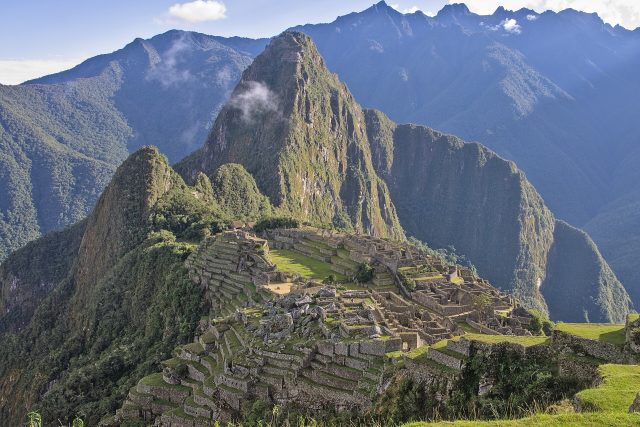
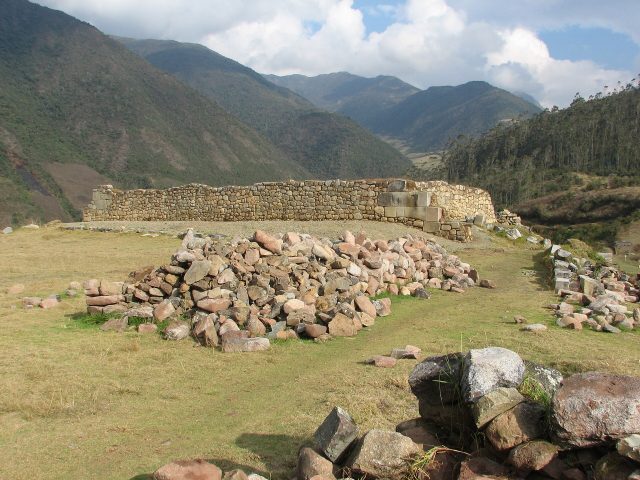
Winay Wayna feels like a secret whispered between travelers who’ve wandered beyond the usual paths. Tucked into the Urubamba Valley, just a stone’s throw from Machu Picchu, this Inca ruin lingers in the shadow of its more famous neighbor, yet those who make the journey here discover something far more intimate. The site sits on a steep hillside, its terraces cascading down like steps carved by time itself, surrounded by dense jungle and the kind of silence that makes history feel alive. There’s no grand entrance, no crowds, just the quiet persistence of stone and earth, as if the place has been waiting for someone to notice it again.
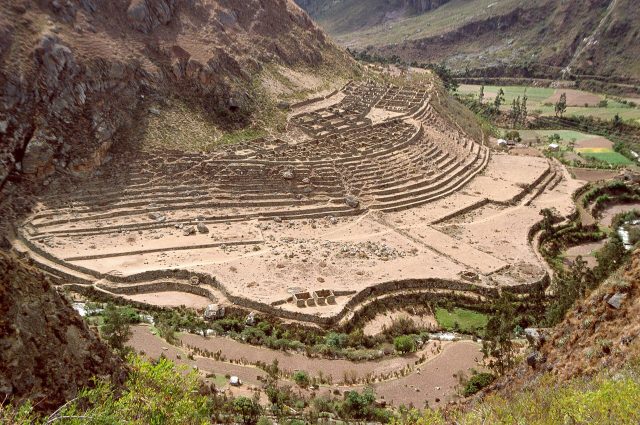
The name Winay Wayna comes from Quechua, often translated as "forever young" or "eternally youthful." It’s an apt description—not just for the way the ruins have endured, but for the sense of discovery that lingers here. Built in the 15th century, the site’s exact purpose remains unclear. Some believe it was an agricultural hub, its terraces once lush with maize or coca, crops vital to the Inca way of life. Others suggest it was a resting place for nobility traveling to Machu Picchu, or perhaps a ceremonial outpost. The ambiguity only adds to its allure; without definitive answers, the imagination fills in the gaps, turning each crumbling wall into a story half-told.
The architecture is unmistakably Inca, yet Winay Wayna has its own character. The precision of the stonework is striking—blocks fitted together so tightly that not even a blade of grass can slip between them. The terraces, a hallmark of Inca engineering, cling to the mountainside, a testament to how this civilization shaped the land to their needs. At the heart of the complex lies a small plaza, flanked by what might have been living quarters, storage rooms, and possibly a temple or observatory. The layout feels deliberate, almost sacred, as if every stone was placed with purpose. Unlike the grand temples of Cusco or the iconic silhouette of Machu Picchu, Winay Wayna feels more human in scale, a place where daily life and ritual once intertwined.
Reaching Winay Wayna is part of the experience. There’s no road leading here, no shuttle service—just a winding trail that begins in the village of Q’illqabamba and climbs through cloud forest and open pasture. The hike takes several hours, the path narrowing as it ascends, the air growing thinner. It’s not an easy walk, but the effort makes the arrival all the more rewarding. When the ruins finally come into view, it’s as if the landscape itself has been holding its breath. The terraces unfold below, the stones glowing in the afternoon light, and for a moment, it’s easy to forget the modern world exists. The only sounds are the rustle of leaves and the distant call of a bird, the kind of quiet that lets you hear your own thoughts.
What sets Winay Wayna apart from other Inca sites is its solitude. There are no tour groups here, no vendors hawking souvenirs, no lines for the perfect photo. It’s just you, the ruins, and the vastness of the valley stretching out below. This absence of crowds allows for a different kind of connection—one that’s slower, deeper. You can sit on a terrace and watch the clouds drift over the mountains, or trace the edges of a doorway worn smooth by centuries of wind and rain. It’s easy to imagine the people who once lived here: farmers tending their crops, priests conducting rituals, children playing in the plaza. The past doesn’t feel distant; it feels like something you could reach out and touch.
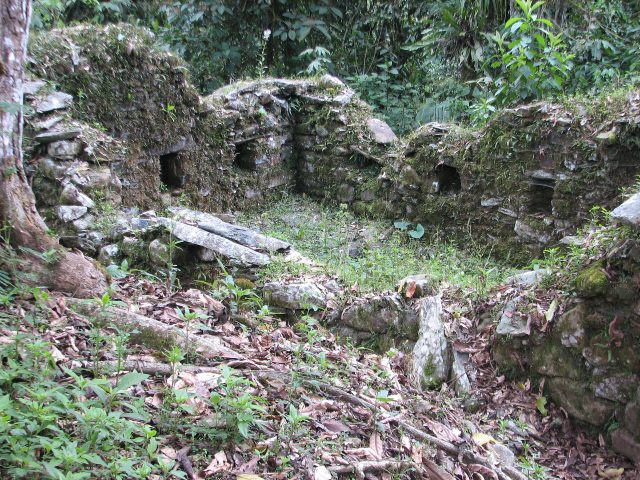
The site’s obscurity is part of its charm. Winay Wayna was largely forgotten after the fall of the Inca Empire, its existence known only to a few locals until the early 20th century, when archaeologists began exploring the Urubamba Valley in earnest. Even now, it hasn’t been extensively excavated. Much of the complex remains buried under earth and vegetation, leaving room for speculation. Every overgrown path or half-buried wall feels like a clue, a piece of a puzzle that might never be fully solved. That sense of mystery is intoxicating—it’s the feeling of stumbling upon something that wasn’t meant to be found, at least not yet.
Beyond its historical significance, Winay Wayna is also a place of natural beauty. The Urubamba Valley is one of the most biodiverse regions in Peru, a transition zone where the Andes meet the Amazon. The forests here teem with life: orchids cling to tree branches, hummingbirds dart between flowers, and if you’re lucky, you might spot a spectacled bear ambling through the undergrowth. The contrast between the wild landscape and the ordered precision of the ruins is striking. It’s a reminder that the Inca didn’t just build cities—they shaped entire ecosystems, working with the land rather than against it.
Visiting Winay Wayna requires a certain mindset. There are no amenities here—no cafes, no restrooms, no signs explaining what you’re looking at. You’ll need to bring your own water, snacks, and layers for the unpredictable mountain weather. The trail can be muddy, the altitude taxing, and the ruins themselves are fragile. But that’s part of what makes the experience meaningful. This isn’t a place to rush through; it’s a place to linger, to let the weight of history settle in. The lack of infrastructure isn’t a drawback—it’s a gift, a chance to experience something untouched by mass tourism.
Winay Wayna won’t stay a secret forever. As more travelers seek out experiences beyond the beaten path, places like this will inevitably draw attention. But for now, it remains one of Peru’s hidden gems, a reward for those willing to venture a little further. It’s not about ticking off a bucket-list destination or capturing the perfect Instagram shot. It’s about the quiet thrill of discovery, the way the past and present collide in a single, sunlit moment. Here, history isn’t something you read about—it’s something you feel under your feet, in the cool mountain air, in the silence that stretches between the stones.