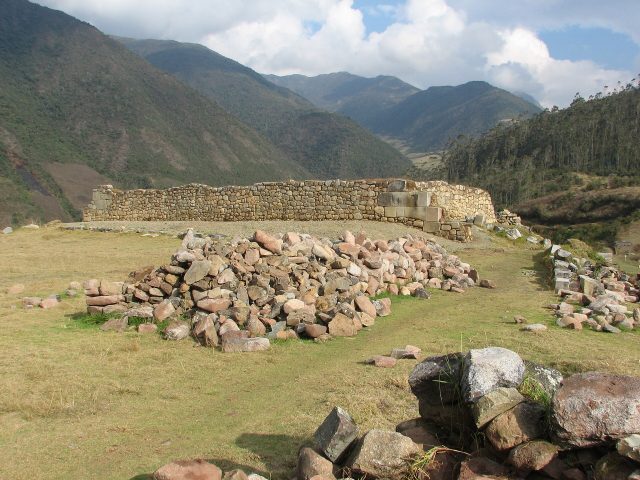
Vilcabamba sits in a fold of the Peruvian Andes like a secret half-remembered in the mountains’ breath. It was the last refuge of the Inca Empire, a place where resistance outlasted conquest by decades. After the fall of Cusco in the sixteenth century, the Inca retreated into these remote valleys, carving a new state from stone and stubbornness. For forty years, they held out here, far from the grandeur of their former capital, until the Spanish finally broke through. The ruins that remain are not as polished as those of Machu Picchu, nor as visited, but they carry the weight of something more fragile—an empire’s final stand, preserved in moss and silence.
The journey to Vilcabamba is part of its story. There are no paved roads leading here, only footpaths that wind through cloud forest and over passes where the air thins and the world feels vast. Most travelers begin in Cusco or the small town of Santa María, then spend days walking, guided by locals who know the old Inca trails. The route is demanding, but the landscape softens the effort—orchids cling to trees, rivers rush through narrow gorges, and the farther you go, the more the modern world recedes. By the time you reach the ruins, the absence of crowds is striking. There are no ticket booths, no vendors, just the quiet and the sense that you’ve stepped into a place that has been waiting.
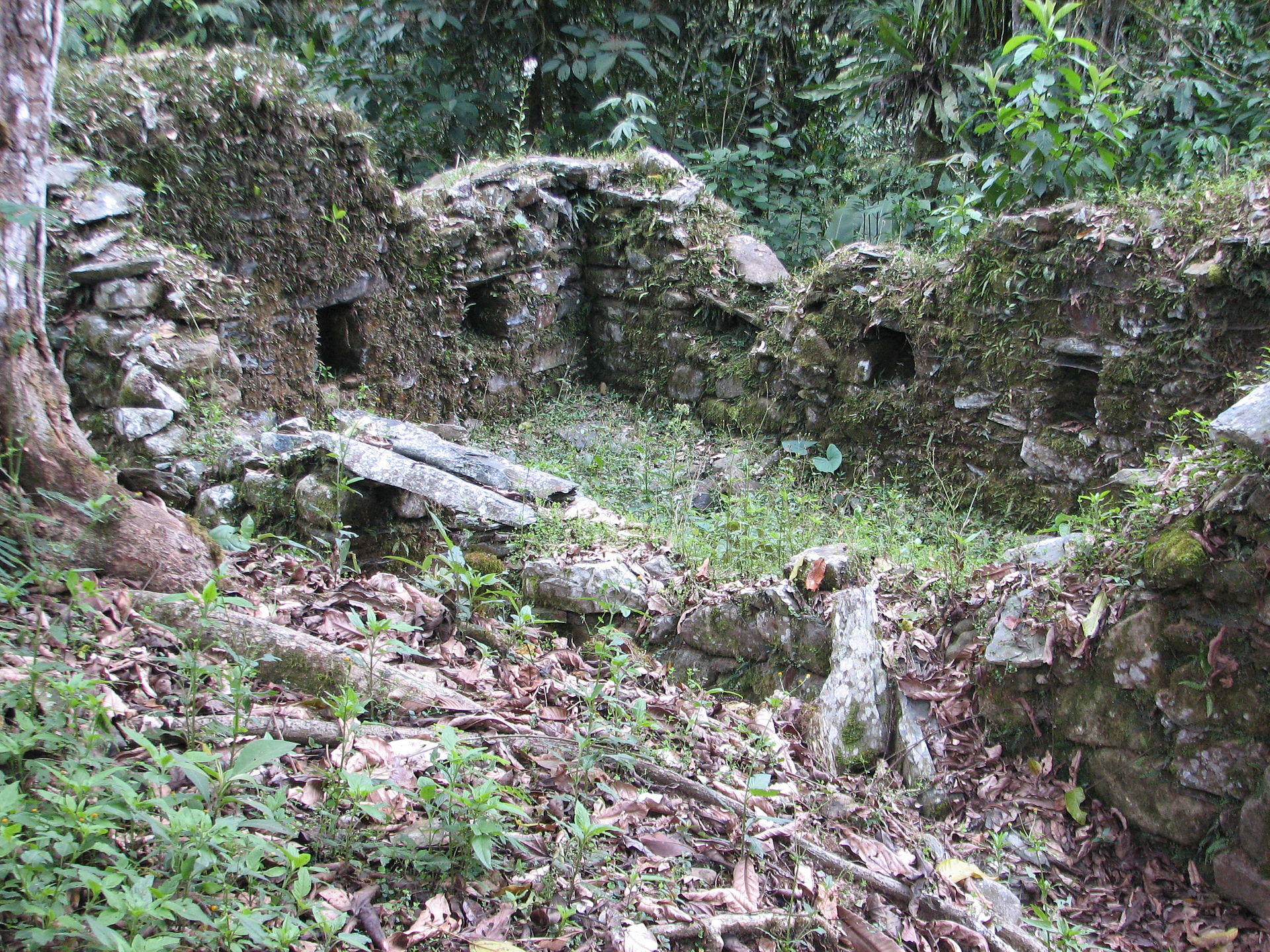
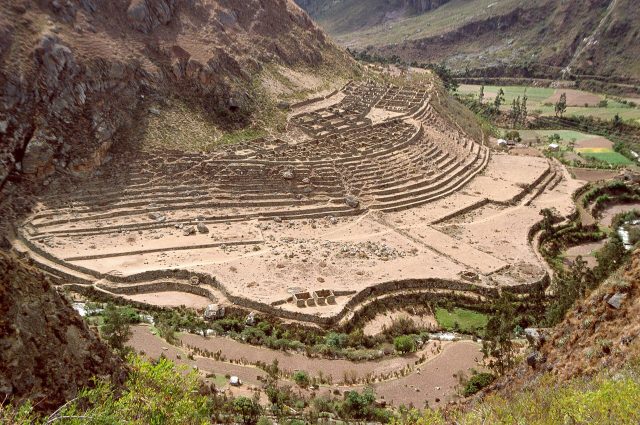
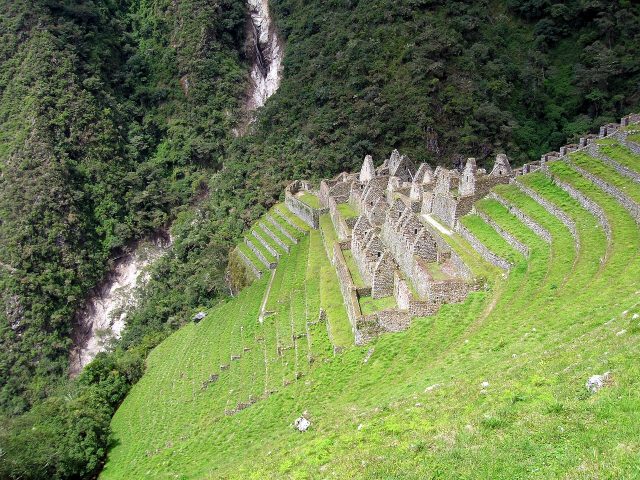
What survives of Vilcabamba is scattered across a series of terraces descending a steep hillside. The stones are rough-hewn, fitted together with the precision that marks all Inca masonry, though here the craftsmanship feels more urgent, less ceremonial. The remains of a palace, temples, and residential quarters blend into the slope, their walls half-swallowed by vegetation. In places, roots have split the rock, and ferns sprout from the cracks, as if the forest is slowly reclaiming what was taken. The layout is practical rather than grand—this was a place built for survival, not display. Below the ruins, the land flattens into fields where the Inca once grew maize and potatoes, their terraces still visible beneath the overgrowth.
The history of Vilcabamba is tied to the last Inca rulers. After the Spanish seized Cusco, Manco Inca Yupanqui fled here and established a new court, one that endured longer than many expected. For decades, the Inca resisted, launching raids and holding off Spanish advances, until the invaders finally destroyed the city in 1572. Legends persist that the Inca hid their treasures here before the end, and over the centuries, adventurers have searched for them. But the real treasure is the atmosphere—the way the wind moves through the ruins, the way the light slants across the stones at dusk, as if the past is still present, just out of reach.
Vilcabamba is not a place for those who prefer their history neatly packaged. There are no signs explaining the ruins, no audio guides, no gift shops selling replicas of Inca artifacts. The only voices you’ll hear are those of your guides, if you have them, or the occasional farmer passing through. The local people, descendants of the Inca, live in nearby villages and treat the ruins with quiet familiarity. They might offer you a place to sleep or a meal of roasted corn and potatoes, but they won’t romanticize the place. To them, it’s simply part of the land, a chapter in a story that hasn’t ended.
What makes Vilcabamba special is its rawness. The ruins are not restored, the paths are not paved, and the sense of isolation is real. You can spend hours wandering the terraces, tracing the outlines of buildings, imagining the lives that unfolded here. The air is cool and damp, the kind that carries the scent of earth and old stone. At times, the silence is so deep it feels like the mountains are holding their breath. Then, suddenly, a bird calls, or the wind stirs the leaves, and the spell is broken—just enough to remind you that you’re still in the present, even if the past feels closer here than anywhere else.
This is a place that demands something from you—patience, curiosity, a willingness to walk for days just to stand among its ruins. But it gives something in return: a sense of connection to a history that is both grand and deeply human. There are no grand narratives here, no sweeping conclusions, just the quiet persistence of stone and memory. If you listen closely, you might hear the echoes of the past—not as a story, but as a presence, lingering in the shadows of the Andes.