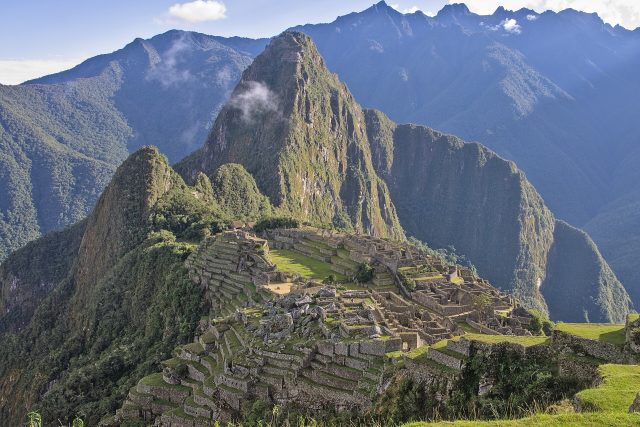
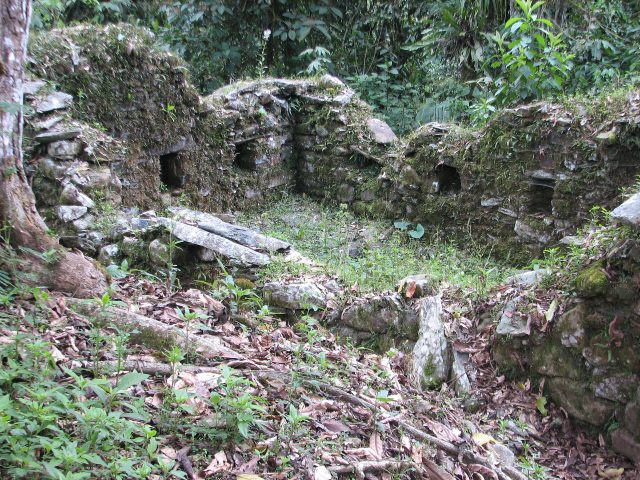
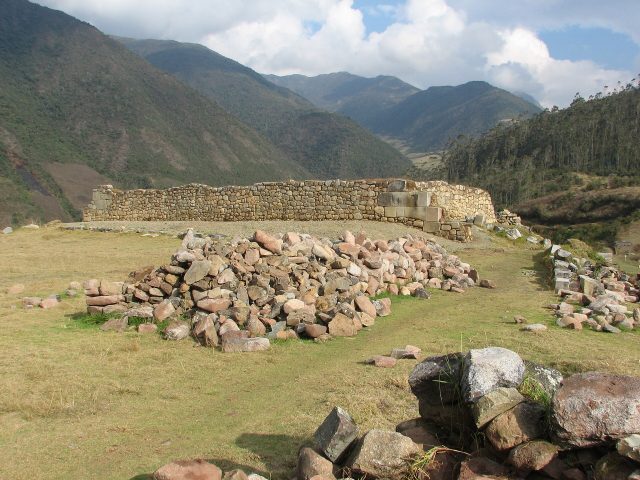
Llactapata is one of those rare places in the Andes that feels suspended in time, tucked away among misty valleys and dense forests. While its more famous neighbor, Machu Picchu, draws crowds from around the world, Llactapata remains quietly overlooked, though its historical significance is just as profound. There are no souvenir stalls or tour groups here—just ancient stone walls softened by moss, the rustle of leaves, and the distant murmur of mountain streams. The ruins invite you not just to observe, but to step into the world as it was during the height of the Inca Empire.
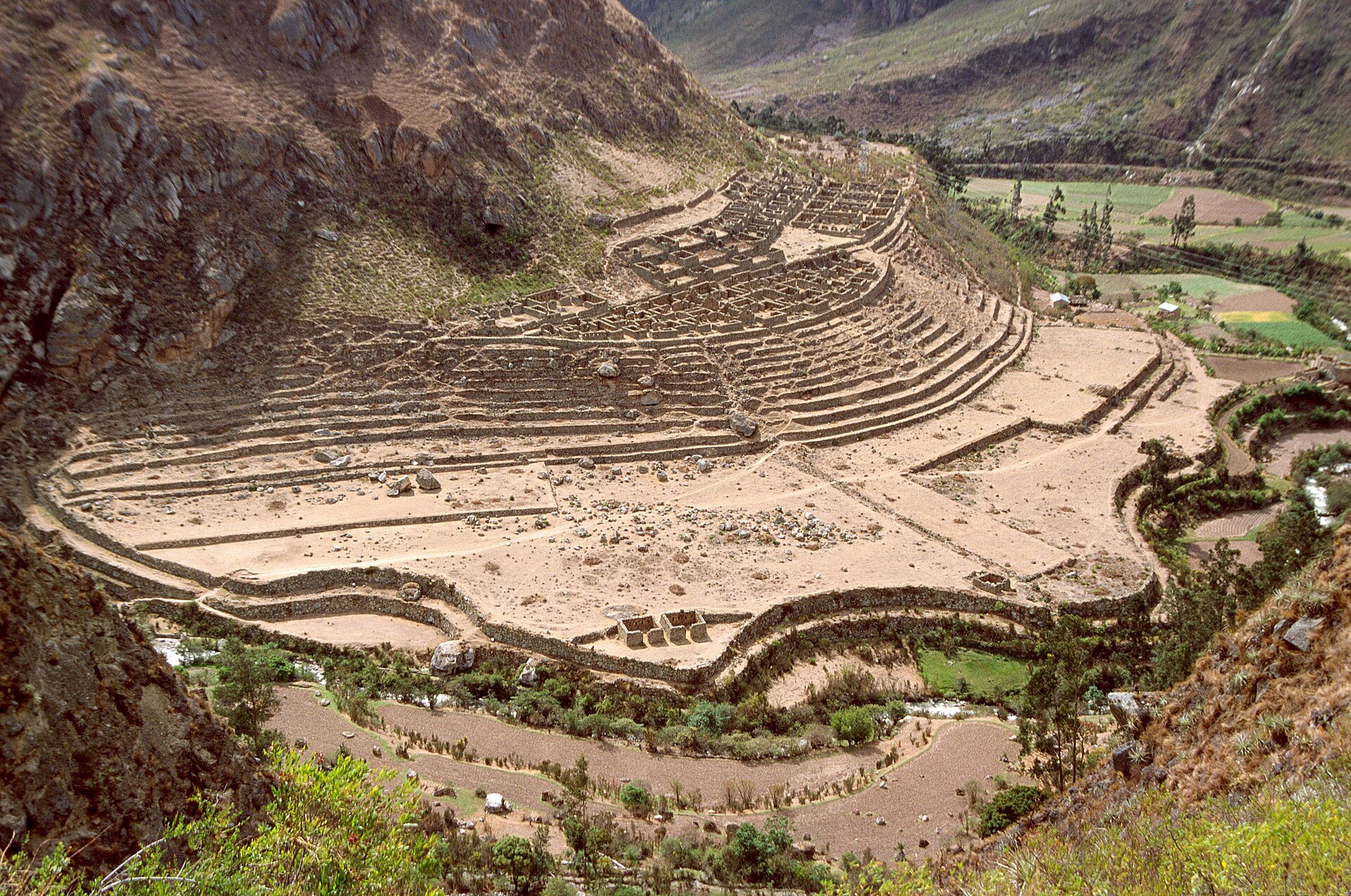
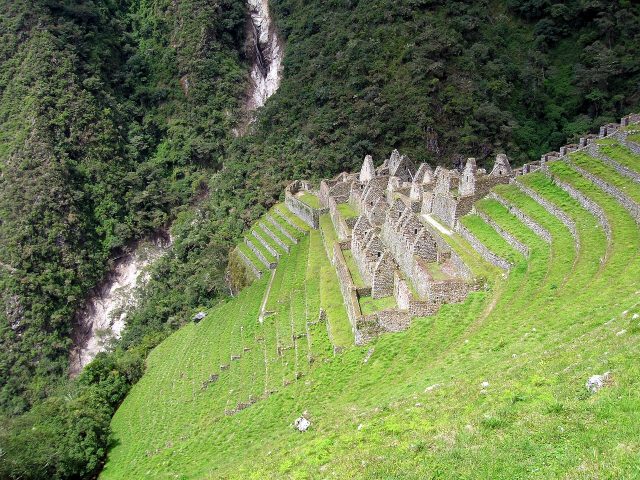
Archaeological work has revealed that Llactapata was a key administrative and religious hub, connected to other settlements by an intricate network of roads and trails. The Incas built it to last, fitting massive stone blocks together with such precision that not even a blade could slip between them. Without mortar, their masonry has withstood earthquakes and torrential rains for centuries. The most striking features are the terraces cascading down the hillsides—engineered not only to prevent erosion but also to sustain agriculture, which was the lifeblood of the city. Without these carefully cultivated slopes, Llactapata could never have thrived.
What makes Llactapata particularly intriguing is its location. Unlike Machu Picchu, perched high in the mountains, Llactapata sits in a gentler valley, surrounded by forest. This might have made it more vulnerable to attack, yet the Incas chose the site deliberately. It was likely part of a vast system controlling the region, linking the imperial capital of Cusco to the Amazon jungle. Caravans of goods, messengers, warriors, and pilgrims all passed through here, moving between sacred sites and distant provinces. The city stood at a crossroads, and its strategic importance was immense.
Today, Llactapata feels like an open-air museum, where every stone carries the weight of history. The ruins include remnants of temples, residential quarters, storage buildings, and even a sophisticated water system. Aqueducts and channels once directed water through the city, nourishing the terraces where maize, potatoes, and quinoa were grown. The Incas didn’t just build—they designed spaces that worked in harmony with the land and the people who depended on it. Walking through the site, it’s easy to imagine merchants, artisans, and priests moving through the streets, or ceremonies unfolding in the plazas.
Reaching Llactapata is an adventure in itself. The only way to get there is on foot or by mule, following the same trails the Incas once used to connect their empire. One of the most popular routes passes through the Huayna Picchu pass, offering sweeping views of the Urubamba River valley. Along the way, you’ll encounter other ruins, small villages, and farms where locals still live much as their ancestors did. The air is crisp and cool, and the landscape shifts constantly—dense forests give way to open meadows, then to rocky gorges.
Llactapata isn’t just a collection of stones; it’s a living piece of history that still resonates today. There are no explanatory plaques or guided tours here, just the quiet invitation to explore and imagine. You might spend hours wandering the ruins, trying to decipher the purpose of each structure, or simply sitting on a terrace, gazing at the valley and reflecting on the countless people who walked these paths before you. In moments like these, it becomes clear why the Incas chose these mountains—they offer a sense of timelessness, a place where the soul can rest.
Despite its significance, Llactapata remains far less studied than Machu Picchu. Archaeological work here is limited, and many of its secrets are still waiting to be uncovered. Perhaps one day, new discoveries will reveal more about how the city functioned, what rituals took place here, and why it was eventually abandoned. For now, Llactapata keeps its mysteries, offering visitors the chance to feel like explorers stepping into the unknown. This isn’t a place for those seeking comfort or entertainment—it’s for those willing to meet history and nature on their own terms.
If you decide to make the journey, be prepared for a challenge. The trek takes several days, and the weather in the Andes can change in an instant. But those who persevere will find something far more rewarding than a few photos. Llactapata offers a rare connection to something enduring, a part of the world that remains untouched by the rush of modern life. Here, you can leave behind the noise and distractions, losing yourself in the quiet rhythm of the mountains. And perhaps that’s the real gift of places like this—they remind us that some things are more important than the relentless pace of everyday life.