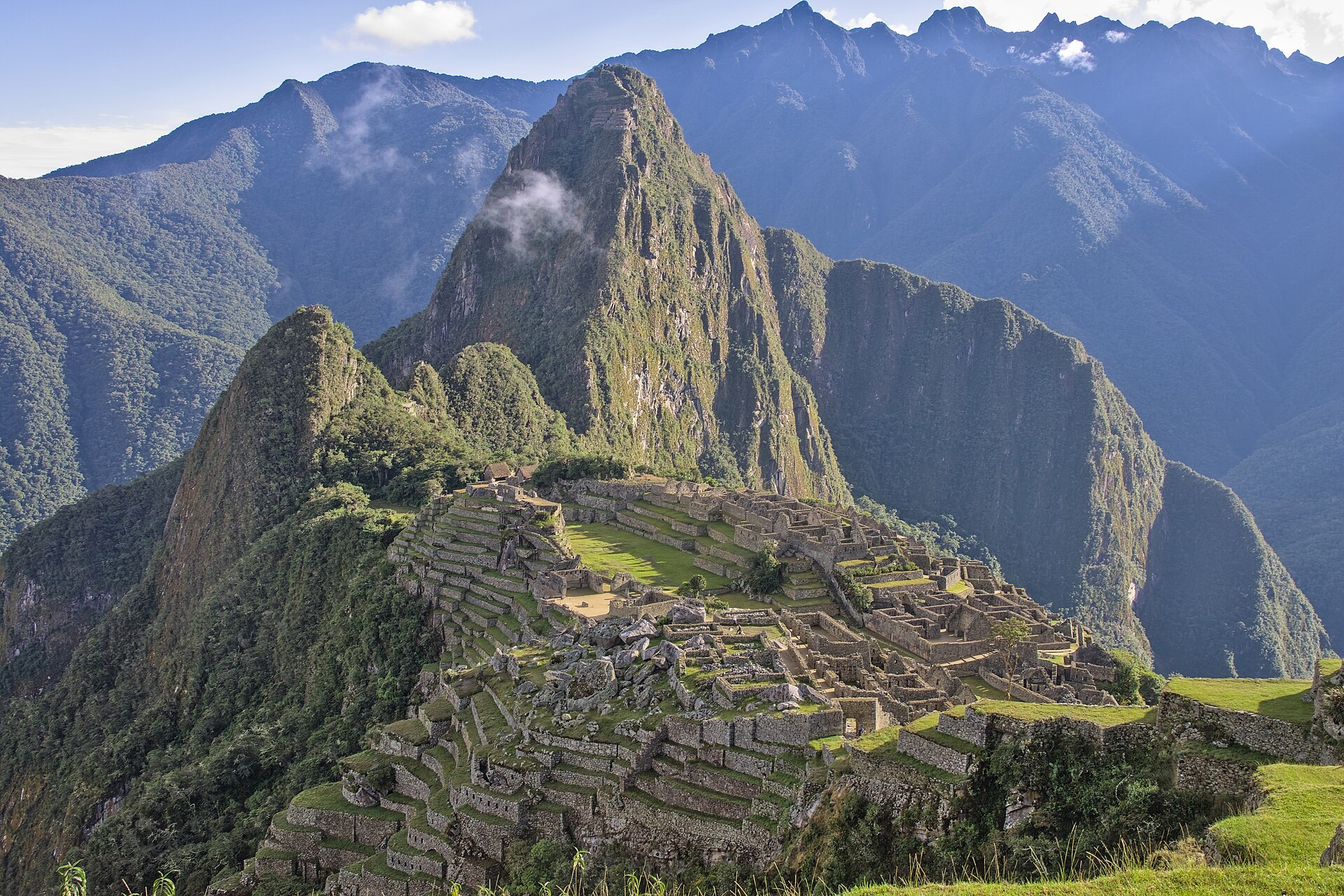
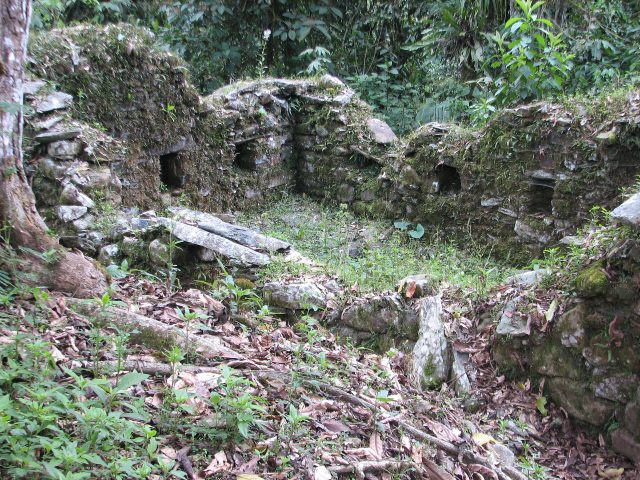
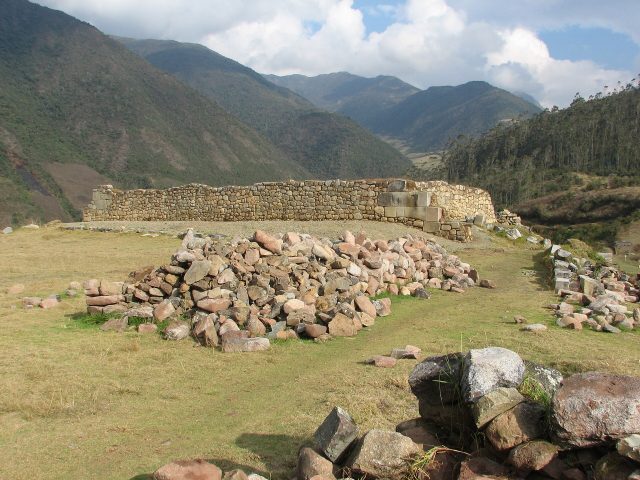
Perched high in the Andes, where the clouds drift lazily between jagged peaks, Machu Picchu feels like a place suspended outside of time. The Inca city, built in the 15th century, remained hidden from the outside world until 1911, when Hiram Bingham, an American explorer, stumbled upon its moss-covered stones. What he found was not just a collection of ruins, but a masterpiece of engineering and spirituality that has since become one of the most iconic symbols of pre-Columbian America. Yet even now, centuries later, its true purpose remains a subject of debate. Was it a royal retreat, a sacred sanctuary, or perhaps an astronomical observatory? Some suggest it was the last stronghold of the Inca before the Spanish conquest. The mystery lingers, woven into the very fabric of the place, making it all the more compelling.
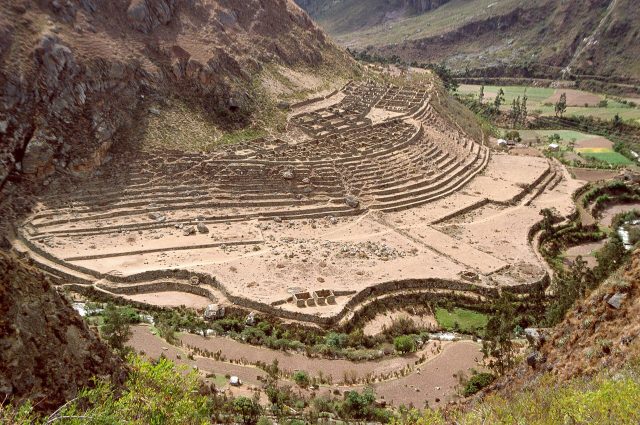
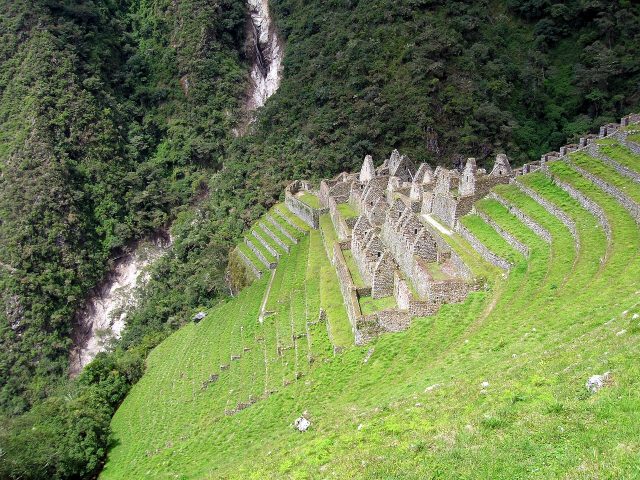
The architecture of Machu Picchu is a testament to the Inca’s deep understanding of their environment. The buildings, constructed without mortar, fit seamlessly into the mountain’s contours, their precision so exact that even modern engineers marvel at their stability. The Incas carved terraces into the slopes, creating levels for agriculture and living spaces that blend effortlessly with the landscape. The central plaza, the Temple of the Sun, and the Intihuatana—a carved stone pillar believed to have served as a solar clock—all speak to a civilization that thrived in harmony with nature. Perhaps most remarkable is the water system, still functioning today, channeling mountain springs through aqueducts and stone conduits with an efficiency that feels almost modern.
Reaching Machu Picchu is an adventure in itself. Most visitors arrive by train from Cusco or Ollantaytambo, then ascend the winding mountain road by bus, a journey that offers breathtaking views of the Urubamba Valley below. For those seeking a more immersive experience, the Inca Trail provides a multi-day trek through cloud forests, high passes, and smaller ruins, each step a reminder of the ancient path that once connected the empire. The climb is demanding, but the reward is worth it—a sense of accomplishment, the crisp mountain air, and the first glimpse of the citadel emerging from the mist. For an even more dramatic perspective, the hike up Huayna Picchu offers a sweeping panorama of the entire site, a view that makes the effort feel almost sacred.
The mood of Machu Picchu shifts with the light. In the early morning, when fog clings to the peaks, the ruins take on an ethereal quality, as if the city has just materialized from a dream. By midday, the sun burns away the mist, casting a golden glow over the stones, revealing every intricate detail of the masonry. As evening falls, the last rays of sunlight paint the mountains in hues of pink and violet, and the site grows quiet, the only sounds the whisper of the wind and the distant murmur of visitors. It’s easy to imagine the Inca moving through these same spaces, performing rituals, tracking the movements of the sun and stars, their lives governed by the rhythms of the natural world.
Despite its fame, Machu Picchu has not been reduced to a mere tourist attraction. There are no gaudy souvenir stalls or loud crowds—just the ancient stones, the towering peaks, and the vast sky. Access is carefully controlled, with limits on the number of visitors to preserve the site for future generations. Guides share stories of Inca spirits said to linger among the ruins, and the importance of respecting this sacred space. Perhaps that’s why Machu Picchu retains its magic, why it feels alive in a way that few historical sites do. The rules aren’t just about preservation; they’re about maintaining the sense of wonder that has drawn people here for over a century.
For many, Machu Picchu is more than a historical site—it’s a place where the past feels tangible, where the weight of history presses gently against your skin. The air is thin at this altitude, and the silence is profound, broken only by the occasional call of a bird or the crunch of gravel underfoot. It’s a place that invites reflection, where the boundaries between then and now blur. The Incas built this city with a reverence for the earth and the cosmos, and that reverence is still palpable. You don’t just visit Machu Picchu; you experience it, in a way that stays with you long after you’ve descended the mountain.
The questions surrounding Machu Picchu—why it was built, how it was used, why it was abandoned—only add to its allure. Some mysteries are best left unsolved, their power lying in the imagination they inspire. The Inca left no written records, only stones arranged with deliberate care, and perhaps that’s the point. The answers aren’t as important as the sense of connection, the feeling that you’ve stepped into a story much larger than yourself. Machu Picchu doesn’t give up its secrets easily, and that’s what makes it endure. It’s a place that doesn’t just belong to history; it belongs to anyone who stands among its ruins and feels the pull of something greater.