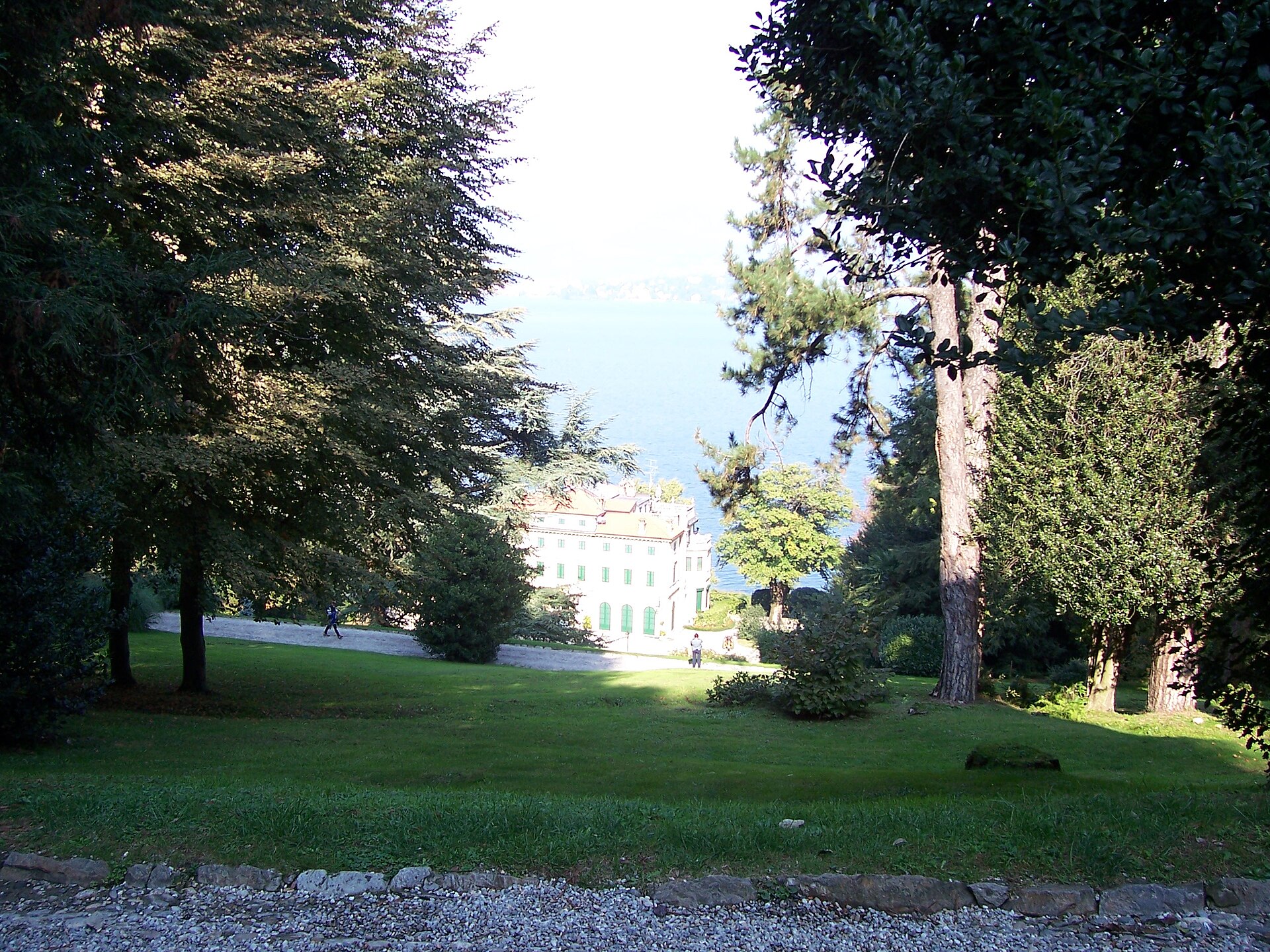
Perched on a gentle hillside above Lake Maggiore, Villa Pallavicino feels like a place where time has quietly paused. From its terraces, the view stretches across the water toward the Alps—soft and hazy in summer, sharp and clear in winter. The villa itself is more than just an elegant building; it’s a piece of living history, shaped by aristocratic traditions, a deep appreciation for nature, and the unhurried rhythm of life in this corner of northern Italy.
The story of Villa Pallavicino begins in the mid-19th century, when the Pallavicino family, one of Piedmont’s most prominent noble houses, chose Stresa as the site for their country retreat. By then, the town was already gaining popularity among Europe’s elite, drawn by its mild climate and breathtaking scenery. The villa was designed as a place of leisure and hospitality, its architecture reflecting the tastes of the era—graceful lines, large windows flooding the rooms with light, and terraces that seem to flow down toward the lake. Over the years, the villa changed hands, but it always remained a private sanctuary, a world apart from the bustle of cities.
Today, the villa is best known for its park, a sprawling landscape that feels both wild and carefully cultivated. Covering several hectares, it’s home to rare trees and plants from around the world—magnolias, cedars, bamboo groves, and even Australian eucalyptus. The park was designed to surprise at every turn: a winding path might lead to a small pond with swans, a sunlit meadow where deer graze, or a viewpoint offering a perfect glimpse of the Borromean Islands. There are no rigidly symmetrical flowerbeds or manicured lawns here; instead, the garden feels natural, as if it grew this way on its own, though in reality, every detail is thoughtfully maintained.
One of the park’s most charming features is its small zoo, which dates back to the early 20th century. It began when the villa was owned by the Duchess of Genoa, who had a passion for animals. Today, visitors can see flamingos, pink pelicans, exotic birds, and even a few monkeys. It’s not a grand zoo by any means, but that’s part of its appeal—the animals have space to roam, and the atmosphere is peaceful, even in the height of summer. Children love watching the creatures, while adults can enjoy the quiet surroundings.
The villa itself is only partially open to the public, which adds to its allure. Inside, the 19th-century interiors remain largely intact, with ornate ceilings, antique furniture, and paintings that hint at the lives of its former owners. Visitors can explore a few rooms on the ground floor, where temporary exhibitions sometimes showcase local history or art. But the real magic isn’t in the displays—it’s in the atmosphere. The only sounds are birdsong and the rustle of leaves, the air carries the scent of pine and lake breezes, and time seems to slow down. Even a few hours here can feel like a proper escape.
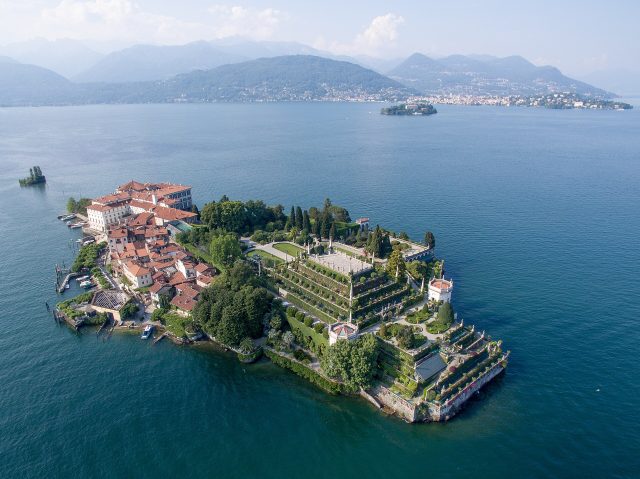
Villa Pallavicino isn’t just a place for a stroll; it’s part of the cultural fabric of Lake Maggiore. Nearby, the Borromean Islands and other historic villas draw crowds, but Pallavicino offers something different—a sense of intimacy. There are no souvenir stands or noisy cafés, just quiet paths, shaded benches, and the chance to sit with a book while gazing at the water. In the evenings, the park stays open late, and the reflections of Stresa’s lights on the lake make for a particularly serene experience.
For those spending a few days in Stresa, the villa is an ideal spot to unwind. You can arrive in the morning when the park opens and easily spend the whole day there—walking the paths, having lunch at the small café, and relaxing on the grass with a view of the lake. Families enjoy watching the animals, while others simply soak in the tranquility. In winter, the park takes on a different character: the trees are bare, but the mountains stand out more clearly, and the air feels crisp and fresh.
Lake Maggiore is often associated with grandeur, but Villa Pallavicino reminds us that beauty isn’t always about spectacle. There are no grand fountains or marble statues here, just a quiet harmony between nature and human care. It’s a place for those who appreciate slow walks, hidden corners, and the chance to step into history, even if just for a little while. In a world that moves too fast, such places feel like a gift—a reminder that sometimes, the most meaningful experiences are found in the smallest details.