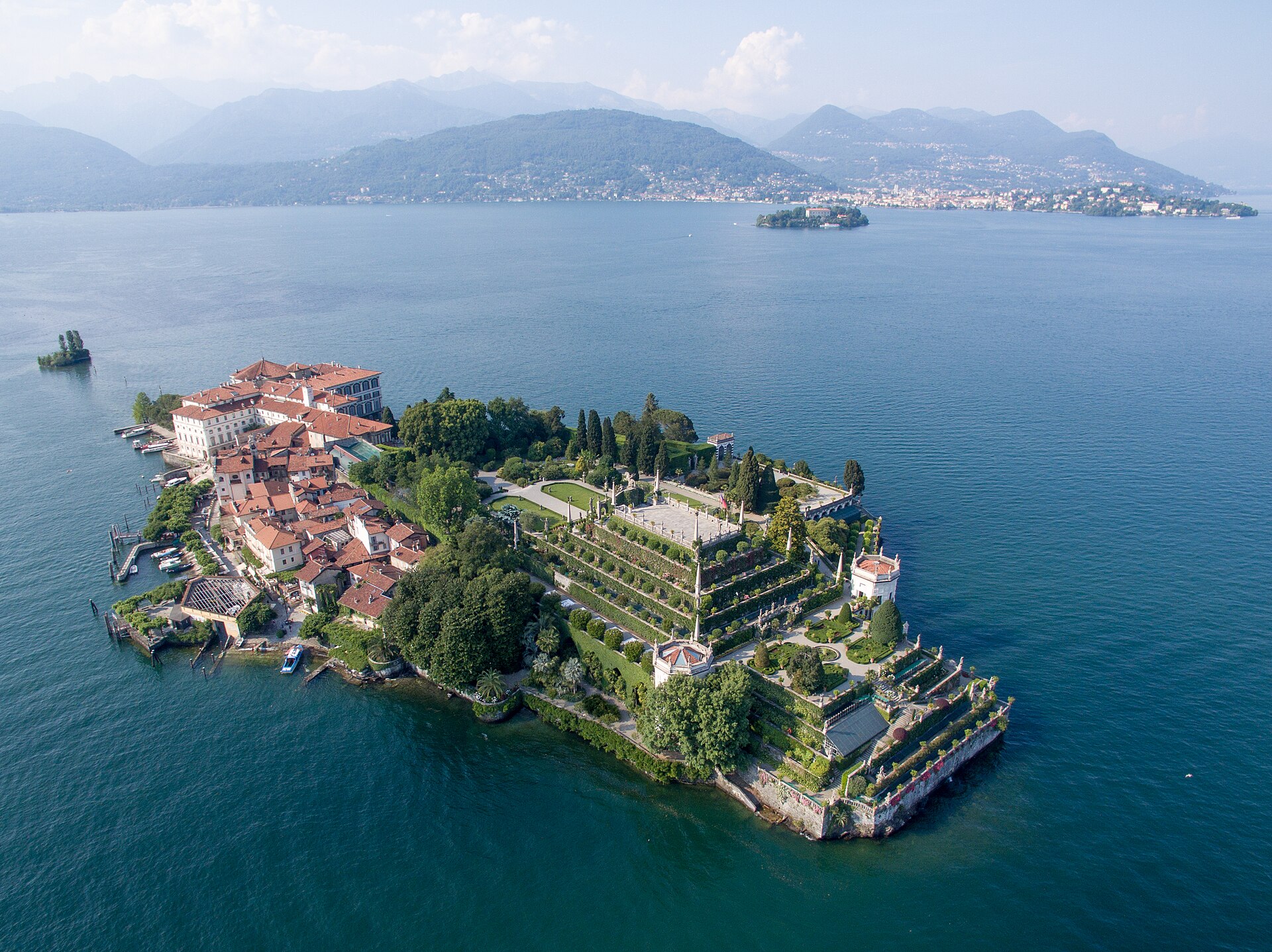
Isola Bella is one of those places that feels almost too perfect to be real. Floating on Lake Maggiore, just a short boat ride from Stresa, the island rises from the water with its palace and terraced gardens, its silhouette visible long before you arrive. Though small—just 350 meters long and 150 meters wide—it holds centuries of history, opulence, and natural beauty within its modest borders.
The island owes its existence to the Borromeo family, one of Northern Italy’s most powerful aristocratic dynasties. In the 16th century, the Borromeos owned the land, but the island was little more than a barren, rocky outcrop, more fortress than paradise. It wasn’t until the mid-17th century that Count Vitaliano VI Borromeo decided to transform it into a jewel of the lake. The name Isola Bella—"beautiful island"—came later, a tribute to its splendor, though it was originally known simply as Isola di San Giovanni.
The construction of the palace and gardens took nearly forty years. Architects and gardeners reshaped the rugged terrain, carving terraces into the rock like steps of a grand staircase. The Baroque palace became both a family residence and a symbol of their wealth and refinement. Inside, the interiors remain lavish, with frescoes, tapestries, antique furniture, and art collections that offer a glimpse into the lives of the aristocracy who once lived here.
The gardens are the island’s true marvel. Ten terraces, adorned with statues, fountains, and exotic plants, descend toward the water, creating the illusion of a lost Eden. Palms, citrus trees, magnolias, and rare flowers from around the world thrive here. At the heart of the garden stands a theater of living greenery, where performances were once held for noble guests. The view from the highest terrace is breathtaking—the lake stretches in every direction, and on clear days, the Alps loom on the horizon.
For much of its history, Isola Bella was a private retreat, accessible only to the Borromeo family and their guests. It wasn’t until the 20th century that parts of the island were opened to the public. Today, visitors can wander the gardens, explore select rooms of the palace, and even venture into the grottoes carved into the rock. These grottoes, lined with shells and sea stones, once provided a cool escape from the summer heat and now stand as one of the island’s most unusual features.
Isola Bella is often called an open-air museum, and the description fits. Every corner holds a piece of history, yet the island doesn’t feel frozen in time. Instead, it hums with life—the rustle of leaves, the lap of water against the shore, the scent of flowers carried on the breeze. Summer brings crowds, but arriving early in the morning or as the light softens in the evening offers a quieter experience, a chance to sense the tranquility that the island was designed to provide.
The surrounding area is just as captivating. Lake Maggiore is known for its picturesque shores, where mountains, forests, and colorful villages blend seamlessly. From Stresa, boats depart for the other Borromean Islands—Isola Madre, with its lush gardens and historic palace, and Isola dei Pescatori, a fishing village where life moves at the same unhurried pace it has for centuries.
What makes Isola Bella so enchanting isn’t just its beauty, though that is undeniable. It’s the harmony between nature and human craftsmanship, the way history and the present coexist without effort. The island doesn’t try to impress with grandeur or extravagance; it simply exists as a dream of perfection, and that, in the end, is more than enough.