Isola dei Pescatori is one of those places on Lake Maggiore that feels almost too perfect to be real. This tiny island, barely a few hundred meters long, sits just off the shore of Stresa, a quiet remnant of old Italy. There are no grand palaces here, no museums, no bustling restaurants—just a handful of houses, a dock, a few boats, and the kind of stillness broken only by the lapping of water and the cries of gulls. It’s a place where time moves differently, where visitors come not for entertainment but for the chance to step into a slower, simpler rhythm.
The island’s history is woven into the lives of the fishermen who have called it home for centuries. Its name means Fishermen’s Island, and for generations, they were its only inhabitants. They cast their nets into the lake, sold their catch along the shore, and passed down their craft from father to son. Even now, a few descendants of those fishermen still live here, though their numbers have dwindled. Some of the old houses still hold the wooden boats and weathered fishing gear of their ancestors, a quiet reminder of the island’s working past.
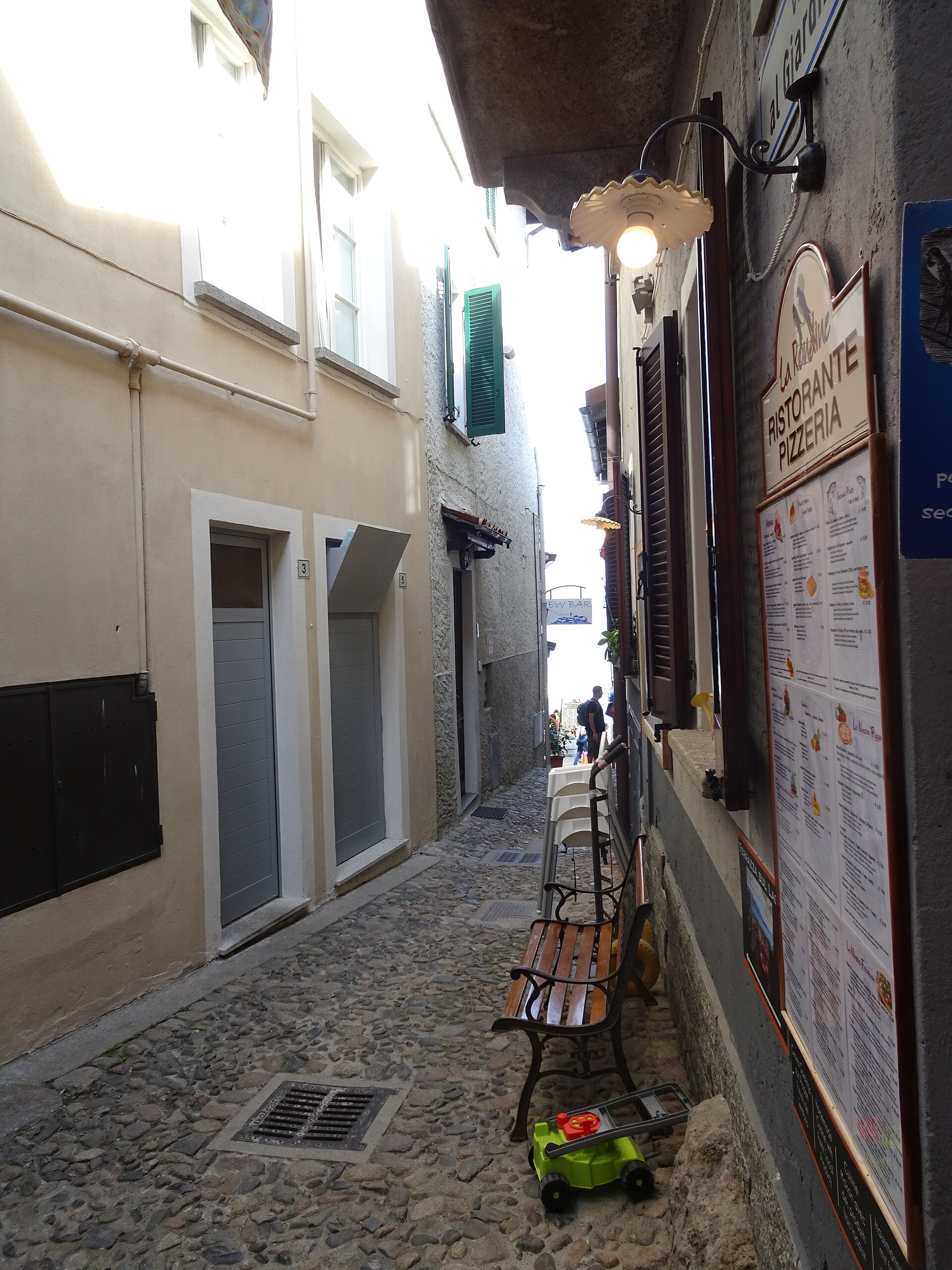
The architecture here is unassuming, built for practicality rather than grandeur. The houses are made of stone and wood, their facades worn smooth by sun and rain, their shutters often closed not to keep out prying eyes but to shield against the summer heat. Narrow cobblestone paths wind toward the small square by the dock, where boats bob gently in the water. There are no cars, and even bicycles are rare—everything is done on foot or by water. The simplicity of it all creates an atmosphere that feels suspended in time, as if the island has resisted change for decades.
The real attraction of Isola dei Pescatori isn’t a monument or a landmark but the life that unfolds here each day. In the mornings, fishermen return with their catch, and you can buy fresh fish straight from the boats. By midday, tourists arrive on excursion boats, wandering the single street, browsing small souvenir shops, or lingering in a lakeside trattoria. But by evening, the island settles back into quiet, the only sounds the rustle of waves against the shore and the occasional creak of a moored boat. In summer, wisteria blooms spill over the walls, and the sunset turns the water to gold.
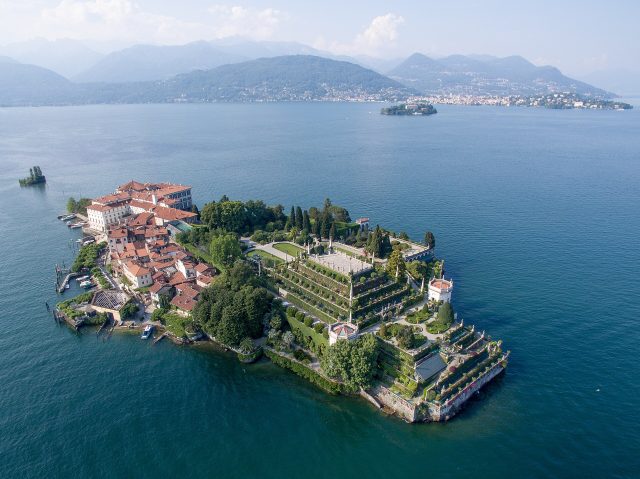
Unlike its more famous neighbors, Isola Bella and Isola Madre, with their lavish villas and manicured gardens, Isola dei Pescatori has never been touched by the whims of wealth or fashion. While the Borromeo family transformed the other islands into showcases of opulence in the 19th century, this one remained unchanged, a stubborn holdout of ordinary life. That’s part of its appeal—it doesn’t try to impress. There are no crowds, no guided tours, no pressure to rush. You can sit on the shore and watch the boats drift by, or wander the lone street, pausing to study old photographs tacked to the walls of the houses.
This isn’t a place for those seeking excitement or entertainment. There are no attractions, no scheduled activities, not even many cafés. But that’s exactly what makes it special. The island offers a chance to step out of the usual pace of travel, to experience a side of Italy that’s about being rather than seeing. You might come for half an hour and stay for the day, drawn in by the quiet or the way the light plays on the water at dusk.
Isola Bella and Isola Madre often overshadow the smaller island, their grandeur drawing the biggest crowds. But those who make the effort to visit Isola dei Pescatori rarely leave disappointed. There’s no luxury here, but there is authenticity. No sweeping vistas, but a deep sense of peace. No throngs of tourists, but the feeling of being part of something real. The island doesn’t try to dazzle—it simply exists, and in that, it has a quiet power all its own.
If you find yourself in Stresa, take the short boat ride out to Isola dei Pescatori. Even a brief visit can leave you with the sense of having stepped into another era. Maybe it’s the stillness, or the way the past lingers in the air, but there’s something here that feels rare in the modern world—a place where time slows down, and for a little while, you can too.