Piazza Marconi in Stresa
Stresa spills into Lake Maggiore here. The square isn’t grand, but it’s where the town’s main streets meet the waterfront. The Borromean Islands lie just offshore—why most people come.
You can sit on a bench and watch ferries pass. Or step into a café where espresso comes with a lake view. The square doesn’t demand attention. It offers a place to pause.
Stresa has long been a retreat for those who want stillness. In the late 1800s and early 1900s, European aristocrats, writers, and musicians came for its mild climate and landscapes. The Swiss lakes have similar scenery, but Stresa feels warmer. Piazza Marconi isn’t the oldest part of town, but it carries that legacy. The past lingers in small things—the light on the buildings, the sound of water against the shore. There are no palaces here, just the quiet charm of a place that feels lived-in.
The architecture is understated. Most buildings are three or four stories tall, with Liberty-style details from the early 1900s. Wrought-iron balconies, tall windows, and subtle stucco work give the area a quiet elegance. At the center, a small fountain trickles. Nearby stands a statue of Guglielmo Marconi, the radio’s inventor. The sculpture is modest, like the town itself.
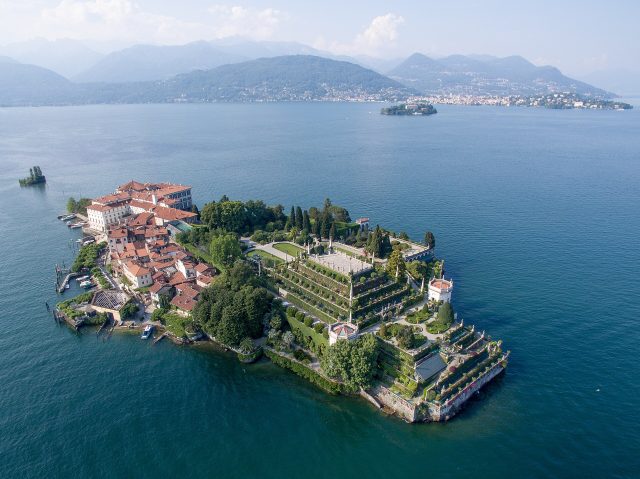
From the waterfront, the view of Lake Maggiore is one of the region’s most recognizable. Isola Bella and Isola dei Pescatori seem close enough to touch. On clear days, mountains frame the scene, and the water turns deep blue. In the evening, streetlights reflect on the lake, making the town look like it’s floating. Locals come here often, not for any special reason, but because it feels right.
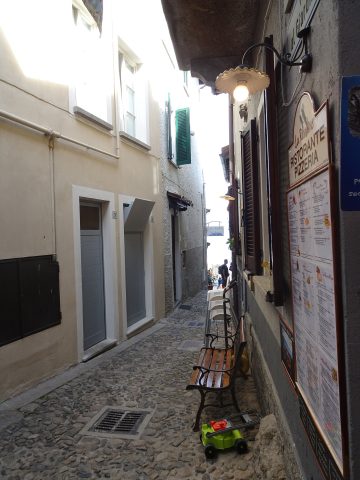
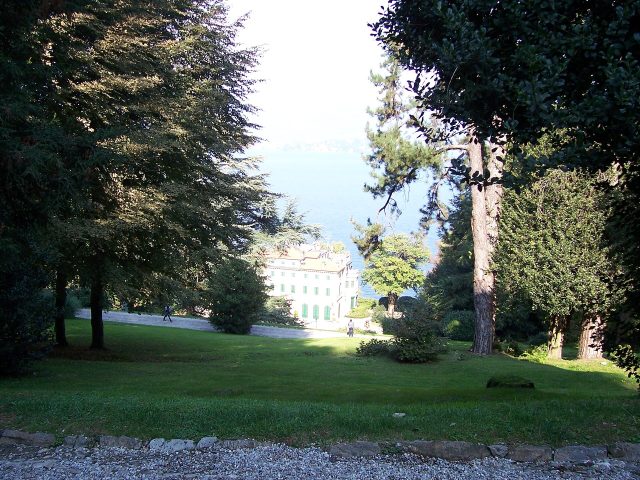
Start exploring Stresa from Piazza Marconi. Turn onto Via Principe Umberto, where villas once hosted Hemingway and Tolstoy. Walk along the lake to Villa Pallavicino’s park—peacocks strut there, and flamingos wade in ponds. The old town’s narrow streets are nearby, lined with shops selling local cheeses, olive oil, and Piedmontese wine.
In summer, the square fills with street musicians, visitors’ chatter, and café clinks. Even then, it never feels crowded. Stresa doesn’t get overrun. In winter, the square grows quiet. The lake looks starker, the mountains dusted with snow. The square doesn’t lose its appeal—it just waits for spring.
If you visit Stresa for a day or two, Piazza Marconi shows you the town’s pace. There’s nothing here you *must* see. That’s why it feels worth revisiting. Locals chat, children play near the fountain, and elderly men feed gulls. Stresa doesn’t try to impress. It exists at its own rhythm, and Piazza Marconi proves it.