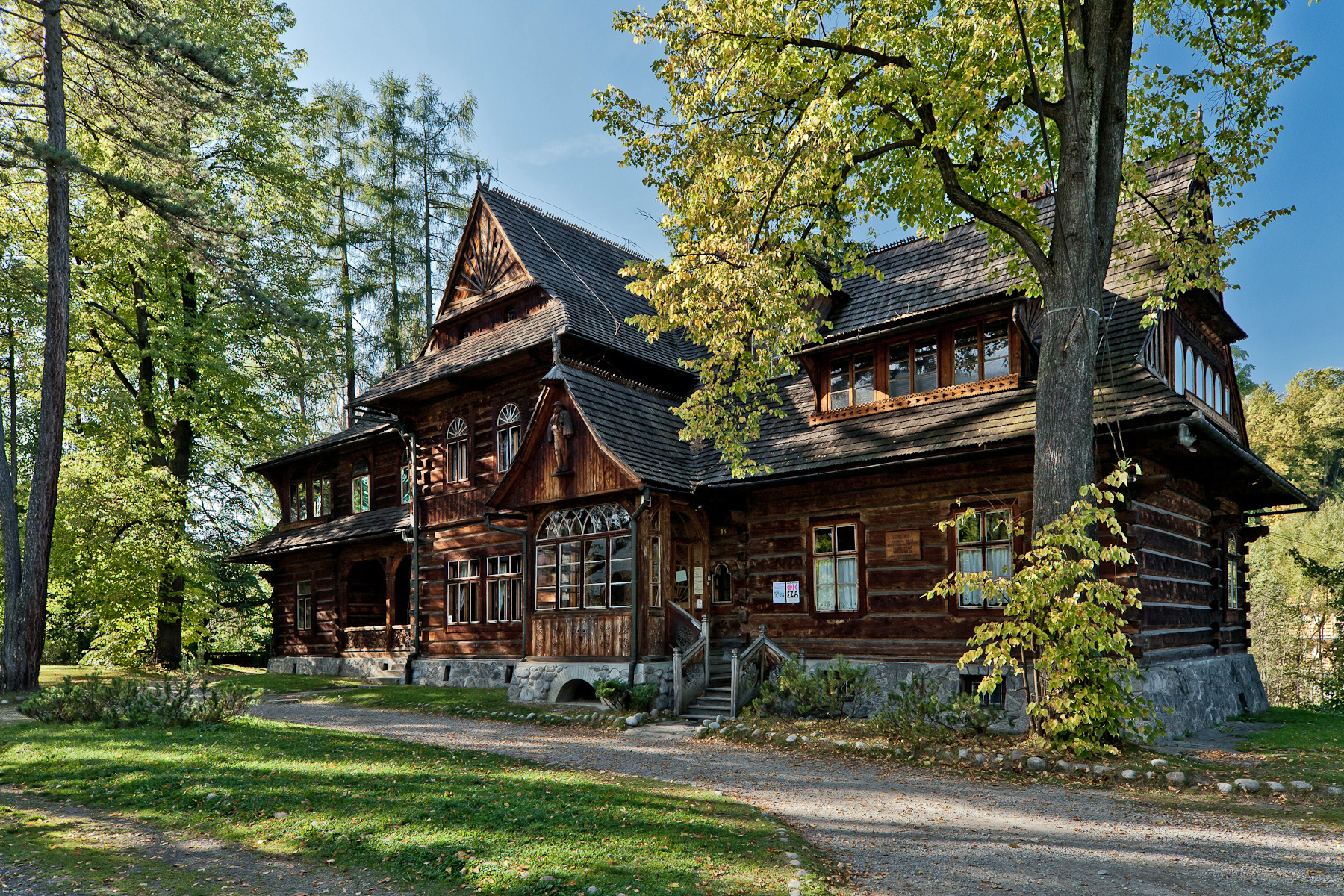
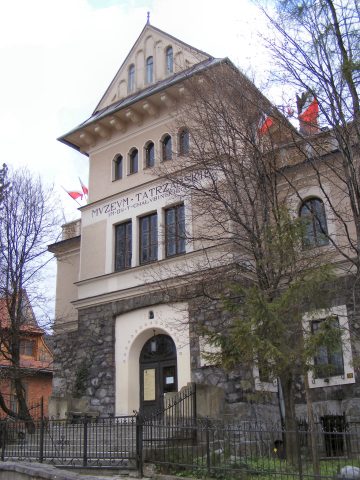
Villa Koliba stands on a hillside above Zakopane. It was built in the late 19th century as one of the first examples of the Zakopane style—a mix of local highland traditions and European architecture. The house was an experiment in building something new while respecting the land and its people.
The architect, Stanisław Witkiewicz, studied the wooden huts of the Gorals. He learned how they carved joints, balanced proportions, and worked with raw timber. The steep roofs, carved balconies, and large windows were not just design choices. They were meant to make the building look as if it had always been part of the mountainside.
Inside, the villa feels like a place where Zakopane’s cultural identity took shape. The rooms have low ceilings and dark wooden paneling. Today, the museum’s exhibits show how the interiors once looked, with everyday objects, photographs, and documents. Old postcards and letters reveal a Zakopane that was still a quiet place of inspiration.
The garden tells part of the story too. The same trees from a century ago shade winding paths. Small gazebos and benches offer views of the Tatra Mountains. On clear days, the peaks feel close. Witkiewicz wanted the villa to blend into the landscape, and the garden does just that.
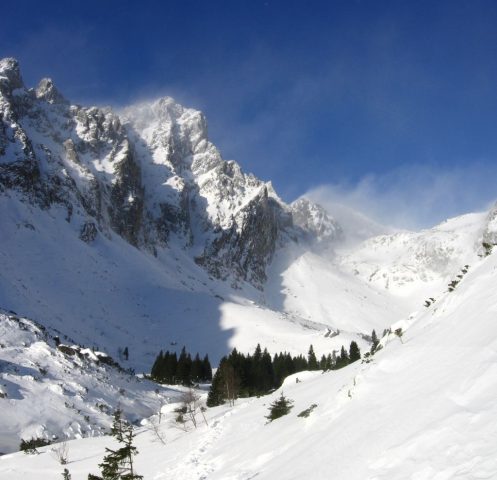
In winter, snow covers the roof and paths. The crowds thin, and the carved window frames and weathered wood stand out. Summer brings wildflowers and birds. Visitors linger on benches, listening to leaves rustle in the mountain air. There’s no rush here.
Koliba shows how Zakopane changed. Once a forgotten corner of an empire, the town became a cultural crossroads. The villa proves that architecture can be meaningful, tied to the history and spirit of a place. It’s part of a story about people who loved these mountains and made them home.
You don’t need to prepare for a visit. There are no rigid rules. Wander through the rooms, stopping where something interests you. The exhibits are curated to let the past feel present.
The villa isn’t on the main tourist trail. There are no flashing signs or loud crowds. Come in the early morning or late afternoon, when the light is soft. You might spend an hour here in near silence. Koliba doesn’t demand attention. It simply stands, solid and unassuming, like the history it holds.