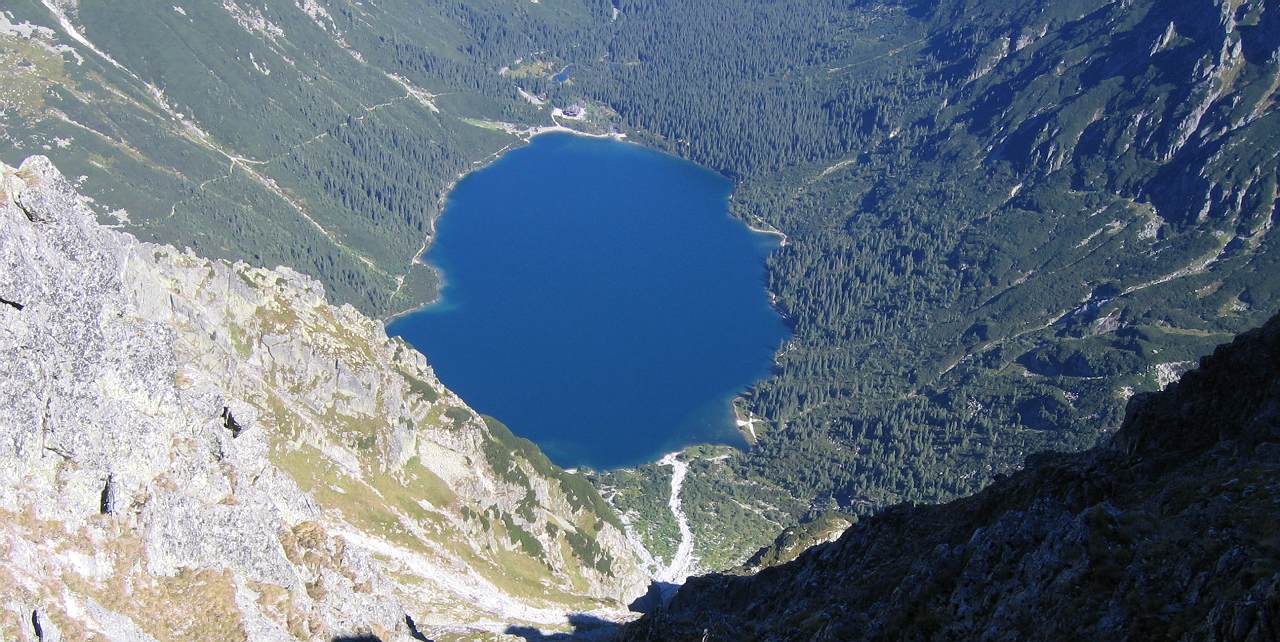
Morskie Oko isn’t just a lake—it’s where the mountains and water meet as if nature carved out this spot for the sole purpose of making people pause and marvel at the world’s grandeur. Nestled in the Tatra Mountains of southern Poland, not far from Zakopane, it has long been one of the most recognizable symbols of the region. Visitors from all over come here, but so do locals, for whom Morskie Oko is a part of everyday life, a reminder that beauty can be found just beyond the next ridge.
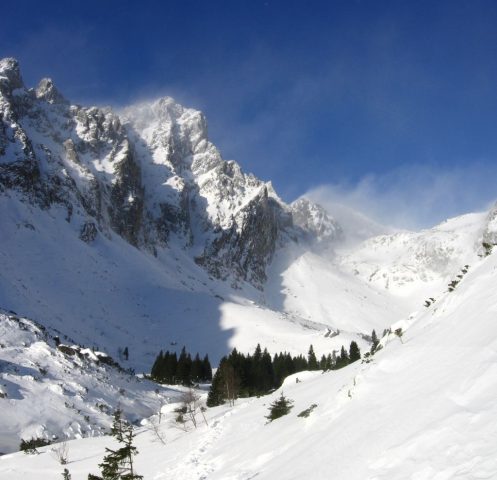
The lake sits at an elevation of about 1,400 meters, cradled by jagged peaks, dense forests, and rocky slopes. The most striking of these is Mięguszowiecki Peak, which towers nearly a thousand meters above the water. On calm days, its reflection shimmers in the lake’s glassy surface—a sight worth every step of the journey. The water is clear and cool, with a faint bluish tint that shifts with the light and weather. In summer, it warms just enough for a quick dip, while in winter, it freezes into a vast, icy expanse.
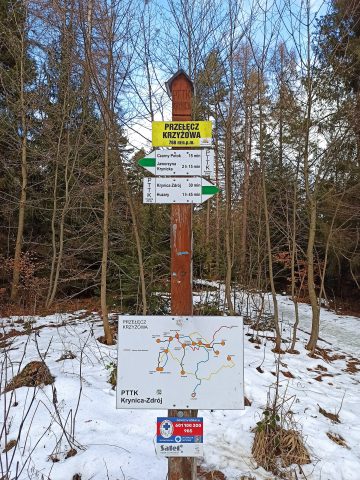
Reaching Morskie Oko is part of the experience. You can walk the well-trodden path from the base of the mountains, a leisurely two-hour hike through valleys, past streams, and beneath towering pines. The air is thick with the scent of resin and damp earth, and with every turn, the landscape unfolds in new ways. Those who prefer a slower pace can take a horse-drawn carriage, listening to the rhythmic clatter of hooves on stone and the occasional banter of the drivers, who know these trails like the back of their hands.
The history of Morskie Oko is intertwined with the rise of tourism in the Tatras. In the 19th century, word of its beauty began to spread, drawing the first adventurers to its shores. Simple shelters gave way to guesthouses, and later, a mountain hut was built near the lake—a place to rest, warm up with tea, or even spend the night. That hut has stood for over a century, a quiet witness to the generations of travelers who have passed through. It’s more than just a stopover; it’s a piece of living history.
The name Morskie Oko translates to "Eye of the Sea," and while the ocean is far from here, on clear days, the lake does seem to stretch endlessly. Local lore claims it’s connected to the Adriatic by underground tunnels, and that a coin tossed into its depths might someday surface in a Venetian canal. Of course, it’s just a story, but it adds to the lake’s mystique. Other tales speak of mountain spirits guarding the waters or of the lake’s healing properties—stories that have been passed down for generations.
The architecture around Morskie Oko is unassuming but purposeful, blending seamlessly into the landscape. The wooden buildings, with their steep roofs and carved balconies, are classic examples of the Podhale style, designed to withstand the mountain climate while complementing the natural surroundings. Even the modern infrastructure—stone paths, rustic bridges, and understated signs—feels organic, as if it grew from the earth rather than being imposed upon it.
Morskie Oko changes with the seasons. In summer, it’s lively with visitors snapping photos, children playing along the shore, and the hum of conversation drifting from the hut. Autumn paints the mountains in gold and crimson, and the lake becomes a mirror for the sky. Winter turns it into a playground for skiers and snowboarders, while the frozen surface becomes a vast, natural rink. Come spring, the melting snow swells the lake, and the whole place seems to wake from a long slumber.
Despite its popularity, Morskie Oko never feels overrun. The crowds thin out as you move away from the main viewpoint, and it’s easy to find a quiet spot along the shore. Maybe it’s the effort required to get here or the way the mountains always retain a sense of wildness, but the place never loses its magic. Even at the height of summer, you can sit by the water, listening to the wind in the pines and the gentle lapping of waves, and feel completely alone.
For many, Morskie Oko is more than a destination—it’s a place to slow down. People come here to think, to breathe, or simply to be. The mountains don’t rush, and the lake doesn’t hurry anyone along. You can spend an hour or a whole day, wandering the trails, climbing nearby peaks, or just sitting with a book. Some stay longer, drawn into the rhythm of mountain life, trying to understand why this place has captivated so many for so long. Whatever brings you here, it’s hard to leave without feeling that you’ve touched something timeless.