The Tatra Museum in Zakopane isn’t just about mountains—it’s about the people who shaped them and the way the peaks shaped them in return. Opened in the early twentieth century, the museum emerged when the region was transforming from a remote highland backwater into a destination for travelers seeking fresh air and dramatic landscapes. Before that, few beyond the Podhale region paid much attention to the local traditions, crafts, or the raw beauty of the Tatras. The museum became a way to preserve what might have been lost as tourism and modernity began to reshape the area: the old ways of building, dressing, and living that had evolved in response to the mountains’ demands.
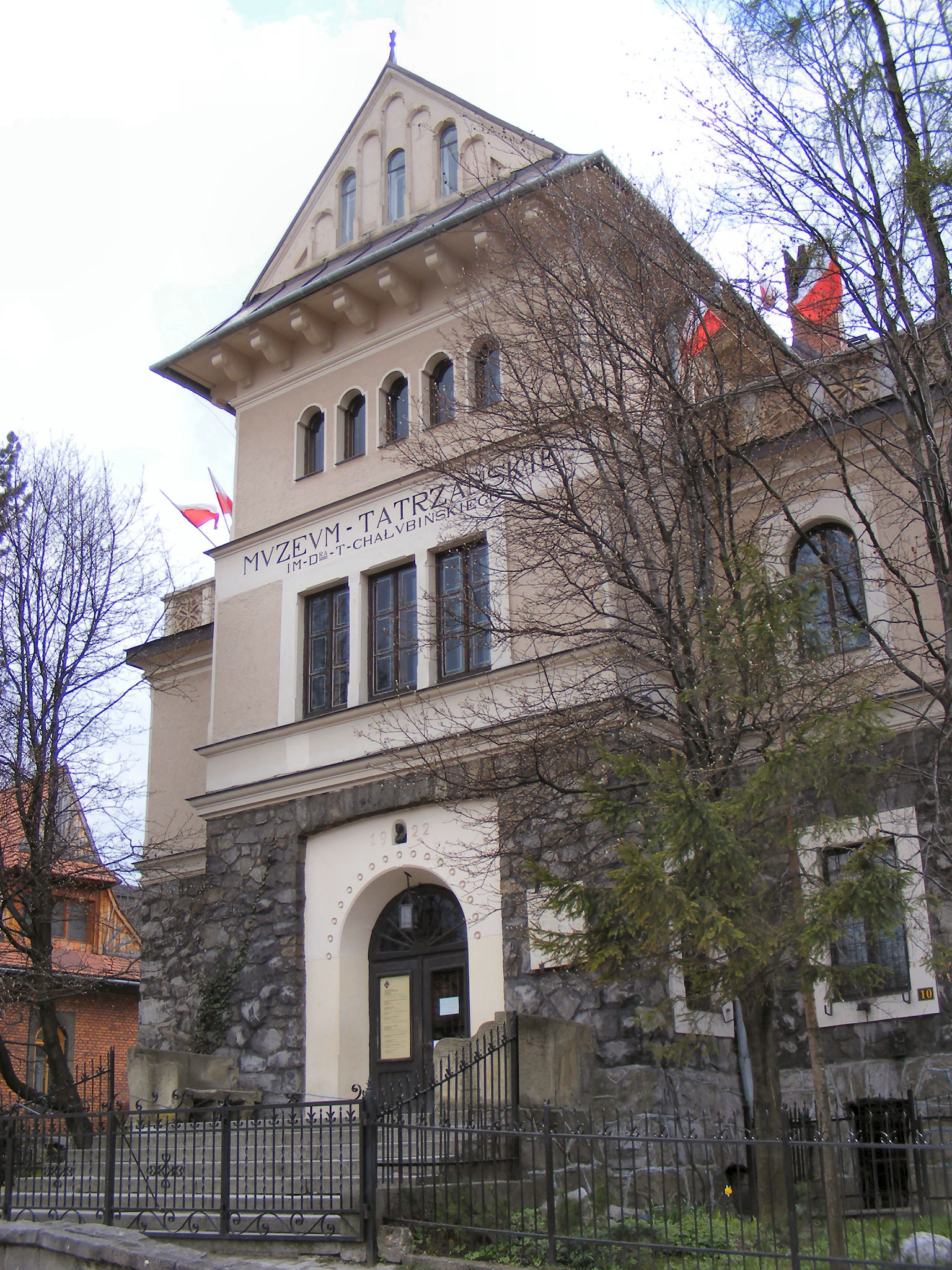
The building itself tells part of that story. Designed in what’s often called the Zakopane style—a blend of folk architecture and Art Nouveau influences—it reflects the practicality and artistry of highland life. The wooden balconies, intricately carved window frames, and steeply pitched roofs weren’t just decorative; they were solutions to the challenges of mountain living, where heavy snowfall and short summers dictated how homes were built. Inside, the walls are adorned with painted motifs that mimic traditional embroidery, while thick wooden beams support the ceilings, just as they did in the old *górale* (highlanders’) cottages. Even without knowing the museum’s purpose, the space feels like a place where history is lived in, not just displayed.
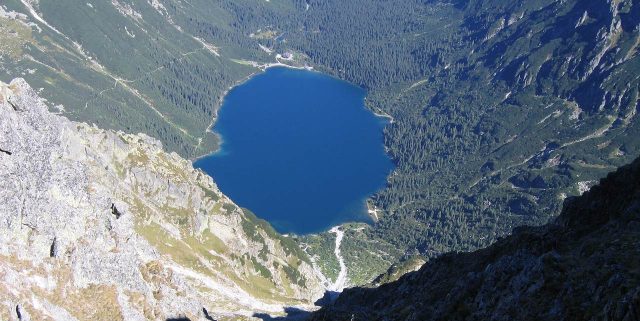
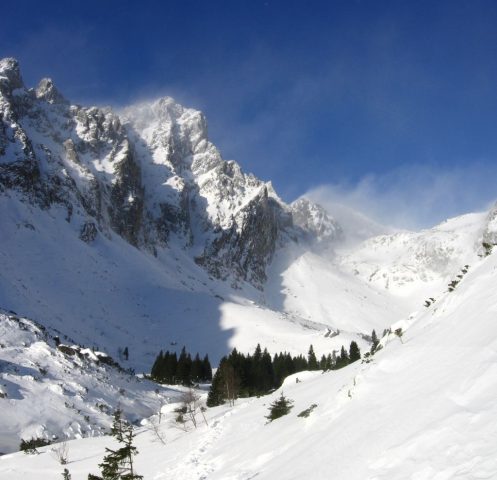
The exhibits begin with the natural world, and for good reason. The Tatras aren’t just a range of peaks—they’re a distinct ecosystem where alpine meadows, dense forests, and jagged cliffs coexist within a small area. The museum’s collection includes taxidermied animals that once thrived here: bears, lynxes, and chamois, alongside less obvious artifacts like pressed flowers from rare plants or rock samples that reveal the region’s geological past. But the real focus isn’t on individual specimens; it’s on the way nature dictated every aspect of life. The mountains determined what could be grown, what materials were available for building, and even how people moved through the landscape.
From the natural world, the exhibits shift to the people who called these mountains home. The *górale* were a distinct community, with their own dialect, customs, and ways of surviving in a harsh environment. The museum’s displays include everyday objects that tell a story of adaptation: wooden spinning wheels, hand-forged axes, and pottery decorated with patterns unique to the region. The most striking items are the traditional costumes, which were more than just clothing. A woman’s apron might indicate her marital status through its embroidery, while the color of a man’s vest could signal his age. These details might seem small, but they were part of a culture that had developed in isolation, shaped by the mountains as much as by human hands.
One of the most compelling sections of the museum explores Zakopane’s rise as a resort town. In the nineteenth century, people didn’t just come for the scenery—they came for the air, believed to have healing properties for those with lung ailments. The exhibits include vintage photographs of the first grand hotels, posters advertising therapeutic treatments, and personal letters from early visitors. There are accounts of how the town evolved from a sleepy village into a fashionable retreat, attracting artists, writers, and aristocrats. Figures like Stanisław Witkiewicz, who pioneered the Zakopane architectural style, and composer Karol Szymanowski, who drew inspiration from local folk melodies, were part of this cultural shift.
Art has always been intertwined with the Tatras, and the museum dedicates a section to the painters, sculptors, and craftspeople who were drawn to the region. The collection features works by local artists depicting mountain landscapes, scenes of *górale* life, and pieces by outsiders who passed through. Some of the most striking paintings capture the play of light on the rocky slopes, not just as a visual effect but as an attempt to convey the feeling of being in the mountains. Wooden and stone sculptures echo the forms of the local terrain, reinforcing the idea that art here was never separate from the natural world. The exhibits suggest that creativity in Zakopane wasn’t just about aesthetics—it was a way of understanding the landscape.
What makes the Tatra Museum different from other regional museums is its quiet insistence that history isn’t just about grand events or famous names. It’s about the way ordinary people lived, worked, and adapted to their surroundings. The exhibits—old photographs, tools, textiles, and paintings—come together like pieces of a puzzle, each one adding to the picture of a place where the mountains were never just a backdrop. You could spend an hour here or half a day, lingering over details and trying to imagine what it was like to call these peaks home.
Today, the museum is one of the few places where you can still sense the spirit of old Zakopane. The town has grown and changed, but stepping into the museum feels like stepping back in time. Outside, the same mountains loom over the streets, unchanged from the days when *górale* herded sheep along their slopes or artists set up their easels to capture the light. The museum doesn’t romanticize the past or pretend that life in the Tatras was easy—it simply presents it as it was, with all its hardships and beauty. In a way, that’s what makes it so compelling: it’s not just a record of history, but a reminder of how deeply people and place can shape each other.