Krzyżne Pass is one of those rare places in the Tatra Mountains where the landscape feels like it’s telling its own story. Perched at around 2,400 meters, it bridges the Kościeliska and Gąsienicowa valleys, serving as both a vital hiking route and a threshold to something deeper. The air here carries the weight of history and legend, as if the mountains themselves have witnessed centuries of footsteps, prayers, and storms. It’s not just the views that draw people—though they are spectacular—but the sense of standing in a place where the earth feels alive in a way that’s hard to describe.
The pass gets its name from a wooden cross that has stood at its summit since the 19th century. Back then, the Tatras were a wild and untamed frontier, a world apart from the lowlands. The local highlanders, the Górale, regarded these peaks as sacred, and the cross became a symbol of protection for those who dared to cross. It wasn’t just a marker; it was a silent guardian for travelers navigating the unpredictable weather, where a clear morning could turn into a blizzard by noon. The cross has been replaced over the years, but its presence remains a quiet reminder of the challenges faced by those who came before.
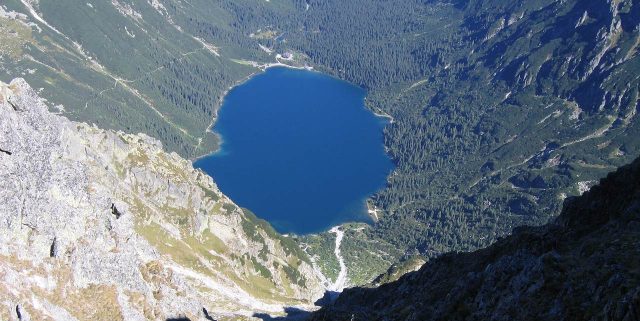
There are several ways to reach Krzyżne Pass, each offering its own rhythm and perspective. The most popular route starts in the Kościeliska Valley, winding through limestone cliffs and dense forests where the scent of pine and alpine herbs lingers in the air. Along the way, you might pass old shepherd huts, their weathered wood blending into the landscape. The path from the Gąsienicowa Valley is steeper, demanding more effort but rewarding hikers with views of high-altitude lakes and jagged peaks. On a clear day, the panorama from the pass stretches endlessly, the Western Tatras unfolding like a vast, untouched canvas where the sky meets the earth in a seamless line.
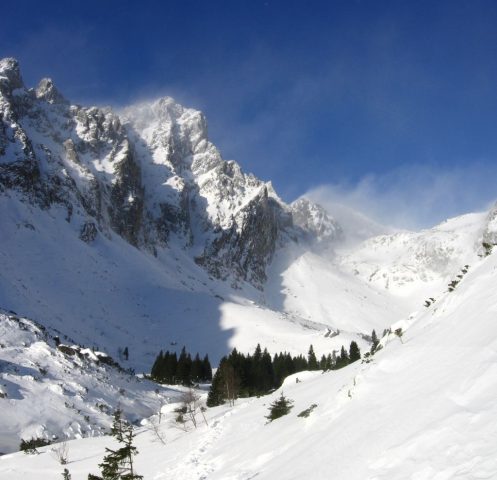
Winter transforms Krzyżne Pass into a different kind of challenge. Snow blankets the ground from November to May, sometimes longer, creating ideal conditions for backcountry skiing and ski touring. But the weather here is fickle—sunshine can give way to a sudden storm, and the wind can howl without warning. Locals and experienced guides always caution against underestimating the mountains; proper gear and preparation are essential. In summer, the pass becomes a refuge for those seeking solitude, a place to escape the crowds and immerse themselves in the raw beauty of the Tatras. The silence is profound, broken only by the wind or the distant call of a bird.
The history of Krzyżne Pass is intertwined with the rise of Zakopane as a mountain destination. In the late 19th century, when the town was just beginning to attract visitors, the pass was one of the first routes carved out by early mountaineering enthusiasts. Simple shelters were built to offer rest to weary travelers, and the trails were gradually improved. Today, those same paths are trodden by thousands, yet the sense of adventure hasn’t faded. Step off the main route, and you’ll find yourself in a world where time moves differently, where the landscape feels untouched by the modern era.
For many, Krzyżne Pass is more than a destination—it’s a place that lingers in the mind long after the visit. The mountains have a way of stripping away the noise of daily life, leaving only the present moment. As the sun sets, casting pink and violet hues across the sky, the pass takes on a quiet magic. Some choose to spend the night in one of the mountain huts, waking before dawn to watch the first light spill over the peaks. It’s a sight that makes the effort worthwhile, a reminder of why people return to these heights again and again.
It’s important to remember that Krzyżne Pass isn’t a theme park—it’s a living, breathing part of the Tatra National Park, and it demands respect. The rules here are simple but strict: stay on the trails, don’t light fires, and carry out what you bring in. The mountains give much, but they also take—weather can change in an instant, and the terrain is unforgiving. Locals and seasoned hikers will tell you that the Tatras are beautiful, but they’re not to be taken lightly. That very unpredictability, though, is what makes the pass so compelling.
Whether you’re an experienced climber or someone setting foot in the mountains for the first time, Krzyżne Pass has something to offer. Some come for the thrill of the ascent, others for the silence, and still others to feel a connection to something larger than themselves. Whatever the reason, the pass leaves an impression. It’s a place where the language of the mountains is spoken in wind, stone, and sky—a language that doesn’t need words to be understood.