Tatra National Park is where Poland’s wild heart beats strongest. Stretching across the southern edge of the country, it encompasses the rugged peaks and deep valleys of the Tatra Mountains, a landscape that feels untouched by time. There are no sprawling resorts or crowded tourist traps here—just forests whispering in the wind, alpine meadows dotted with wildflowers, and the occasional cry of a chamois echoing between the cliffs. The park was officially established in 1954, but its story began long before, when these mountains were a refuge for shepherds, hunters, and early travelers seeking solitude or adventure.
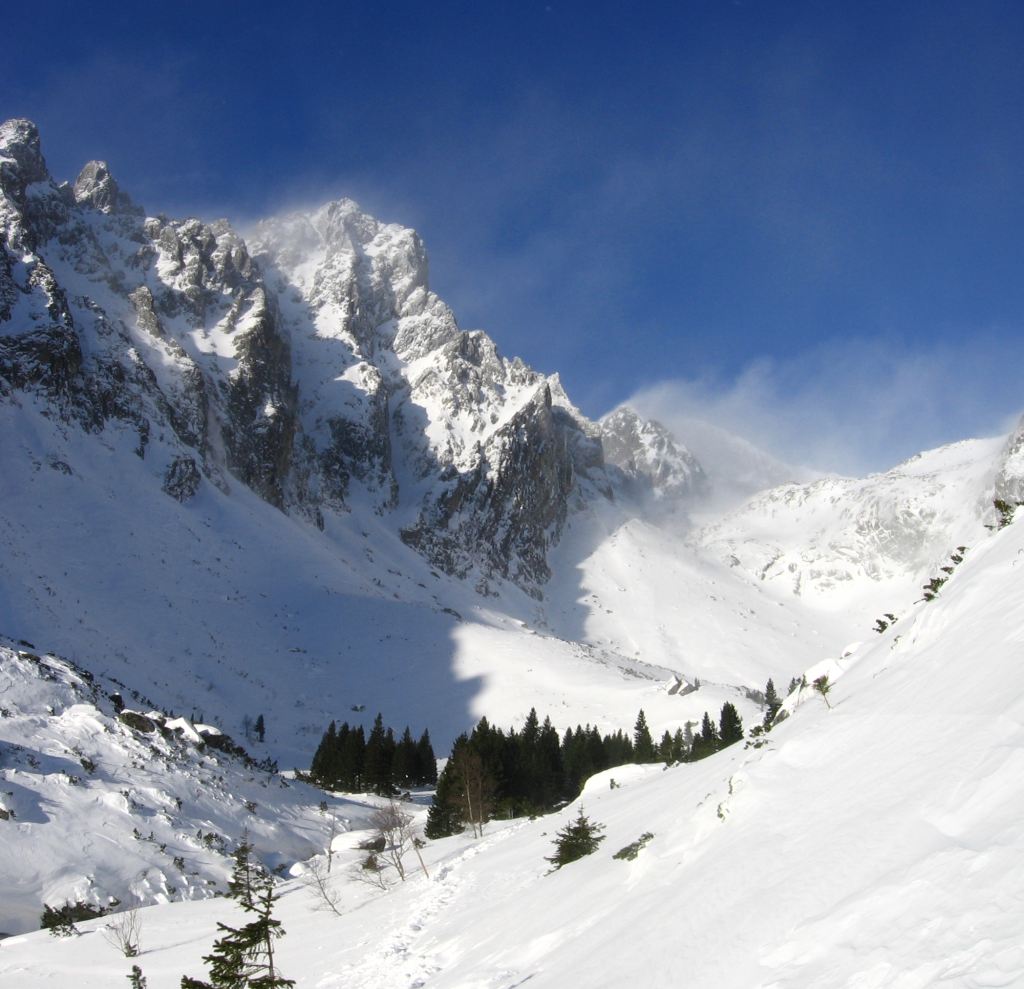
The Tatras are Poland’s highest mountain range, and the park protects an ecosystem found nowhere else in the country. Rare plants cling to rocky outcrops, while chamois—slender, sure-footed creatures that have become the park’s symbol—leap across steep slopes. In spring and summer, alpine meadows burst into color with blooms that thrive only at these altitudes. Below the treeline, dense forests of spruce and beech cloak the mountainsides, but higher up, the landscape shifts to bare rock and hardy shrubs, where patches of snow can linger even in midsummer.
The park’s architecture is subtle but telling. Scattered across the valleys and passes are wooden huts and mountain shelters, some over a century old, built to withstand the harsh climate. These simple structures, with their rough-hewn beams and cast-iron stoves, have sheltered generations of hikers and locals alike. The most famous is the shelter at Hala Gąsienicowa, a modest building that has stood since the early 1900s, offering warmth and rest to those braving long treks. Inside, there are no luxuries—just wooden bunks, a communal table, and the quiet hum of conversation—but that’s part of the appeal. These places feel like stepping into another era, where survival depended on the land and the kindness of strangers.
The park is also a testament to human efforts to preserve what remains of Europe’s wild spaces. In the 19th century, the Tatras were a hunting ground for the wealthy, and many species were nearly wiped out. The idea of protecting the mountains took root then, but it wasn’t until after World War II that the park was formally created. Today, it’s not just a protected area but a living laboratory. Scientists study climate change here, track the recovery of endangered species, and monitor the delicate balance of the ecosystem. The park’s rangers work year-round, maintaining trails, educating visitors, and ensuring that the mountains remain as untamed as possible.
Each season brings a different face to the Tatras. Summer is the busiest time, with hikers tackling routes that range from gentle valley walks to multi-day climbs up jagged peaks. Autumn paints the forests in fiery hues, and the crisp air makes distant ridges appear almost close enough to touch. Winter turns the park into a quiet wonderland, where cross-country skiers glide through snow-covered meadows and snowshoers explore frozen valleys. The main ski resorts lie outside the park’s boundaries, preserving its wilderness. Spring is the quietest season, when the mountains slowly wake from winter’s grip, and the trails are empty except for the occasional early riser.
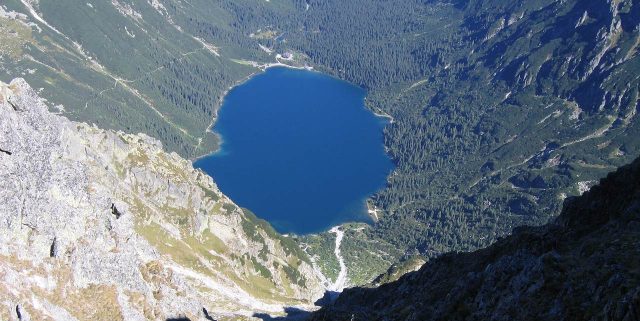
One of the park’s most famous sights is Morskie Oko, a glacial lake cradled in a bowl of towering cliffs. Its name, which translates to "Eye of the Sea," comes from an old legend that the lake is connected to the ocean by hidden underground tunnels. In reality, it was carved by ancient glaciers thousands of years ago, but the water’s clarity makes it easy to believe in the myth. The lake is a starting point for many hikes, whether you’re aiming for the surrounding peaks or just content to wander along its shores. On still days, the reflections of the mountains in the water are so perfect they seem like a mirage.
Beyond the trails and peaks, the Tatras offer something harder to define—a sense of timelessness. Staying overnight in one of the mountain huts is the best way to experience it. As evening falls and the last hikers trickle back to the valleys, the mountains grow quiet. The only sounds are the crackling of a wood stove, the distant jingle of sheep bells, or the wind rustling through the pines. It’s in these moments that the park’s true magic reveals itself. The Tatras have always drawn people not just for the challenge of the climb, but for the way they make the world feel both vast and intimate at once.
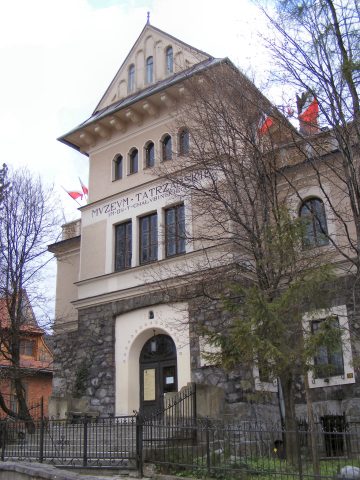
The park is deeply tied to the culture of Podhale, the region at the foot of the mountains. The Górale, the highlanders who have lived here for centuries, still keep their traditions alive. Their music, crafts, and even their dialect are unique, shaped by the isolation of the mountains. In Zakopane, the largest town nearby, wooden villas in the distinctive Zakopane style line the streets, their intricate carvings a nod to the region’s heritage. Local markets sell handwoven wool blankets, carved wooden spoons, and other crafts made using techniques passed down through generations. Even a short walk through the town offers a glimpse into a way of life that has endured despite the passage of time.
Tatra National Park isn’t a place for those seeking manicured landscapes or easy entertainment. There are no amusement rides or guided tours here—just the raw beauty of the mountains and the challenge of exploring them on their terms. The trails can be steep, the weather unpredictable, and the terrain unforgiving. But for those willing to meet the mountains halfway, the rewards are immeasurable. Whether you spend a day or a month here, the Tatras have a way of revealing themselves slowly, layer by layer, like the unfolding of a story. The key is to approach them with respect, patience, and an openness to whatever they choose to show you.