Victoria Park in Nuwara Eliya feels like a place where time moves differently, as if the past and present have settled into an easy coexistence. Nestled in the heart of Sri Lanka’s hill country, the park is a quiet remnant of the colonial era, when British officials and their families sought refuge from the tropical heat in this cool, misty town. Nuwara Eliya was once their summer retreat, a slice of England transplanted into the highlands, and Victoria Park was its centerpiece—a carefully tended space where roses bloomed alongside imported palms, and gravel paths led to shaded benches where officers might have paused for tea.
The park was established in the late 19th century, named in honor of Queen Victoria, whose reign marked the height of British influence on the island. It began as a private garden for colonial administrators, but over time, it grew into something more—a living collection of plants gathered from across the empire. Today, it remains one of the few places in Sri Lanka where you can see such a diverse range of flora in one place. Towering rhododendrons burst into color in spring, while South American palms stand tall beside native trees. A small pond at the center, home to ducks and the occasional swan, adds a touch of whimsy, as if lifted from an English countryside estate.
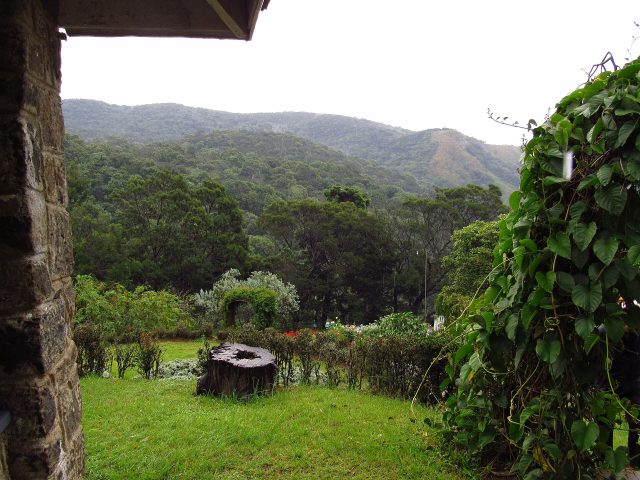
What makes Victoria Park special is how it balances two worlds. On one side, it’s a meticulously maintained public space, with manicured lawns and flowerbeds that wouldn’t look out of place in a London park. On the other, it borders the wild edges of Sri Lanka’s highlands, where dense forests and rushing streams lie just beyond the hedges. In the rainy season, the air is thick with the scent of damp earth and blooming flowers, and the paths soften underfoot with fallen leaves. The contrast is subtle but unmistakable—the order of the colonial garden giving way to the untamed beauty of the island.
For birdwatchers, the park is a hidden gem. Its elevation and variety of plants attract a remarkable number of species, including some of Sri Lanka’s rarest birds. Sunbirds flit between flowers, their iridescent feathers catching the light, while bulbuls fill the air with their cheerful songs. During migration season, the park becomes a temporary home for visitors from as far as Siberia and Europe, turning a quiet walk into an unexpected encounter with nature. Even without a guide, it’s easy to lose track of time watching the birds go about their day.
The park’s architecture is understated but charming. Old-fashioned lampposts line the paths, their ironwork slightly rusted from years of mist and rain. Small stone bridges cross narrow streams, and wooden gazebos offer a place to sit and take in the view. The real magic, though, happens in February and March, when the park hosts its annual flower show. For a few weeks, the lawns and flowerbeds are transformed into vibrant displays, with local gardeners competing to create the most striking arrangements. Even outside of the show, the park is always in bloom—azaleas in spring, orchids in summer, and golden leaves in autumn.
Victoria Park isn’t just a tourist attraction; it’s part of the rhythm of life in Nuwara Eliya. In the mornings, you’ll find locals jogging or practicing yoga on the grass. By afternoon, families gather to feed the ducks or let their children run along the paths. In the evenings, couples stroll under the soft glow of the lampposts, and on weekends, the park comes alive with picnics, impromptu cricket matches, and the occasional musician playing for passersby. There’s no rush here, no sense of being herded from one sight to the next—just the quiet pleasure of a place that exists for its own sake.
What’s striking about Victoria Park is how unassuming it is. Unlike the crowded beaches of the south or the bustling streets of Colombo, Nuwara Eliya moves at its own pace, and the park reflects that. It’s never too busy, even when visitors wander in from nearby tea plantations or the waterfalls beyond the town. You could spend an hour here or an entire afternoon, reading on a bench or watching the way sunlight filters through the trees. And if you feel like exploring further, the rest of the highlands is right at your doorstep—rolling tea estates, hidden waterfalls, and winding roads that lead deeper into the mist.
More than just a park, Victoria Park is a place where history lingers without demanding attention. It’s a reminder of how the British tried to recreate home in a foreign land, but also of how that legacy has been absorbed into Sri Lanka’s own story. Today, it belongs as much to the locals as it does to the tourists who wander its paths. For some, it’s a place to escape the heat; for others, a spot to meet friends or simply watch the world go by. In the end, its greatest appeal might be its ordinariness—it doesn’t try to impress, but somehow, in its quiet way, it does.