Nuwara Eliya is called Sri Lanka’s Little England. The air is cooler here, the hills softer, the gardens more orderly. Nearly two thousand meters above sea level, surrounded by tea plantations, the town feels like a quiet corner where time moves slowly. Just beyond its manicured lawns lies Hakgala Botanical Garden—one of the island’s oldest green spaces.
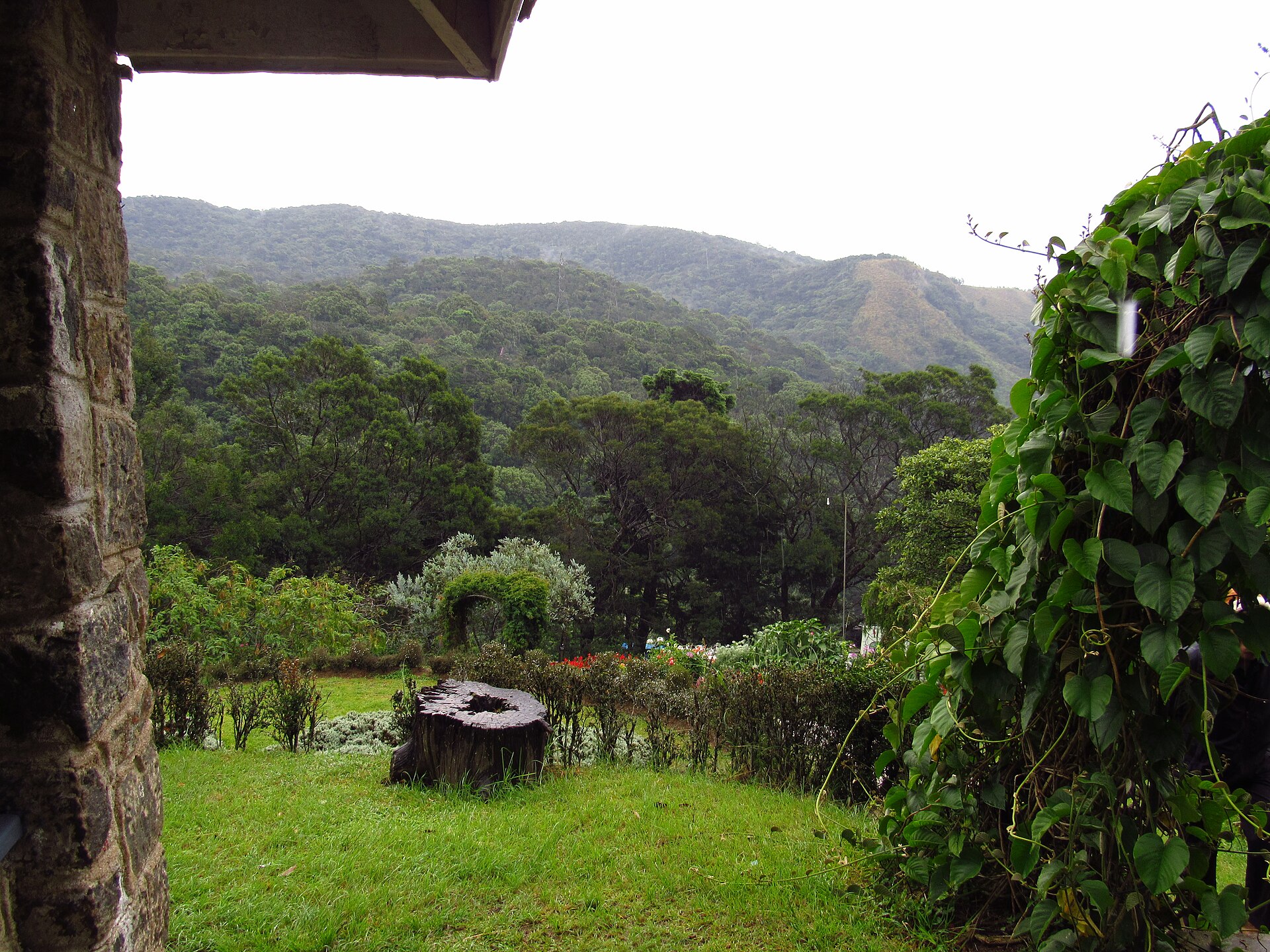
The garden sits at the foot of Hakgala Mountain. The name means Moonstone, but the real magic is in the land. Local legends say this was once part of the demon king Ravana’s gardens, where rare healing herbs grew. The stories can’t be proven, but the atmosphere feels otherworldly, especially in the early morning when mist clings to the valleys and sunlight filters through the trees.
Hakgala’s official history began in the mid-19th century. British colonizers saw potential in these highland slopes. Their first mission was to cultivate cinchona trees, the source of quinine, the only malaria treatment at the time. Sri Lanka became a key supplier for the British Empire. Hakgala was the experimental ground for growing the precious bark. Later, the garden expanded to include tea, coffee, and spices. Today, it’s a research center and a living museum of plants from across the globe.
Walking through Hakgala is like moving between different worlds. One moment, you’re in a tropical thicket where vines twist around towering trees and ferns grow as tall as people. The next, you’re in a drier section where cacti and succulents thrive in the cooler climate.
The rose garden is a highlight. Roses flourish here in a way they rarely do in Sri Lanka’s heat. In peak season, their scent lingers in the air. Then there are the orchids—some found nowhere else on the island—adding splashes of color to the green landscape.
Hakgala isn’t just a collection of plants. It’s a thriving ecosystem. Monkeys dart through the undergrowth. Birds—some rare, some common—flit between the branches. During migration season, the garden becomes a temporary home for passing species. The only sounds are the rustle of leaves, the distant chatter of birds, and the occasional scurry of a small animal.
The garden’s design blends into the natural surroundings. Stone paths wind through the trees. Small bridges cross babbling streams. Lookout points offer views of the misty hills beyond. There’s a greenhouse near the center, used for nurturing young plants. More impressive are the ancient trees, their sprawling canopies providing shade. Some were planted during colonial times.
Hakgala changes with the seasons. Spring turns the garden into a riot of color as rhododendrons, magnolias, and azaleas bloom. When the monsoon rains arrive, the paths grow damp, and the foliage deepens in color. Autumn brings cooler air and thicker mists. By winter, the garden feels subdued, but the mountain views are at their clearest.
Why rush?
Unlike the botanical gardens in Kandy or Peradeniya, Hakgala rarely feels crowded. There’s no set route—just winding paths leading to quiet corners, benches by ponds, and hidden clearings. You can sit and listen to water trickling over stones. For those seeking peace, Hakgala offers exactly that: a place to step away from the noise.
The garden is a short distance from town. Mornings are the best time to visit, when the light is soft and the air still holds a chill. Entry is inexpensive. A small café serves tea and snacks, but many bring their own thermos and picnic on the grass.
What makes Hakgala special? There are no artificial displays, no forced entertainment. It’s simply a garden—wild in places, carefully tended in others. For travelers who want a moment of stillness, Hakgala is a rare find. It doesn’t demand attention. It just offers a space to breathe.