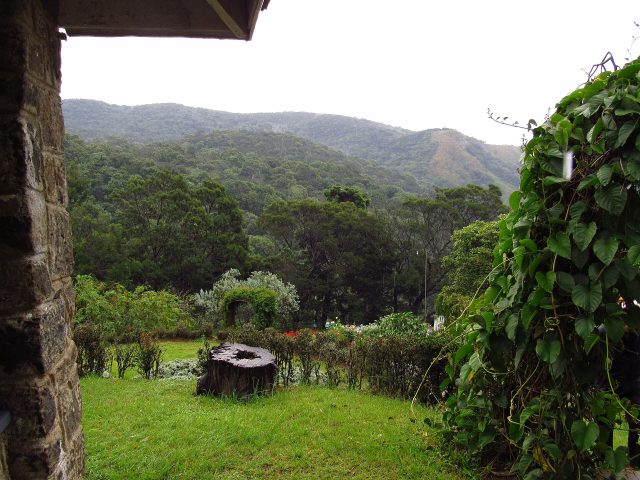
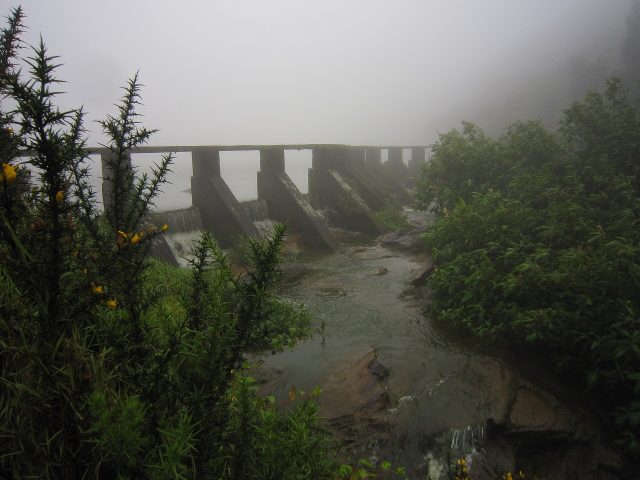
St. Andrew’s Cave is one of those rare places in Sri Lanka where time seems to move differently, where history, nature, and faith intertwine so effortlessly that the outside world fades into the background. Tucked away in the lush foothills near Nuwara Eliya, this quiet grotto draws not just pilgrims but anyone seeking solitude far from the well-trodden tourist paths. There are no crowds here, no hustle, no guides trying to sell you a story—just moss-covered rocks, the murmur of a nearby stream, and the soft mist that often lingers over the landscape, giving the place an air of quiet mystery.
The cave takes its name from St. Andrew, one of the twelve apostles of Christ, though its history stretches far beyond Christian tradition. Local legend says the saint once rested here during his journey to India, and since then, the site has been considered sacred. But the cave’s past is much older. Archaeological evidence suggests that prehistoric people used these natural shelters as refuge from storms and predators long before any religious significance was attached to them. Later, with the spread of Buddhism across the island, the cave may have served as a retreat for monks seeking isolation in the mountains.
The cave itself is modest in size—barely twenty meters deep, with ceilings low enough in places that you’ll need to duck. Inside, the air is cool and damp, the walls slick with moisture, and the scent of earth and decaying leaves hangs in the air. At the far end, a small altar holds an image of St. Andrew, where visitors leave flowers and light candles. Nearby, a natural spring trickles from the rock, its water believed by locals to have healing properties and bring good fortune, though there’s no scientific basis for such claims.
The surrounding forest is dense, filled with towering tree ferns, eucalyptus, and thickets of bamboo. The path leading to the cave winds between boulders and gnarled roots, passing small waterfalls that swell during the rainy season. On clear days, the view from the nearby hills stretches over the Nuwara Eliya valley, where tea plantations roll like green waves and red-roofed cottages dot the landscape. It’s easy to imagine monks or travelers from centuries past pausing here, taking in the same view, their footsteps long erased by time.
This isn’t a place for grand adventures or loud entertainment. St. Andrew’s Cave is for those who appreciate slow walks, quiet reflection, and the chance to feel the weight of history in the air. Unlike many of Sri Lanka’s more famous sites, there are no strict rules here—no opening hours, no entry fees, no one telling you where to go. You can arrive at dawn to watch the first light filter through the mist or stay until dusk, when the rocks glow gold in the fading sun. The only real requirement is to take your time, to sit by the entrance and listen to the forest breathe.
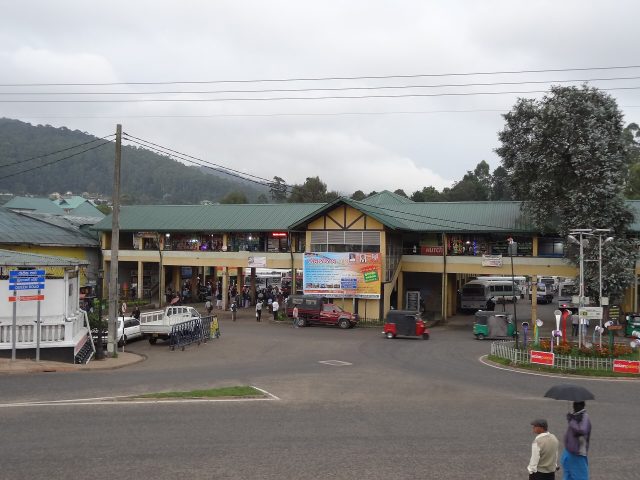
Despite its religious significance, the cave has never become a major pilgrimage site. Maybe it’s the remote location, or perhaps it simply doesn’t fit the usual image of Sri Lanka as a destination of beaches and ancient temples. There are no luxury hotels nearby, no restaurants, just a small village where life moves at the pace of the seasons. For those who make the journey, though, it feels like discovering a secret—a quiet corner of the world where the noise of modern life fades into the background.
In recent years, the cave has started to attract photographers and eco-tourists drawn to its raw, almost mystical atmosphere. The mist that often shrouds the area creates a sense of seclusion, as if the cave exists in its own timeless bubble. Locals ask visitors to treat the place with respect: no littering, no loud noises, no altering its natural state. After all, the cave’s true value isn’t in its appearance but in the sense of peace it has preserved for generations.
If you find yourself in Nuwara Eliya, it’s worth setting aside a few hours to visit. The drive takes about half an hour, followed by a short walk along a forest trail that’s an experience in itself. Bring a jacket—the mountains can be chilly even in the daytime, and the cave is even cooler inside. Don’t expect fireworks or exotic thrills. St. Andrew’s Cave is for those who know how to appreciate silence, history, and the beauty of simplicity. There’s nothing unnecessary here, and perhaps that’s why it lingers in the memory long after you’ve left.