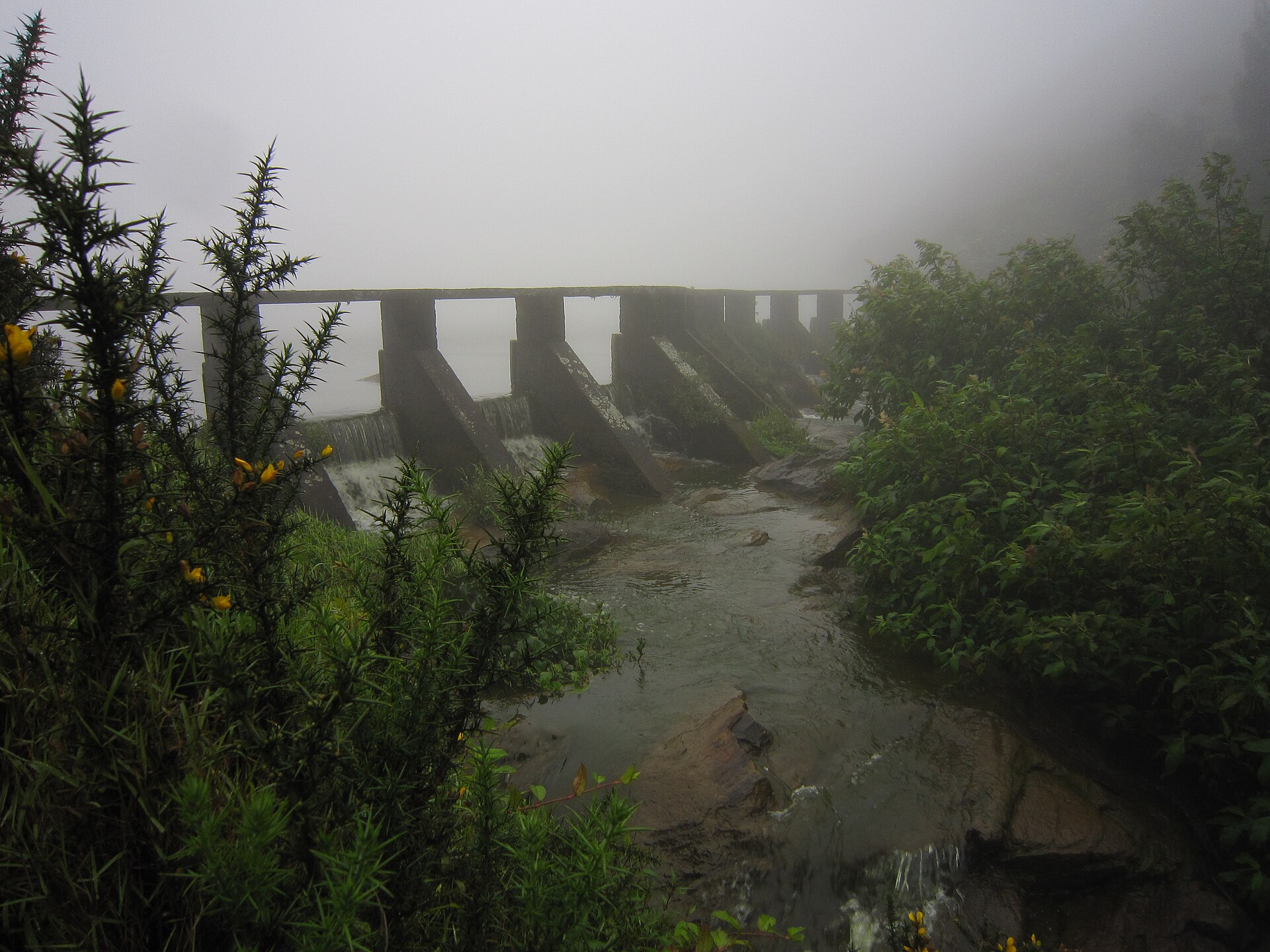
Nuwara Eliya has a way of slowing time down, and Gregory Lake is where that feeling is strongest. Tucked into the heart of the town, the lake sits quietly among rolling hills, its surface often veiled in morning mist that softens the edges of the landscape. It’s not a large body of water, but its presence is impossible to ignore—calm even when the rest of the town hums with activity. Locals and visitors come here for simple things: a walk along the shore, a moment on a bench, or a boat ride as the sun dips behind the hills. There’s no rush, no agenda, just the quiet rhythm of water and wind.
The lake’s origins trace back to the British colonial era, when Nuwara Eliya was a favored retreat for officials and officers escaping the heat of the lowlands. In the mid-19th century, Governor William Gregory commissioned the creation of an artificial reservoir, both as a water source and an aesthetic addition to the town. What was once a marshy depression became a lake, named after the man who envisioned it. Today, it stands as one of the few tangible reminders of that time, when the town was a bastion of British administration on the island. The lake’s history isn’t grand or dramatic, but it’s woven into the fabric of the place, a quiet witness to the changes that have shaped Nuwara Eliya over the decades.
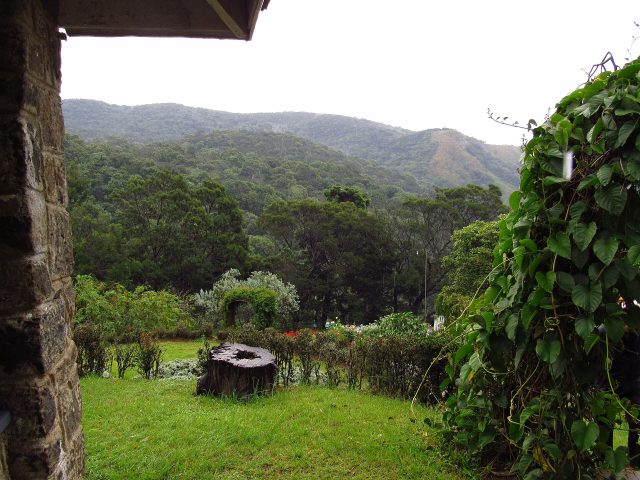
The architecture around Gregory Lake is understated, blending seamlessly with the landscape rather than dominating it. A few colonial-era buildings still line the shore—former clubs or residences for British officers, now repurposed as cafes or small guesthouses. Their wooden verandas and pitched roofs feel at home here, especially in the evening when lanterns cast a warm glow over the water. There are no grand monuments or ornate structures, just a handful of weathered buildings that add character without drawing attention to themselves. The real attraction is the lake itself, its surface reflecting the changing light and the surrounding hills.
For those who live in Nuwara Eliya, Gregory Lake is more than just a scenic spot—it’s part of daily life. In the early mornings, fishermen cast their nets, hoping for a catch of trout or another freshwater fish. Schoolchildren ride bicycles along the paths or play near the water’s edge, their laughter mixing with the calls of birds. On weekends, families spread out blankets for picnics, sharing food and stories under the shade of trees. The lake doesn’t belong to tourists; it belongs to the town, and that’s evident in the way people move around it—unhurried, familiar, as if it’s always been there and always will be.
A walking trail loops around the lake, winding through small groves and open meadows. The path is gentle, taking about an hour to complete, and offers more than just views of the water. From certain vantage points, the surrounding hills come into focus, their slopes covered in neat rows of tea bushes. On clear days, the distant peak of Pidurutalagala—the highest mountain in Sri Lanka—rises above the horizon, its presence a quiet reminder of the island’s dramatic geography. The trail is popular with those who want a taste of nature without venturing far from town, and it’s easy to see why. There’s something grounding about the way the path circles back on itself, as if inviting you to linger a little longer.
Gregory Lake also offers a subtle sense of the seasons, something that’s easy to miss in a place where the weather is mild year-round. While the rest of Sri Lanka swelters in the heat, Nuwara Eliya remains cool, and the lake feels the shift more acutely. In summer, the water is crisp and clear, the air fresh with the scent of damp earth. Winter brings a different kind of chill—December through February can see temperatures drop to around ten degrees, and mornings often arrive with a thin layer of mist clinging to the grass. Frost isn’t unheard of, and the lake takes on a hushed, almost mystical quality, as if it’s holding onto secrets from another time.
Despite its popularity, Gregory Lake has resisted becoming a tourist spectacle. There are no flashy attractions, no loud music or crowded promenades. Instead, the lake offers something rarer: stillness. The only sounds are the occasional ripple of water, the cry of a bird, or the distant chatter of people enjoying a quiet afternoon. Boats drift lazily across the surface, and those who prefer to stay onshore can find a bench or a patch of grass to settle into. It’s a place where time doesn’t just slow down—it almost feels like it stops, if only for a little while. For many, this is where Nuwara Eliya reveals its true character, a town that moves to its own gentle rhythm.
In recent years, the area around the lake has seen some improvements—new picnic spots, better-maintained paths, and additional seating. Yet these changes haven’t altered the lake’s essential nature. It remains a place of quiet beauty, where the biggest draw is the chance to step away from the noise of everyday life. Whether you’re here for an hour or a whole afternoon, the lake has a way of making the rest of the world feel distant. That’s probably why people keep coming back, whether they’re passing through or staying awhile. In a town that’s often described as Sri Lanka’s "Little England," Gregory Lake feels like the heart of something far simpler and more enduring.