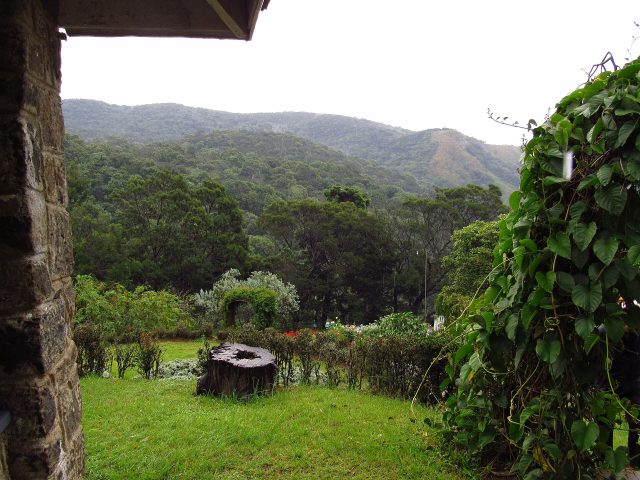
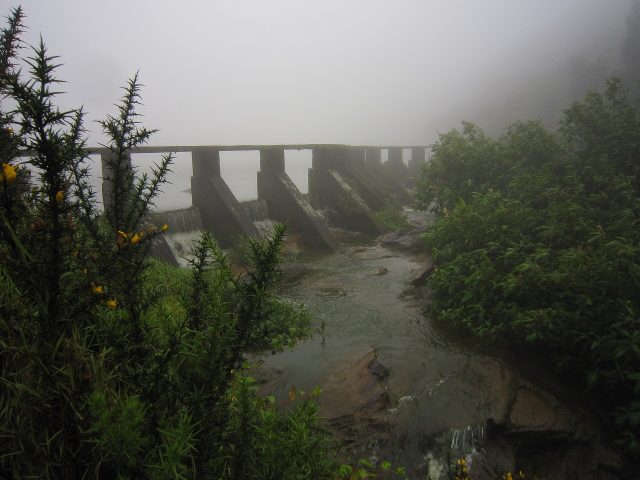
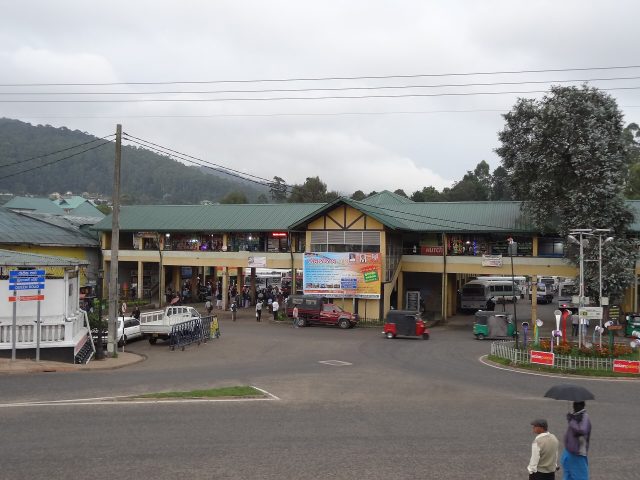
Horton Plains sits where the island’s highlands meet untouched wilderness. At nearly two thousand meters above sea level, the park covers a windswept plateau, framed by misty forests and cliffs. The air here is cooler than elsewhere in Sri Lanka, and morning fog often drapes the land in stillness. Unlike the tropical beaches and palm groves, Horton Plains feels different—dwarf bamboo, stunted trees, and heather-like shrubs grow in the crisp mountain climate.
The park is named after Sir Robert Horton, a British governor of Ceylon in the early 1800s. Locals knew it as Maha Eliya, or the Great Plain. For centuries, the plateau remained unexplored, its beauty hidden. The British arrived during the colonial era, drawn by the cool climate and game-rich forests. They introduced tea plantations to the surrounding hills, creating a contrast between the wild plateau and the orderly rows of cultivated bushes still visible today. While Horton Plains is now protected, old footpaths and remnants of colonial infrastructure remain.
The park’s most famous feature is World’s End, a sheer precipice plunging nearly eight hundred meters into the valley below. On clear mornings, the view stretches toward the distant Indian Ocean. More often, though, clouds obscure the drop, adding to the mystery. Nearby, Little World’s End offers another perspective on the landscape’s vastness. These spots draw photographers and travelers for the way the land seems to blur the line between earth and sky.
Horton Plains shelters rare wildlife. The Sri Lankan leopard, red-faced macaques, and birds like the Ceylon junglefowl and Sri Lanka wood pigeon live here. The vegetation includes ancient tree ferns, orchids, and carnivorous sundew plants that trap insects. The park changes with the seasons—during rains, trails grow slick, and the air smells of damp earth and pine. In dry months, the landscape turns golden, and sunlight filters through the sparse canopy.
Walking through Horton Plains is slow. The most popular route leads to World’s End and back, a journey of about three hours. It winds past waterfalls, streams, and meadows. The park feels quiet, unlike crowded tourist spots. But the weather shifts quickly—sunshine can turn to rain or fog in minutes. Trails are well-marked, though some sections are slippery after rain.
Why do scientists study Horton Plains?
They monitor endangered species and track changes in its montane ecosystems. The park is a refuge for biodiversity, with many plants and animals under threat. For locals, the plateau holds deeper meaning—some believe ancestral spirits reside here. Even without legends, the land feels guarded by time.
Visit early in the morning, when mist clings to the hills. The plateau can be chilly, even on warm days, so layers help. The sun is stronger at this altitude, so sunscreen and a hat matter. There are no shops or cafes inside, so bring water and a snack. Sturdy shoes are a must—some paths are muddy or uneven.
Horton Plains isn’t for thrill-seekers. It offers something quieter—a chance to step away from noise. Walking its trails feels meditative. The light shifts across the grass, shadows stretch and shrink, and the only sounds are wind and birds. For many, this is what makes it memorable—not adventure, but the peace of a place where time slows.