Bergamo is a city of two halves. The lower part is modern, with wide boulevards, shopping centers, and the noise of daily life. Above it, on a steep hill surrounded by medieval walls, is the Città Alta—the Upper City. It feels like another time. You can reach it by funicular, watching the streets below shrink, or walk up winding paths. The air gets cleaner with each step, and the quiet grows. When you arrive, the view alone justifies the climb: the Po Valley stretches out, framed by the Alps.
The Upper City’s history starts with Celtic tribes, who settled here for its natural defenses. The Romans later fortified the site, though little remains of their time. By the Middle Ages, Bergamo was a key trading post, and the Città Alta was its heart. Milan and Venice fought over it, leaving behind towers, palaces, and churches that still stand.
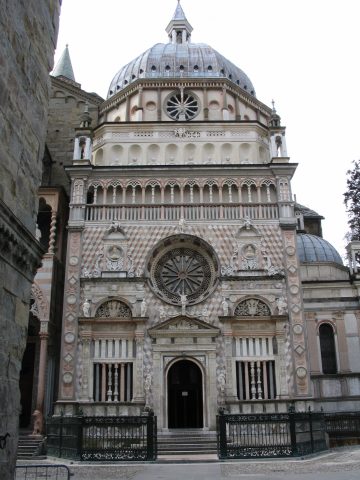
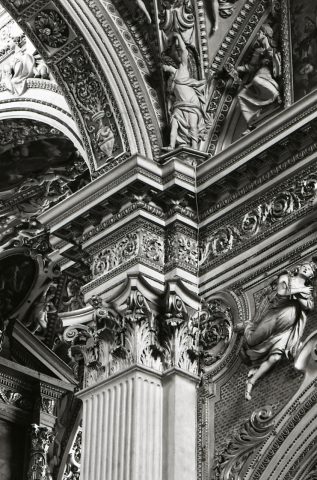
Start at Piazza Vecchia. It’s surrounded by Venetian-era buildings, with the Palazzo della Ragione, Lombardy’s oldest town hall, at its center. The Campanone tower nearby offers views of the Alps on clear days. The square is always busy—tourists gather at the Contarini Fountain, locals drink coffee under the arcades, and street musicians play. Just off the square is the Basilica of Santa Maria Maggiore, built in the 12th century on an older temple’s site. Inside, marble columns, frescoes, carved choir stalls, and tapestries cover the walls.
From Piazza Vecchia, narrow streets branch out. Via San Giacomo is lined with houses whose wooden balconies sag under drying laundry. Small shops sell local cheeses, olive oil, and wine. The Church of San Giacomo, tucked along this street, is small but rich in atmosphere. Its walls hold 15th-century frescoes. Step off the main path, and you’ll find quiet courtyards where artisans work—potters, lacemakers, and luthiers crafting instruments by hand.
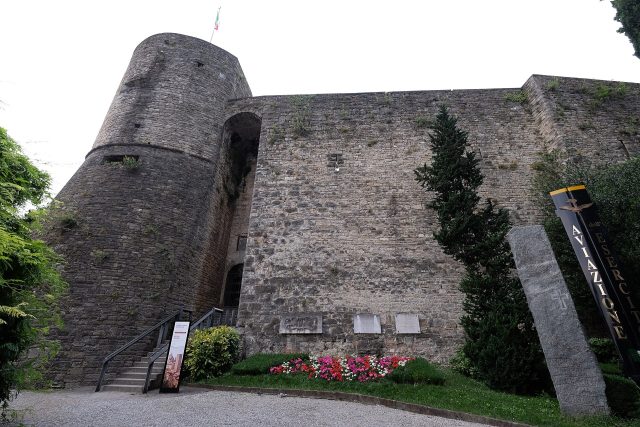
The Rocca overlooks the city. This 14th-century fortress once symbolized power. Today, its walls offer one of the best views of the Po Valley and the Alpine foothills. Inside, the Museum of Bergamo’s History traces the city’s evolution through artifacts, medieval weaponry, documents, and paintings. The fortress was more than a defensive stronghold; it was a statement of authority.
The Upper City is still alive. Even in peak season, you can find quiet corners where the only sounds are church bells and rustling leaves. Locals maintain old houses, tend hidden gardens, and keep traditions. One of these is the Festa di Sant’Alessandro, the city’s patron saint festival. Streets fill with processions in historical costumes, flower displays, and medieval markets. It feels real, not staged.
Evening changes the Upper City. The setting sun casts long shadows, and streetlamps soften the old buildings’ edges. On Piazza Vecchia, musicians play—violin, accordion. Restaurants serve dishes that have been part of Bergamo’s cuisine for generations: polenta with game sauce, casoncelli stuffed with herbs and cheese, and local wine. There are no loud bars, just quiet conversation and the clink of glasses.
Bergamo is often overlooked by travelers between Milan and Venice. Those who visit find something rare. The Upper City isn’t just an open-air museum; it’s a place where history is lived. You could wander its streets, duck into small churches, or watch daily life unfold. Or you could sit on a bench along the fortress walls, looking over the valley while the wind moves through the trees. In moments like these, it’s clear why this place matters to those who live here.