Uzgen is one of those quiet places that rarely makes it onto the usual travel itineraries, tucked away in southern Kyrgyzstan where the pace of life feels slower, the landscapes softer, and the past more tangible. The Uzgen Historical and Local Lore Museum sits at the heart of this small town, housed in a building that has witnessed generations come and go. It’s not a grand institution with polished exhibits and crowds of visitors, but rather a modest space where history feels lived-in, where the weight of time lingers in the air.
The museum occupies what was once a caravanserai, built in the late 19th century—a structure designed for travelers moving along the old trade routes. Its thick clay walls and high ceilings were meant to offer shelter from the harsh Central Asian sun and the occasional storm, while the inner courtyard provided a place to rest and trade. The architecture is unassuming but purposeful: small windows let in just enough light, wooden beams support the roof, and the occasional carved door or arched passageway hints at the craftsmanship of a time when merchants and pilgrims passed through these doors. Walking inside, you can almost hear the echoes of conversations in different languages, the clatter of hooves, and the murmur of deals being struck.
The exhibits span thousands of years, beginning with artifacts from the region’s earliest inhabitants. There are fragments of pottery, tools, and jewelry unearthed from nearby archaeological sites, each piece telling a small story about the nomadic cultures that once roamed these lands. But the museum’s most compelling section is devoted to the Karakhanid dynasty, which ruled here between the 10th and 12th centuries. Uzgen was a significant city during this period, a center of trade and learning in the Fergana Valley. The museum displays coins, ceramic tiles, and intricately carved stone fragments from the era, offering a glimpse into a time when the town thrived under the rule of a dynasty that left behind some of Central Asia’s most striking architectural monuments—the minaret and mausoleums that still stand nearby.
A separate hall is dedicated to the ethnography of the Kyrgyz people, where everyday life from the past is brought to life. Traditional yurts, handwoven textiles, and silver jewelry fill the space, alongside tools used for farming and herding, the two occupations that have shaped life in this region for centuries. There are wooden looms, embroidered fabrics, and household items that have been passed down through families, each object a testament to the skills and traditions that have endured despite the passage of time. It’s easy to imagine how these items were once part of daily routines—how a woman might have spun wool by the fire, or how a shepherd would have used a simple wooden staff to guide his flock.
The museum doesn’t shy away from more recent history either. One section covers the Soviet era, with photographs, documents, and household items that reflect the changes Uzgen underwent in the 20th century. There are images of newly built schools and hospitals, as well as objects that speak to the industrial development of the time. But even here, the focus remains on the people—their lives, their work, and the traditions that persisted despite political shifts. You can see how old customs, like wedding ceremonies or national holidays, adapted to new circumstances, blending the old with the new in ways that still define life in Uzgen today.
What makes this museum different from larger, more polished institutions is its intimacy. There are no crowds, no rush, no pressure to move quickly from one exhibit to the next. The displays are arranged thoughtfully but without pretension, allowing visitors to take their time, to read the labels, and even to touch some of the objects. The staff, often locals with deep ties to the town, are happy to share stories if you ask—they might point out a particular artifact and explain its significance, or tell you about the history of the building itself. It’s the kind of place where history feels personal, where the past isn’t just something to observe but something to engage with.
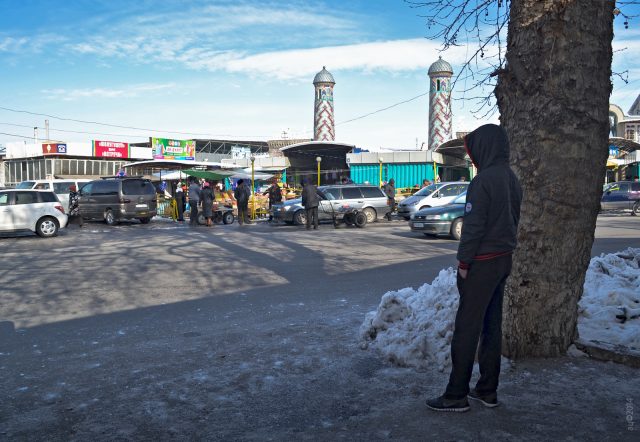
Uzgen itself is a town that rewards those who take the time to explore it. Beyond the museum, there are the medieval mausoleums and the minaret, standing as silent witnesses to the city’s former glory. The old quarter, with its narrow streets and low-slung houses, feels like a step back in time, while the bazaar offers a taste of modern life, with vendors selling everything from fresh produce to handmade crafts. The museum serves as a perfect introduction to the town, a place where you can begin to understand how Uzgen’s history has shaped its present.
Visiting the Uzgen Historical and Local Lore Museum isn’t about ticking off another tourist attraction. It’s about slowing down, about seeing Kyrgyzstan in a way that goes beyond the usual highlights. There are no flashy displays or interactive exhibits here, just a quiet collection of objects that tell the story of a place and its people. In the end, that’s what makes it worth the visit—not the grandeur, but the authenticity. History, after all, isn’t just about dates and events; it’s about the lives that were lived, the hands that crafted these objects, and the stories they carry with them.