The Shrine of Bahá’u’lláh in Bahjí is one of those rare places that feels both deeply personal and universally significant. Nestled near the ancient port city of Acre, it holds the remains of Bahá’u’lláh, the founder of the Bahá’í Faith, and serves as the faith’s most sacred site—a destination for pilgrims from across the globe. Unlike many religious landmarks, it isn’t crowded or noisy. Instead, the stillness here seems to slow time itself, offering a quiet space for reflection that transcends any single tradition.
Bahá’u’lláh, whose name means "Glory of God," spent his final years in Bahjí, then a modest estate. After his death in 1892, the house became a focal point for Bahá’ís, and over time, the surrounding grounds evolved into a carefully designed complex. The architecture is understated yet striking: white columns rise toward a dome crowned with a golden orb, while the interior remains simple—light-filled halls with soft carpets and high windows that let in a gentle glow. There’s no ostentation here, only a sense of quiet dignity, where every detail carries meaning without demanding attention.
For Bahá’ís, the shrine is more than a mausoleum. It’s a place of prayer, meditation, and connection to Bahá’u’lláh’s teachings, which emphasize the unity of humanity, the harmony of religions, and the pursuit of peace. Pilgrims arrive from every corner of the world, drawn not just by reverence for the faith’s founder but by the ideals he championed—ideas that resonate far beyond the Bahá’í community. To them, Bahjí is a symbol of hope, a place where spiritual seeking converges across cultures and backgrounds.
The gardens surrounding the shrine are a masterpiece of landscape design, where precision meets tranquility. Geometric flowerbeds, winding paths, and subtle water features create a sense of order without rigidity. There’s no excess here, just a thoughtful balance between nature and human intention. The best times to visit are early morning or late afternoon, when the light softens the white marble, casting long shadows that seem to invite contemplation. The gardens aren’t just beautiful; they’re a physical expression of the Bahá’í principle of harmony between the material and the spiritual.
The history of Bahjí is inseparable from Bahá’u’lláh’s own life. After years of exile and imprisonment in Acre under Ottoman rule, he found a measure of peace here, though still under surveillance. It was in this house that he wrote some of his most important works, including the *Kitáb-i-Aqdas*, the central book of Bahá’í scripture. The original residence has been preserved, offering a glimpse into the modest conditions in which he lived and worked. Walking through its rooms, one can almost sense the weight of the ideas that emerged from this quiet place.
For those unfamiliar with the Bahá’í Faith, the shrine might feel unlike any other religious site. There are no icons, no altars, no elaborate rituals—just an unmistakable sense of sanctity. That feeling isn’t accidental. The Bahá’í tradition places little emphasis on outward display, focusing instead on inner conviction and universal values like justice, unity, and compassion. In that sense, Bahjí isn’t just a memorial; it’s a space for anyone to reflect on what connects us as human beings, regardless of belief.
Visiting the shrine isn’t like a typical tourist experience. There are no guided tours, no loud explanations, no souvenir stalls. The atmosphere is one of quiet respect, with visitors encouraged to move at their own pace. Entry is free, but there are simple requests: no photography inside, modest dress, and a general sense of decorum. These guidelines aren’t about restriction; they’re about preserving the space’s purpose—to be a place of stillness in a noisy world.
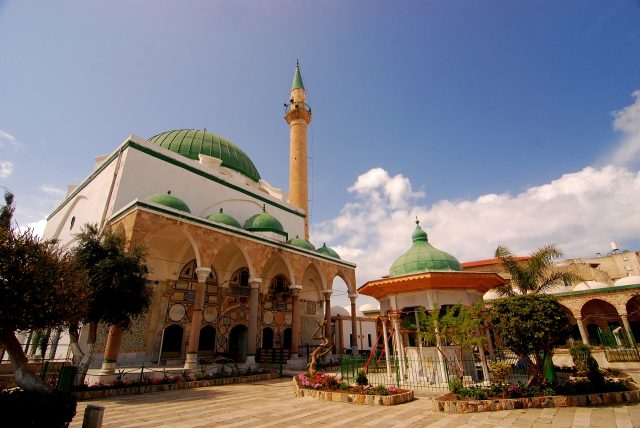
Acre itself is a city layered with history, where Crusader fortresses, Ottoman architecture, and Arab markets coexist. After visiting Bahjí, it’s worth exploring the old city, where narrow alleys lead to ancient bathhouses, a towering citadel, and waterfront cafés serving coffee brewed the traditional way. The contrast between the shrine’s serenity and Acre’s vibrant past makes the journey between them all the more striking.
What lingers after a visit to Bahjí isn’t the grandeur of the place but its quiet power. There’s no pressure to conform, no dogma to accept—just an invitation to pause, to breathe, and to consider something larger than oneself. That’s why people come here, whether they’re Bahá’ís or simply travelers in search of meaning. In a world that often feels fragmented, Bahjí offers a reminder that stillness can be its own kind of revelation.