Beneath the modern streets of Acre lies a hidden world, carved from stone nearly a thousand years ago. This is the Crusader Underground City, a labyrinth of chambers and passageways that once pulsed with life during one of the most turbulent periods in the region’s history. The city above has changed hands countless times—ruled by Arabs, Ottomans, and British—but below ground, the legacy of the Crusaders endures, preserved in the cool, dim silence of its tunnels.
Acre became the last stronghold of the Crusader Kingdom of Jerusalem after Saladin’s forces recaptured the holy city in 1187. For nearly a century, it flourished as a vital port and commercial hub, drawing merchants from across Europe, Byzantium, and the Islamic world. But the Crusaders didn’t just build upward; they dug deep, creating an entire subterranean complex that served as a fortress, a refuge, and a bustling center of daily life. Here, beneath the weight of the city above, they stored grain and wine, treated the wounded, and gathered in grand halls where the echoes of their voices still seem to linger.
The most striking feature of this underground world is its sheer scale. The chambers are connected by narrow, winding corridors, their walls smoothed by centuries of use. Massive columns support vaulted ceilings in what was once the knights’ refectory, where carved heraldic symbols of the military orders still adorn the stone. The soft limestone, easy to shape yet durable, allowed the Crusaders to hollow out entire rooms, some equipped with cisterns to collect rainwater, others lined with stone benches where soldiers once rested. In one chamber, the remains of a large oven hint at the meals prepared for hundreds of men. In another, the remnants of a hospital suggest the care given to the wounded after battle.
The fall of Acre in 1291 marked the end of Crusader rule in the Holy Land. As Mamluk forces breached the city’s defenses, the underground passages became a final sanctuary for the retreating knights. But even this refuge could not hold. The Crusaders abandoned the city, and over time, their subterranean world was forgotten, buried beneath layers of earth and the weight of later civilizations. It wasn’t until the 20th century, during archaeological excavations in Acre’s old port district, that the hidden city began to reemerge, its secrets slowly uncovered by historians and researchers.
Walking through these tunnels today is like stepping into a different era. The air is cool and still, the light dim, filtering through narrow openings that once served as ventilation shafts. The walls, worn smooth by time, bear the marks of tools used centuries ago. In some places, the stone is blackened by ancient fires; in others, faint traces of frescoes or inscriptions remain, though their meaning has long since faded. The sense of history here is palpable—not the grand, polished history of museums, but something raw and immediate, as if the past is still present in the very air.
What makes Acre’s underground city unique is its connection to everyday life. Unlike the castles perched on distant hills, these chambers were not just symbols of power but places of work and survival. Merchants stored their goods here, blacksmiths hammered out weapons, and monks tended to the sick. The Crusaders who lived and fought in these tunnels were not just warriors but also builders, traders, and healers, and their presence lingers in the practical details of the space—the grooves worn into the stone by countless footsteps, the soot from long-extinguished torches, the remnants of a life that was both ordinary and extraordinary.
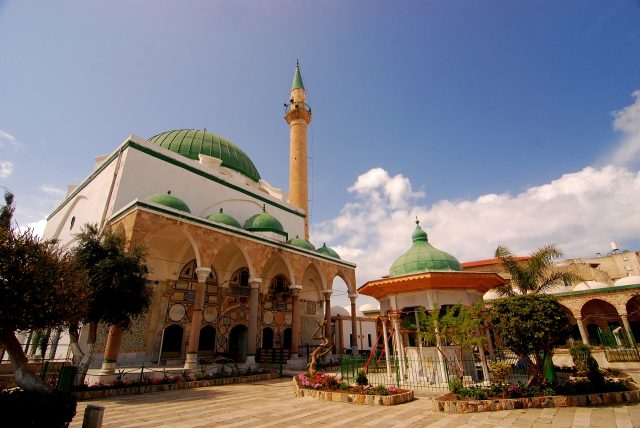
Acre itself is a city of layers, where mosques stand beside churches and the scent of spices from the souk mingles with the salt of the Mediterranean. The Crusader Underground City is another thread in this complex tapestry, a reminder that history is rarely simple. The Crusaders may have been driven out, but their legacy remains, etched into the very foundations of the city. Their story is not one of unbroken triumph or defeat but of adaptation, resilience, and the enduring human impulse to leave a mark on the world.
Visiting the underground city is an experience that engages all the senses. The coolness of the stone, the faint echo of footsteps, the play of light and shadow in the narrow passages—all of it creates a sense of stepping back in time. There is a quiet thrill in exploring these tunnels, knowing that each turn might reveal something new: a hidden chamber, a forgotten inscription, or the faint outline of a carving worn smooth by centuries. Archaeologists continue to uncover new sections of the underground complex, and it’s possible that more secrets still lie buried beneath the city’s streets.
Acre is a place where history isn’t confined to textbooks or glass display cases. It lives in the stones beneath your feet, in the stories whispered by the wind, in the silence that speaks louder than words. The Crusader Underground City is a testament to that living history—a place where the past isn’t just remembered but felt, where the weight of centuries presses in from all sides, and where every step is a connection to those who came before.