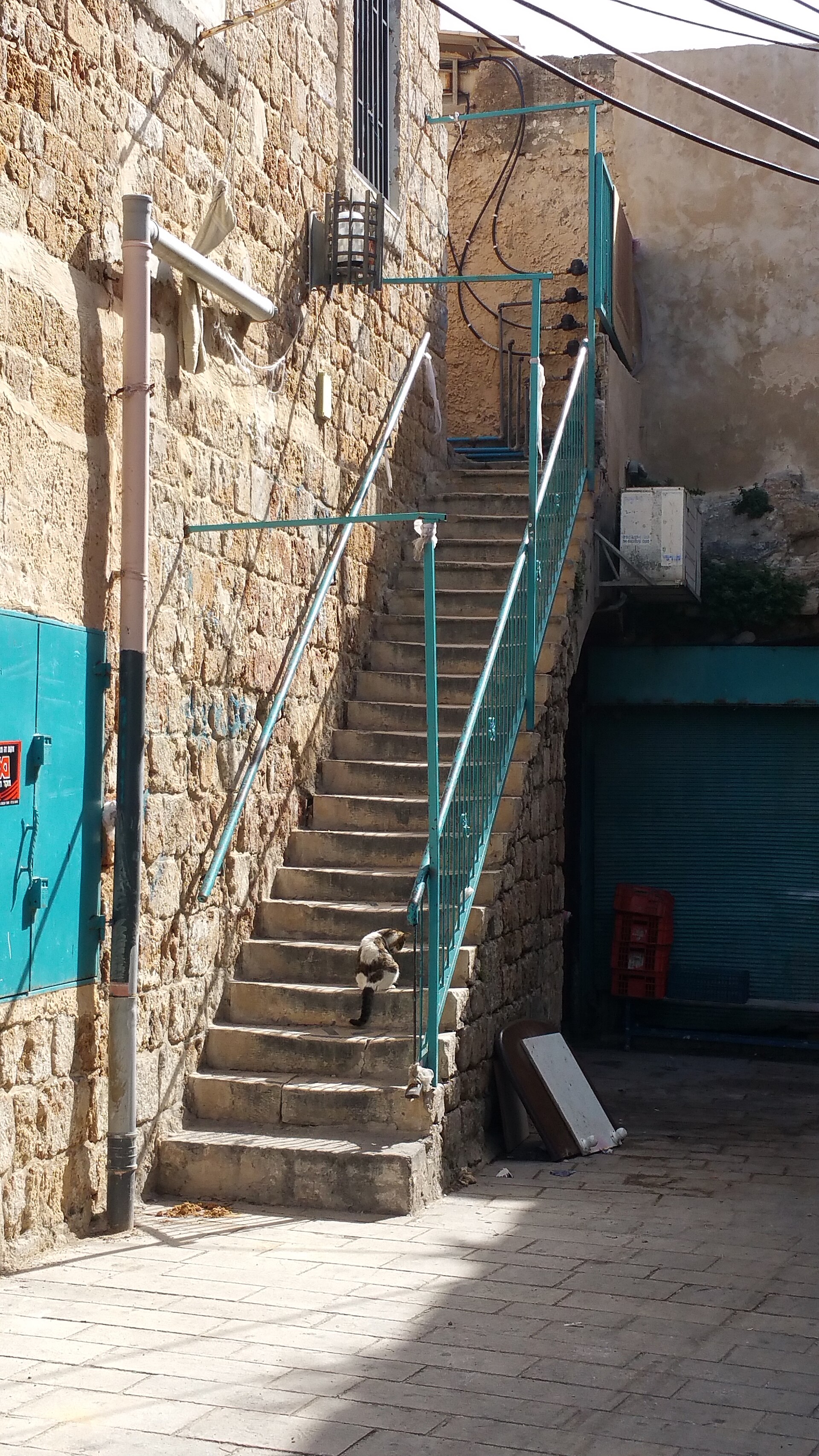
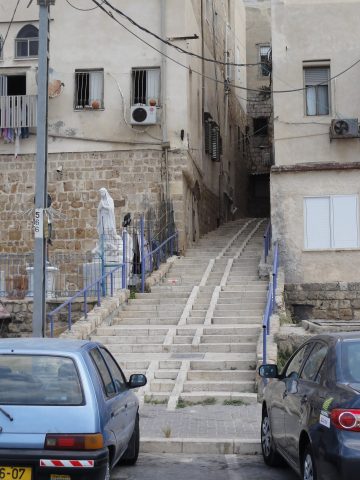
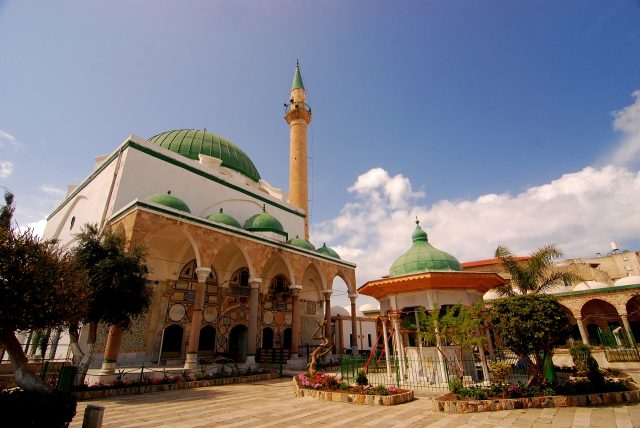
Acre’s old bazaar is one of those places where the past doesn’t just linger—it thrives. The moment you step onto its stone-paved alleys, the modern world feels distant. The market isn’t a polished tourist attraction but a living part of daily life, where trade has been passed down through generations like an heirloom. The air carries the scent of spices, the sound of bargaining in Arabic and Hebrew, and the clatter of coins exchanged for goods sold the same way for centuries.
The bazaar’s roots stretch back to the Ottoman era, when Acre was a Mediterranean port and a crossroads for merchants traveling between Damascus, Beirut, and India. Caravans unloaded wares here, diplomats and travelers mingled, and the city’s role as a gateway between East and West was visible. Today, many stalls are still run by families who have owned them for generations, selling spices, olive oil, Nablus soap, sweets, and handmade ceramics.
One stall offers za’atar, a blend of thyme, sesame, and sumac locals sprinkle on bread for breakfast. Another displays olives marinated in lemon, garlic, or chili. Nearby, a vendor pours fresh olive oil onto bread straight from the barrel—its aroma so rich you’ll leave with a bottle. The market isn’t just about buying; it’s about tasting and smelling the city’s culinary soul.
Beyond food, the bazaar preserves traditional crafts. A coppersmith hammers out pots and trays using century-old techniques. A weaver twists palm leaves into baskets. An elderly clockmaker repairs timepieces that seem to remember the Crusader era. These artisans aren’t just keeping old skills alive; they’re preserving a way of life that might otherwise disappear.
What makes Acre’s bazaar special is how it reflects the city’s layered identity. Muslims, Christians, and Jews have lived here side by side for centuries, and the market shows that coexistence in everyday life. A halal butcher stands next to a shop selling Easter bread. A stall with Jewish candles shares the alley with a spice merchant. Vendors switch between languages effortlessly, and even if you don’t understand the words, their interactions speak for themselves.
As evening falls, the bazaar changes. The shops close, but small cafés open, filling the air with coffee and cardamom tea. Locals gather to chat, play backgammon, or watch the sunset paint the old walls gold. It becomes a place for lingering conversations, for stories shared over tiny cups of Turkish coffee.
The bazaar offers a glimpse of Acre as it is—unfiltered and authentic. There are no staged performances, no attempts to cater to tourists. It’s rough around the edges, sometimes chaotic, but always genuine. You could spend hours wandering, sampling foods, and listening to the people who work here.
Acre doesn’t give up its secrets easily. The bazaar is one of the few places where you can catch a whisper of them if you slow down. It’s not just a market; it’s a living thing, constantly evolving yet stubbornly unchanged. Time moves differently here, and visitors soon fall into its rhythm, letting the city reveal itself at its own pace.