Acre is a city where history isn’t just remembered—it lingers in the air, woven into the stones beneath your feet. The fortress that overlooks the old port stands as one of its most enduring landmarks, a place where the layers of time feel almost tangible. It isn’t just a relic of the past; it’s a living testament to the civilizations that have shaped this corner of the Mediterranean, each leaving behind traces of their presence.
The origins of Acre’s fortress date back to the 12th century, when Crusader knights made the city a vital stronghold of the Kingdom of Jerusalem. More than just a military outpost, it served as a nerve center for trade, governance, and warfare. The underground halls that survive today were once part of a sprawling complex—warehouses, dungeons, and grand halls where knights gathered. The Templar tunnels, narrow and winding, lead toward the sea, offering a glimpse into how reinforcements or escape routes might have been used in times of siege. These passages, dark and cool, still carry the weight of their medieval purpose.
When the Crusaders fell, the fortress didn’t fade into obscurity. Under Ottoman rule, it was reinforced and expanded, its walls thickened to withstand new threats. The Ottomans added bathhouses, mosques, and palatial residences, repurposing the underground chambers as prisons. One of the most famous inmates was Bahá’u’lláh, the founder of the Bahá’í Faith, whose imprisonment here later turned Acre into a site of pilgrimage for his followers. The fortress, in its Ottoman incarnation, became a symbol of imperial power, its presence dominating the city’s skyline.
Today, the fortress functions as an open-air museum, inviting visitors to walk the same paths as medieval knights or descend into the damp, echoing dungeons. The ramparts offer sweeping views of the old port and the Mediterranean, a reminder of how strategic this location once was. Exhibits inside display artifacts from different eras—Crusader weaponry, Ottoman ceramics, and even graffiti left by prisoners over the centuries. The fortress isn’t just a static display; it’s a place where history feels immediate, where the past isn’t confined to plaques or glass cases.
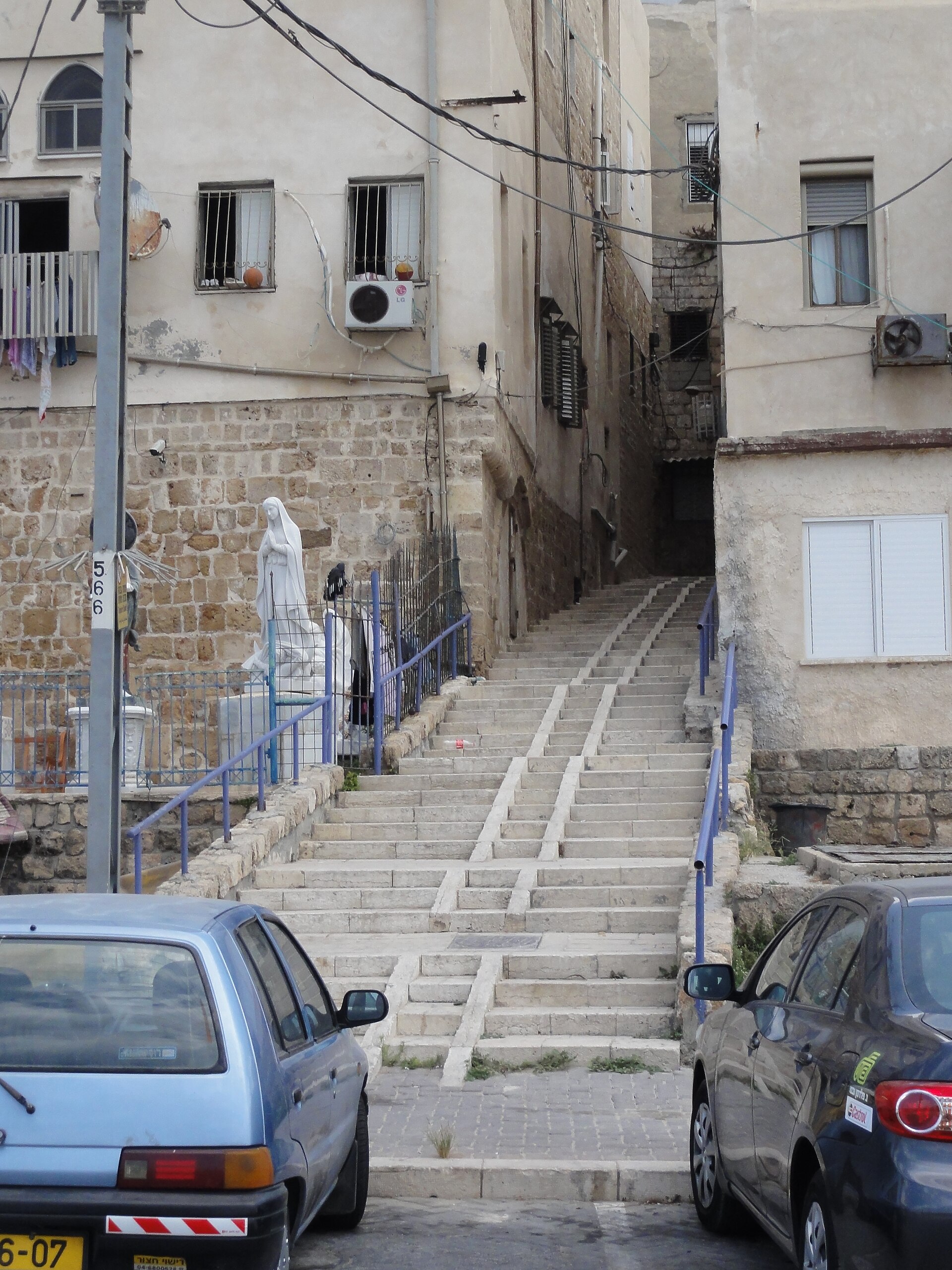
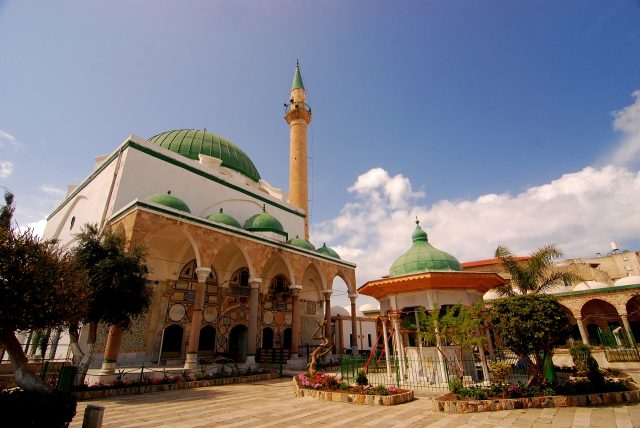
Yet the fortress isn’t frozen in time. It remains a part of Acre’s daily life, a backdrop for festivals, concerts, and evening strolls. Locals come here to escape the bustle of the city, while tourists wander its walls, trying to imagine the lives that unfolded within them. The surrounding old city, with its labyrinthine alleys, bustling markets, and seaside cafés, adds another layer to the experience. Acre itself is a study in contrasts—ancient mosques stand near synagogues, Arab neighborhoods blend into Jewish ones, and the hum of modern life mingles with the quiet of historic courtyards.
What makes the fortress particularly compelling is how it embodies these contradictions. It’s a place where multiple histories overlap, where every stone tells not one story but many. The Crusaders, the Ottomans, the British—each left their mark, and the fortress absorbs them all, refusing to be defined by any single era. Visiting it isn’t just about seeing a monument; it’s about sensing the weight of the past pressing against the present.
Early mornings here are especially atmospheric. As the sun rises, it casts a golden glow over the weathered walls, softening the edges of time. The fortress feels almost suspended in that moment, as if the centuries have momentarily paused. By evening, when the lights come on, it transforms into something almost magical, its silhouette looming over the city like a guardian of forgotten stories.
Acre is a place where the past isn’t just preserved—it’s alive. The fortress, with its crumbling walls and hidden passages, is a reminder that history isn’t a straight line but a web of connections, each thread leading to another. It doesn’t just stand as a relic; it endures, a silent witness to the ebb and flow of empires, faiths, and people. To walk through it is to step into a story that’s still being written.