Rhodes University in Grahamstown is one of those places where the past and present share the same space without conflict. Founded in 1904, it carries the name of Cecil Rhodes, a figure whose legacy reflects South Africa’s layered history. The university has moved beyond its origins, becoming a center of intellectual life in the Eastern Cape. Students come here for more than an education—they come for an experience tied to the region’s identity.
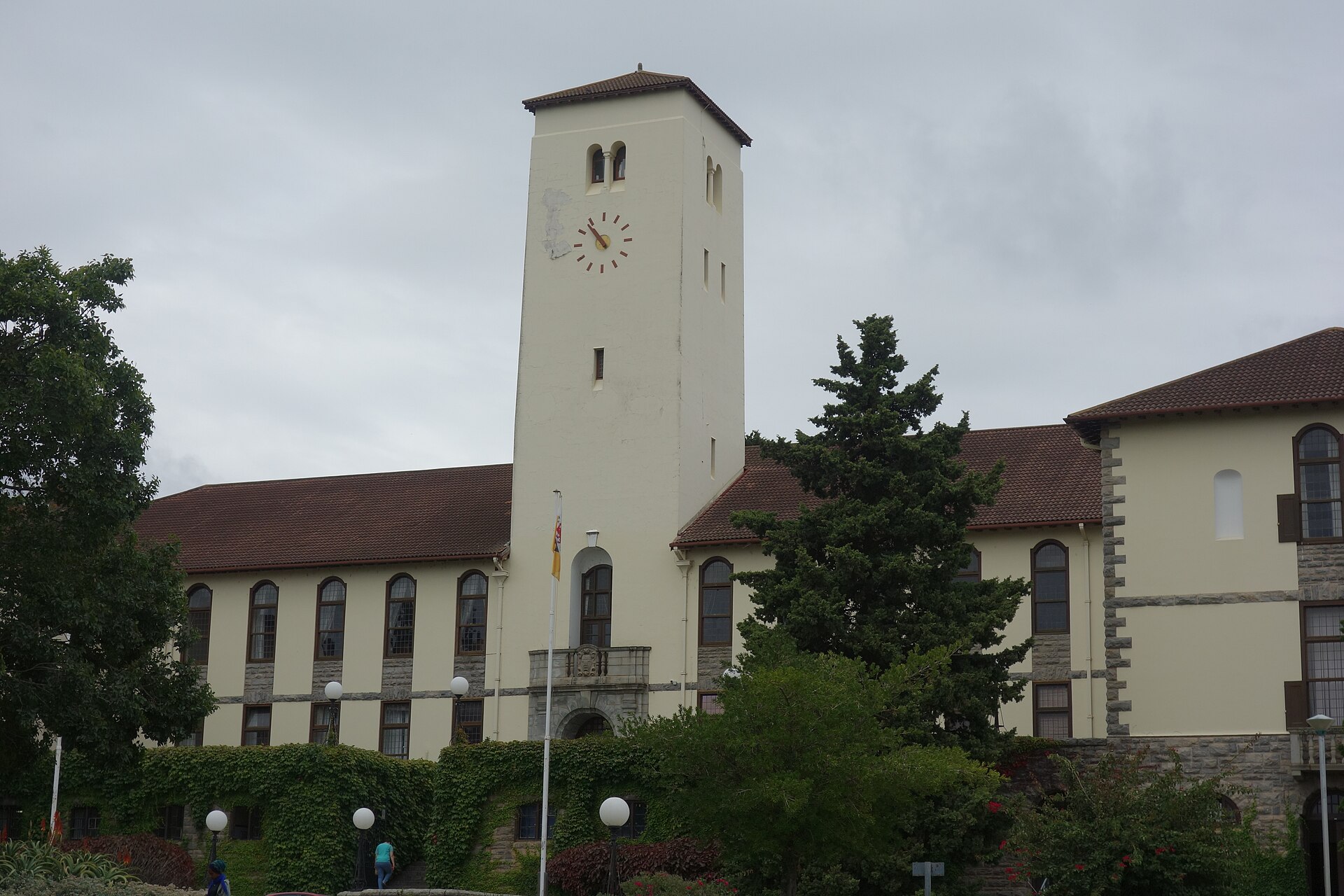
The architecture tells its own story. The main building, with pointed towers and stained-glass windows, resembles an Oxford or Cambridge college set in the South African landscape. Red brick, arched windows, and manicured lawns evoke a specific academic ideal. But the campus isn’t stuck in time. Newer buildings stand alongside the old, preserving a sense of connection. The library, with its vaulted ceilings, holds rare books and archives documenting South Africa’s history. Walking through the grounds, you might forget you’re in the Eastern Cape—the atmosphere feels like a quiet retreat for study, where tradition feels natural, not forced.
Grahamstown is an unusual town.
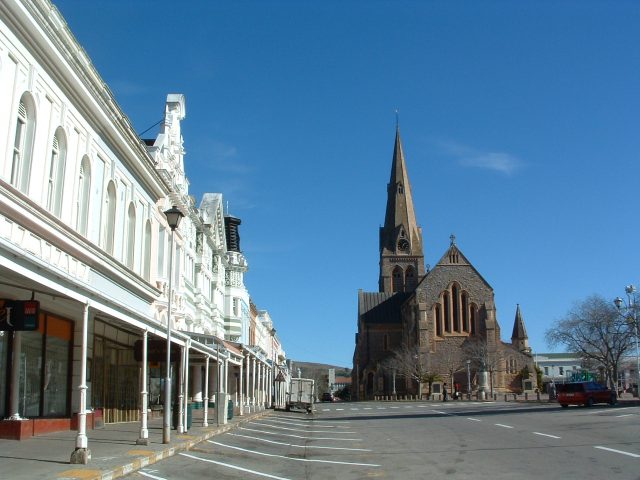
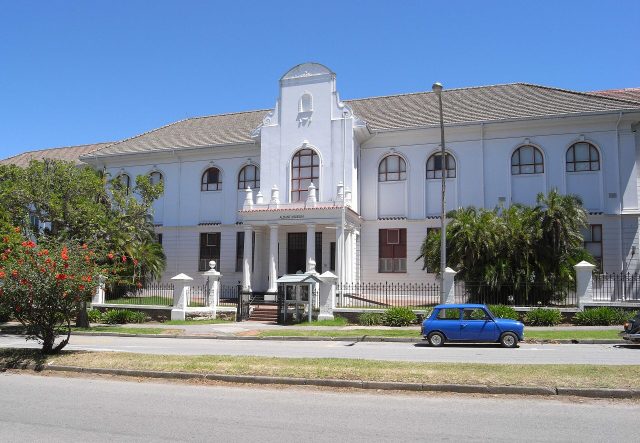
Established in the early 19th century as a military outpost, it was once a stronghold of British influence. Today, it’s home to around seventy thousand people, where life moves at its own pace. The streets still show traces of colonial times—wide verandas, old stone buildings. Rhodes University isn’t just the town’s largest employer; it’s its cultural core. Festivals, lectures, and exhibitions draw crowds from both the student body and the local community. There’s no rush here. Instead, there’s a sense of shared curiosity, of a place where ideas matter.
Academically, Rhodes is known as one of South Africa’s leading universities, especially in journalism, law, and the humanities. What makes it different isn’t just the quality of its programs—it’s the approach to teaching. The focus is on critical thinking, on questioning rather than accepting, on engaging with the world. Students often take part in research addressing real issues—environmental challenges, social inequality, cultural preservation. The university doesn’t just teach; it prepares people to act.
Life on campus has its own rhythm. Many students live in historic residences where wooden staircases creak and fireplaces crackle in the evenings. These spaces encourage community, where debates over politics or philosophy spill into late-night conversations. On weekends, the landscape around Grahamstown calls. The town sits among rolling hills and valleys, where wild animals roam and the air carries the scent of eucalyptus and fynbos. For those who prefer the outdoors, there are hiking trails, cycling routes, and occasional snowfall in the nearby mountains.
The campus isn’t closed off. Visitors can walk its paths, look into lecture halls, or browse the library’s stacks. In summer, magnolias bloom, and students sit on the lawns with books or picnics. Winter brings a quieter beauty—bare trees, crisp air, the campus wrapped in stillness, broken only by footsteps hurrying to class. Time here doesn’t feel slow, but deliberate.
Grahamstown and Rhodes University shape each other. The town’s colonial past is visible in its architecture and street names, while the university brings youthful energy. Together, they create a place where history isn’t just preserved but lived. For some, this is just a university town. For others, it’s a second home. For a few, it’s proof that the most interesting places are where different worlds—old and new, local and global, academic and everyday—meet.
What makes Rhodes special isn’t just its buildings or reputation. It’s the feeling of continuity, of something lasting. The students walking these paths today are part of a tradition over a century old, yet they’re also shaping what comes next. You can sit under an old oak tree and feel history’s weight, or join a debate in a crowded lecture hall and sense the future’s pulse. In a country as complex as South Africa, Rhodes offers something rare: a space where the past isn’t erased, but where it’s possible to imagine what comes next.