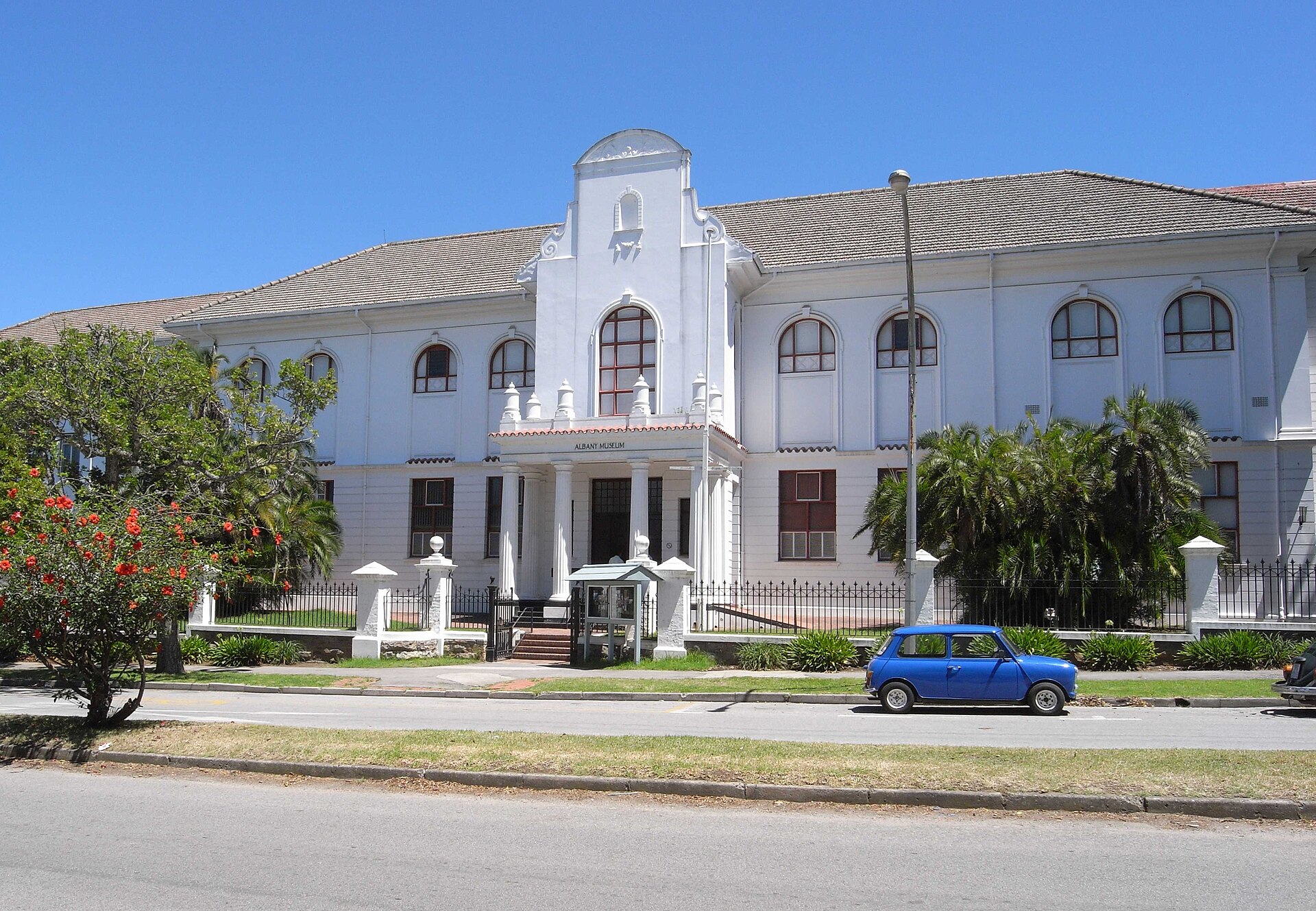
Grahamstown’s Albany Museum is one of those rare places where history feels alive—not because of dramatic reenactments or flashy displays, but because the building itself seems to breathe with the stories of those who walked its halls long before visitors arrived. Founded in 1855, it holds the distinction of being the oldest provincial museum in South Africa, a quiet witness to the shifting tides of time in the Eastern Cape.
The museum occupies what was once the town’s library, a mid-19th-century structure that still carries the marks of its past. The high ceilings and large windows let in soft, diffused light, while the heavy wooden doors creak with the weight of decades. Inside, the original display cases stand as they have for generations, their glass slightly fogged, their handwritten labels faded but still legible. The building has seen transformations—lecture halls, laboratories, storage rooms—each layer adding to its character. It’s not a pristine, polished space; it’s a place where the past lingers in the details.
The collections here span natural history, anthropology, and the region’s colonial and indigenous heritage. One of the most striking sections is devoted to paleontology, where fossils of ancient reptiles and early mammals tell the story of a land that existed long before humans. These remains, unearthed in the Eastern Cape, offer a glimpse into a prehistoric world that shaped the landscapes we see today.
Nearby, the exhibits on the flora and fauna of the Karoo serve as a sobering reminder of how quickly ecosystems can change. Stuffed specimens of animals like the Cape lion and the quagga—both now extinct—stand alongside those of endangered species, their presence a quiet testament to the impact of human activity. The displays don’t shy away from the harsh realities of environmental loss, but they also celebrate the resilience of the region’s wildlife.
The museum’s cultural collections are equally compelling. Here, you’ll find artifacts from the Xhosa, Zulu, and San peoples—beadwork, pottery, weapons, and ritual masks—each piece a fragment of traditions passed down through generations. The exhibits don’t romanticize these cultures; instead, they present them as living, evolving histories. Alongside these are colonial-era items: maps, firearms from the Anglo-Zulu wars, and personal belongings of early British settlers. The museum doesn’t glorify this period but acknowledges its complexity, offering a nuanced look at how different worlds collided and coexisted.
What makes the Albany Museum special is its role in the present as much as its connection to the past. It’s not a static repository of relics but an active part of the community. The staff regularly host lectures, workshops, and temporary exhibitions on topics ranging from ecology to anthropology. School groups visit for hands-on sessions—identifying fossils, learning traditional weaving techniques, or discussing the ethical questions raised by historical artifacts. The museum also supports ongoing research, with curators participating in field expeditions to uncover new finds.
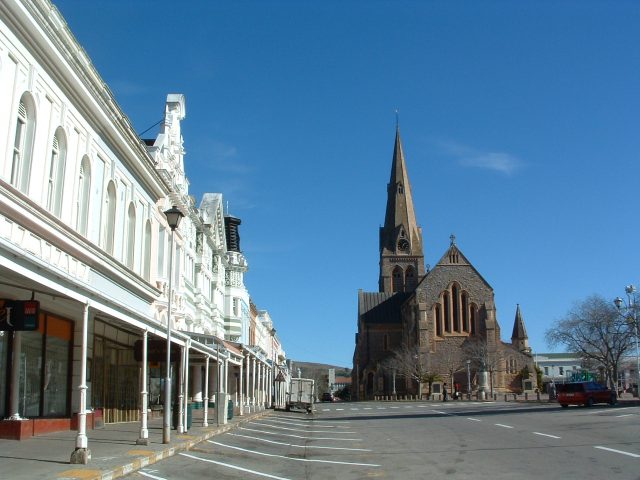
Grahamstown itself is a town that moves at its own pace, a place where the past is never far from the surface. The streets around the museum are lined with Georgian and Victorian buildings, their facades weathered but well-preserved. Cafés serve rooibos tea, a local staple, while small shops sell handmade crafts. A short walk from the museum leads to St. Michael and All Angels Cathedral, built in 1824, its spire a landmark in the town’s skyline. High Street, with its historic buildings, offers a glimpse into Grahamstown’s early days as a British settlement.
A visit to the Albany Museum can be as brief or as immersive as you like. There’s no pressure to rush, no grand narrative forcing you to see things a certain way. Instead, the museum invites you to wander, to linger over the details, and to let the objects speak for themselves. For some, it’s a chance to marvel at the bones of creatures that roamed the earth millions of years ago. For others, it’s an opportunity to reflect on the lives of the people who shaped this region—their struggles, their crafts, their stories. And for a few, it’s simply a quiet place to step away from the noise of the modern world, if only for a little while.