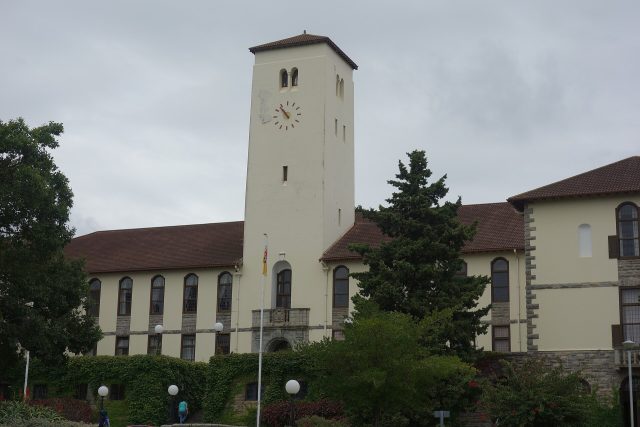
Perched on a hill overlooking Grahamstown, Fort Selwyn feels like a quiet guardian of the past. Built in the mid-19th century, its weathered stone walls and empty courtyards carry the weight of history without the fanfare of more famous landmarks. There are no grand battles to recount here, no legendary sieges—just the steady presence of a place that once mattered, and still does in its own understated way.
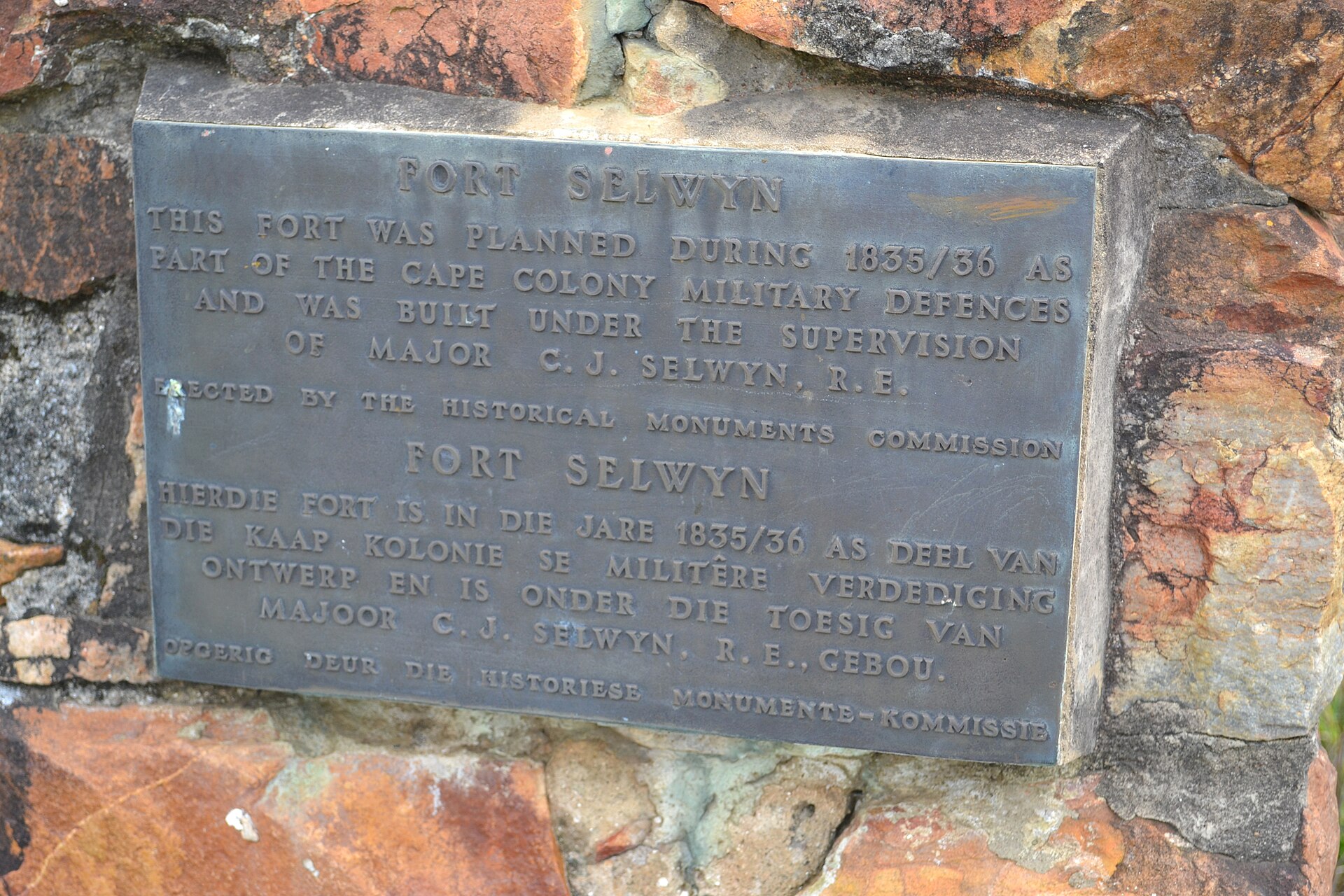
The fort’s construction began in 1836, a time when British colonial authorities were tightening their grip on the Eastern Cape. Named after Bishop George Selwyn, a prominent figure in the Anglican Church of the Cape Colony, it was meant to secure Grahamstown, then a key frontier outpost. The town sat on the edge of contested lands, where tensions between settlers and the Xhosa people simmered for decades. Fort Selwyn never saw heavy combat, but it served as a refuge during skirmishes, a place where soldiers and townsfolk could retreat when the frontier felt less like a border and more like a fault line.
The architecture is unadorned, built for purpose rather than beauty. Thick stone walls, roughly a meter thick, were meant to last, and they have. Inside, the remains of barracks and storerooms hint at the daily lives of the garrison—men who spent their days watching the horizon, waiting for threats that never fully materialized. The central tower, still standing, offers a sweeping view of the town and the rolling hills beyond. From up here, it’s easy to see why this spot was chosen. Every approach to Grahamstown is visible, the landscape unfolding like a map of old conflicts and uneasy peace.
By the late 19th century, the fort’s military role had faded. It became a prison for a time, then a police station, before eventually being left to the elements. Today, there are no guards, no prisoners, just the wind moving through the empty spaces where soldiers once stood. Locals sometimes come here to escape the town’s bustle, spreading out picnics on the grass or sitting on the low walls, letting the quiet settle around them. Tourists wander in occasionally, drawn by the promise of history, though there’s little to guide them beyond the place itself.
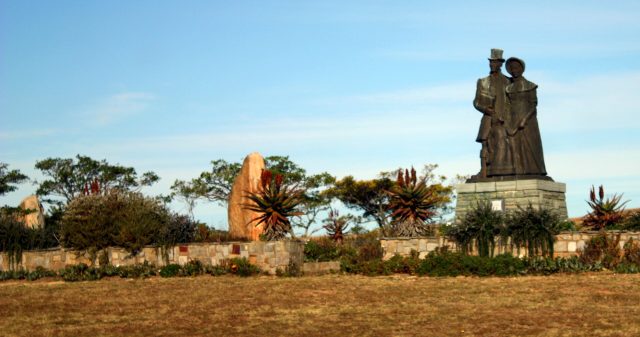
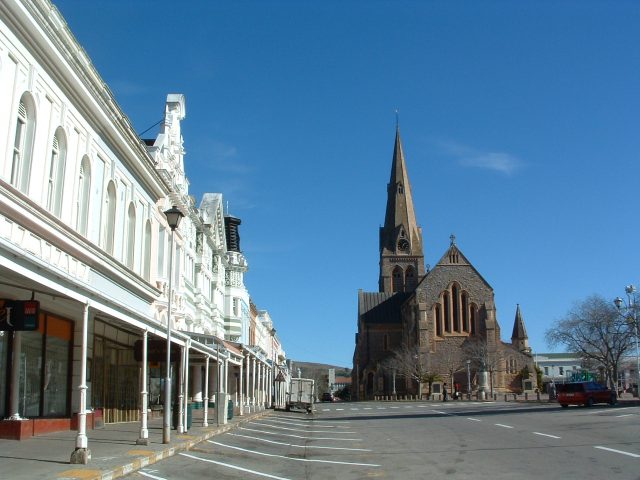
Grahamstown has always been a town of layers, and Fort Selwyn is just one of them. It’s not a place that demands attention like the great fortresses of the Cape or the battlefields of KwaZulu-Natal. That’s part of its charm. There are no crowds, no souvenir stalls, no scripted tours. You can walk through the arched gate, find a spot on the old stone steps, and listen to the trees rustling in the breeze. It’s easy to imagine the past here—the clatter of boots on cobblestones, the distant crack of gunfire, the slow unraveling of colonial ambitions.
Over the years, the fort has been carefully restored, not to make it pristine, but to keep it from crumbling entirely. A few informational plaques dot the grounds, offering just enough context without overwhelming the space. For those curious about South Africa’s colonial history, it’s a rare chance to see it without the gloss of nostalgia or the weight of grand narratives. The fort doesn’t romanticize the past; it simply holds it, letting visitors piece together the story for themselves.
It’s not a museum, at least not in the traditional sense. There are no exhibits, no guided tours, no carefully curated displays. Sometimes, small events are held here—historical reenactments, photography sessions—but mostly, it’s a place that exists on its own terms. A place where time moves differently. If you find yourself in Grahamstown, it’s worth the climb up the hill. An hour here feels like stepping outside the rush of the present, the town below suddenly smaller, the past a little closer.
Fort Selwyn won’t impress you with its size or grandeur. It’s not a castle, not a palace, not a monument to power. It’s something quieter—a reminder that history isn’t just made in the big moments, but in the everyday decisions, the forgotten outposts, the places that endure long after their purpose has faded. The stones are still here. The wind still blows. And if you listen closely, you might hear the echoes of the people who once stood where you’re standing now.